
Beautiful Plants For Your Interior
Beautiful Plants For Your Interior
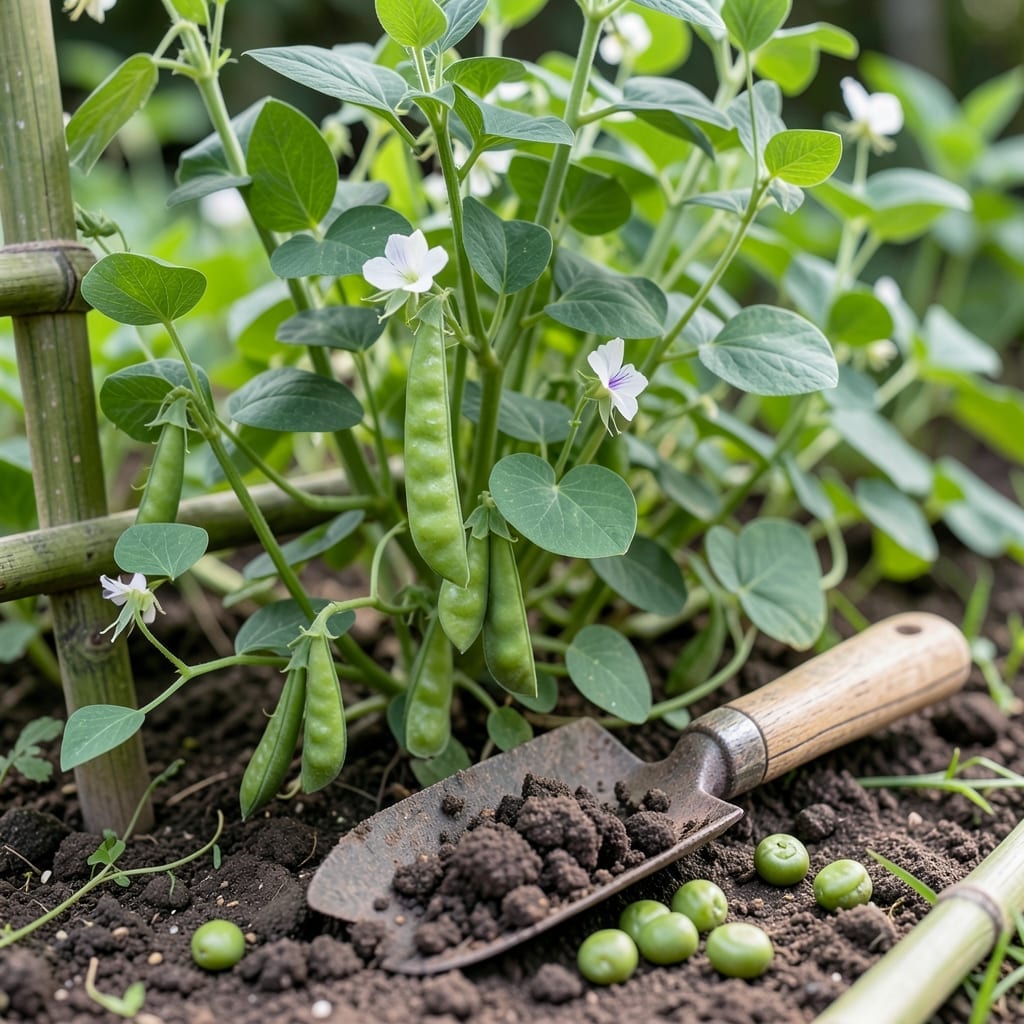
Planting Garden Peas 🌱 at the right time can mean the difference between a lackluster harvest and a bountiful crop of sweet, tender pods. As a cool-season favorite, these plants thrive when the timing is just right.
I’ve learned that getting the timing wrong can leave you with stunted plants or missed opportunities. Whether you’re planting in early spring or considering a fall crop, understanding your local climate is the key to success.
Discover how to align your planting schedule with nature’s rhythm for the best results. Let’s explore what makes these plants flourish in your garden.
Timing your garden pea planting perfectly means understanding your local climate. These cool-season crops thrive in temperatures between 40-75°F, making them ideal for early spring and fall planting in most regions.
I always check my USDA hardiness zone first. In zones 3-5, peas can go in as soon as the soil is workable in early spring, often 4-6 weeks before the last frost date.
| USDA Zone | Spring Planting | Fall Planting |
|---|---|---|
| Zones 3-4 | April-May | July-August |
| Zones 5-6 | March-April | August-September |
| Zones 7-8 | February-March | September-October |
| Zones 9-10 | October-November | January-February |
For zone 6 gardeners like me, February to April planting works best for spring crops. The soil temperature needs to reach at least 40°F for germination, which usually happens about a month before our last frost date.
In warmer zones 7-8, you can start even earlier. I’ve seen success with February plantings that take advantage of the cooler spring temperatures before summer heat sets in.
Don’t forget about fall planting opportunities. In zones 5-6, sowing peas in late summer gives you a second harvest before winter. The key is counting backward from your first frost date.
For zone 9-10 gardeners, peas are actually a winter crop. Plant in October or November for harvests in early spring, as these areas have mild winters perfect for pea growth.
Remember that soil temperature is more important than air temperature. I use a soil thermometer to check conditions at 2-inch depth before planting. If it’s below 40°F, I wait or use row covers.
In my experience, succession planting works well with peas. I plant a new batch every 2-3 weeks during the optimal window to extend my harvest season.
Always consider your local microclimate. Urban areas, south-facing slopes, or gardens near buildings may warm up faster, allowing for earlier planting than the general zone recommendations.
With proper timing, you’ll enjoy sweet, tender peas all season long 🌱
For garden peas to thrive, soil temperature is more critical than you might think. These cool-season plants germinate best when the soil is between 40-75°F, with 60-70°F being ideal for rapid sprouting.
I always check my soil temperature at a 2-inch depth before planting. If it’s below 40°F, the seeds may rot or fail to sprout. In my experience, using a simple soil thermometer takes the guesswork out of timing.
40°F minimum for germination, 60-70°F optimal for fastest growth. Use black plastic mulch to warm soil in early spring or shade cloth to cool it in late summer for fall plantings.
If your soil is too cold, try warming it up with black plastic mulch or cold frames. I’ve had success planting 2 weeks earlier using these methods in my zone 6 garden.
Conversely, in warm climates, you might need to cool the soil for fall planting. I use shade cloth or plant in partial shade to keep temperatures in the ideal range during late summer.
Remember that peas are sensitive to high temperatures. Once soil temps exceed 80°F, germination rates drop significantly, and existing plants may stop producing pods.
For the most accurate reading, I recommend taking soil temperature measurements in the early morning and late afternoon, then averaging the results. This gives you the best picture of your soil’s true condition.
With the right soil temperature, you’ll see faster germination and healthier plants 🌱