
Beautiful Plants For Your Interior
Beautiful Plants For Your Interior
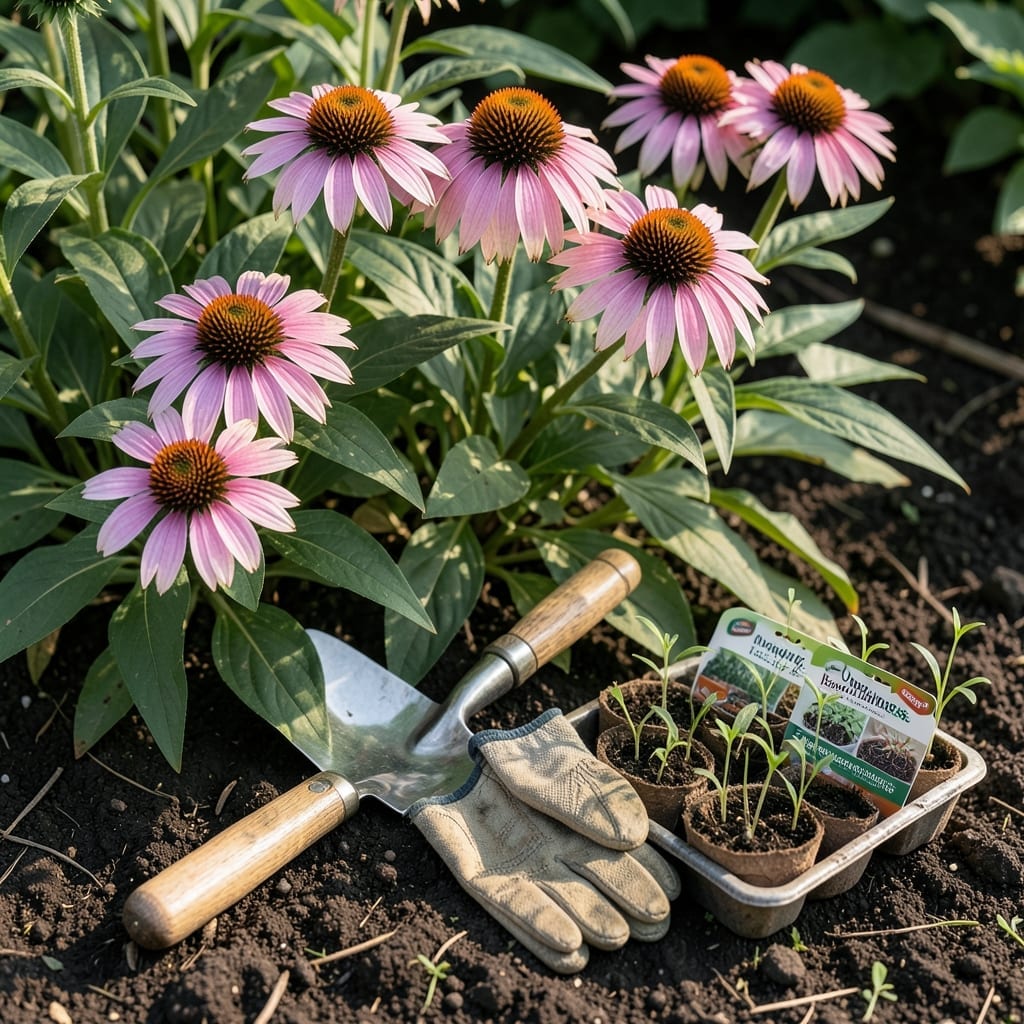
Timing is everything when planting 🌸 Flowers in Zone 6, where the growing season stretches from mid-April to late October. Get it right, and you’ll enjoy blooms from spring through frost.
Get it wrong, and your garden might struggle to take root. The difference between a thriving garden and a disappointing one often comes down to just a few weeks.
I’ve learned that understanding your local frost dates is the game-changer. These simple guidelines will help you plant with confidence.
Discover the best windows for spring and fall planting, and watch your garden flourish like never before.
In Zone 6, your planting calendar revolves around two key dates: the last frost (around April 15) and the first frost (near October 15). These bookends define your 180-day growing season. 🌱
I always mark these dates on my calendar because they’re non-negotiable for tender plants. The soil temperature is your best guide—aim for 60°F for most flowers. A simple soil thermometer takes the guesswork out of timing.
| Season | Plant Type | Timing | Notes |
|---|---|---|---|
| Spring | Annuals | After last frost | Petunias, marigolds thrive |
| Spring | Perennials | Early spring | Coneflowers, daylilies |
| Spring | Bulbs | Fall prior | Tulips, daffodils bloom |
| Fall | Perennials | 6 weeks before frost | Establish roots before winter |
| Fall | Spring Bulbs | After soil cools | Plant 6 inches deep |
For spring planting, I start hardy annuals like pansies as early as late March. But I wait until mid-May for heat-lovers like zinnias. The soil must be workable—squeeze a handful, and if it crumbles, you’re good to go. 🌿
Perennials are more forgiving. I plant them in early spring or early fall. The fall window is ideal because the cooler temps reduce stress while roots establish before winter dormancy.
Bulbs require the most planning. Spring-blooming bulbs like tulips go in the ground in October, while summer bulbs like dahlias are planted after the last frost. I always add a 2-inch mulch layer to protect them from temperature swings.
Don’t overlook soil preparation. I work in 2-3 inches of compost before planting. This improves drainage and provides nutrients. For heavy clay soil common in Zone 6, I mix in coarse sand to loosen the structure. ☀️
Watering is critical right after planting. I give new plants a deep soak—about 1 inch of water—to settle the soil. Then I maintain consistent moisture for the first two weeks, especially if rainfall is scarce.
For fall planting, timing is everything. I aim to get perennials in the ground at least 6 weeks before the first frost. This gives them enough time to establish roots. I also avoid fertilizing late in the season, as it can encourage tender new growth that won’t survive winter.
Remember, these are guidelines, not rules. Microclimates in your yard can affect timing. A south-facing wall might be a few degrees warmer, allowing for earlier planting. I always keep a garden journal to track what works best in my specific conditions.
In Zone 6, you can achieve continuous blooms by selecting the right flowers for each season. I’ve found that mixing annuals and perennials gives the best results for color that lasts from spring to frost.
For early spring, try crocus or daffodils—they’re hardy and pop up right after winter. Summer staples like zinnias and marigolds thrive in the heat, while mums and asters bring fall color.
Don’t overlook biennials like foxglove or hollyhock. They take a year to establish but reward you with stunning blooms the following season.
For shady spots, impatiens and hostas add color where sun-loving plants won’t grow. I always include a mix of heights and textures for visual interest.
Pro tip: Plant bulbs in clusters for a natural look, and deadhead annuals regularly to encourage more blooms. Your garden will thank you with vibrant color all season long.
With the right selection, your Zone 6 garden can be a year-round showcase of color and life 🌸