
Beautiful Plants For Your Interior
Beautiful Plants For Your Interior
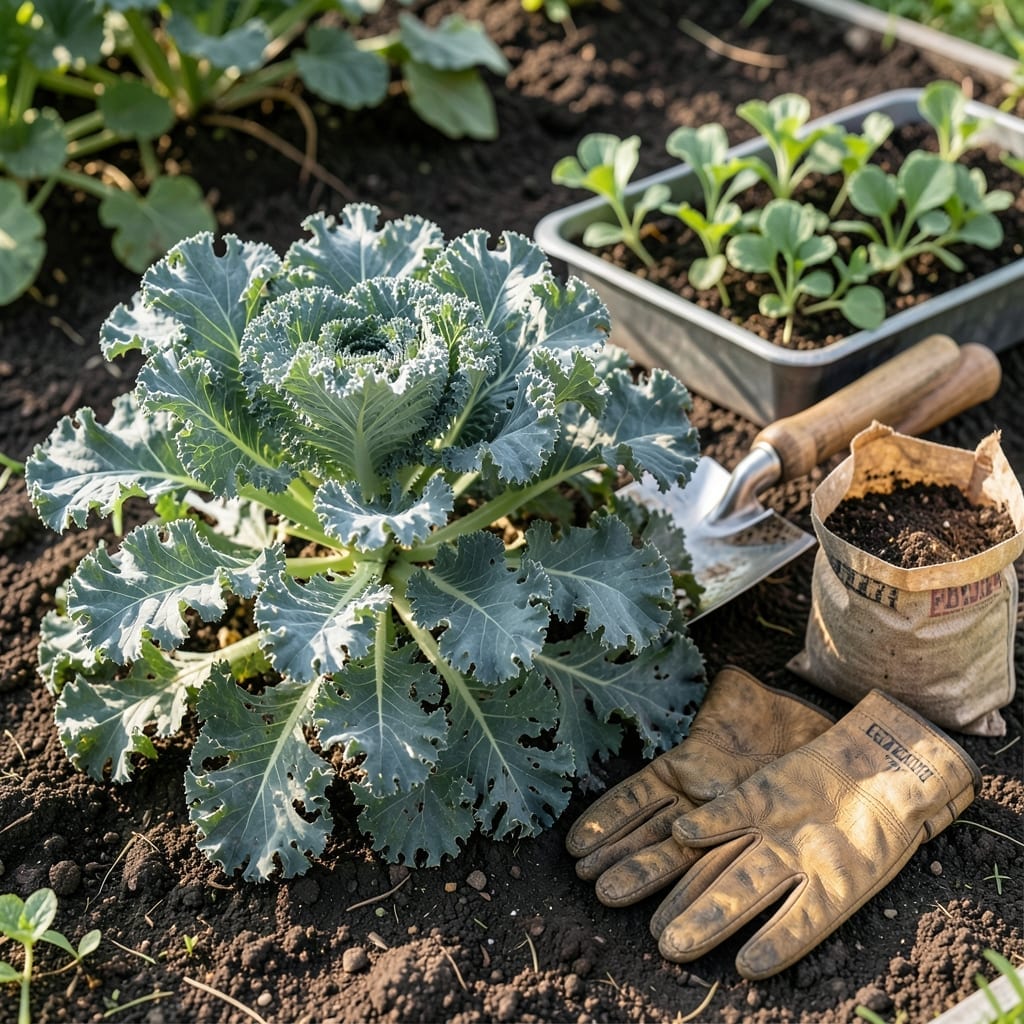
Timing is everything when you’re planting Fall Vegetables in Zone 5. That first frost can sneak up as early as mid-October, catching unprepared gardeners off guard.
I’ve learned the hard way that a well-planned calendar makes all the difference. Your kale, carrots, and other favorites need enough time to mature before winter arrives.
With the right schedule, you can enjoy a bountiful harvest from September through November. The 🥬 Fall Vegetables we love thrive when planted at the perfect moment.
Discover how to time your planting for maximum success. These simple strategies will help you beat the frost and fill your table with fresh produce.
In Zone 5, the first frost typically hits around October 15, so timing your fall planting is crucial. I always count backward from that date to ensure my crops mature before the cold sets in. Quick-growing varieties are your best friends here.
For most fall vegetables, aim to plant 6-8 weeks before the first frost. This gives them enough time to grow and produce a harvest before winter arrives. Some hardy greens can even tolerate light frosts, extending your growing season.
| Vegetable | Planting Window | Days to Maturity | Frost Tolerance |
|---|---|---|---|
| Kale | Mid-July to early August | 30-60 | High |
| Spinach | Early to mid-August | 40-50 | Moderate |
| Radishes | Late August | 25-30 | Low |
| Carrots | Mid-July | 60-80 | Moderate |
| Beets | Mid-July to early August | 50-60 | Moderate |
| Lettuce | Early August | 30-50 | Low |
| Peas | Late July | 60-70 | Moderate |
| Broccoli | Mid-July | 60-80 | High |
| Cabbage | Mid-July | 70-90 | High |
| Turnips | Late July to early August | 50-60 | High |
I always start my kale and spinach in mid-July because they handle cold well. These greens can even sweeten after a light frost, making them perfect for extending your harvest into late fall.
For radishes and lettuce, I plant them in late August. They mature quickly, so they’re ideal for squeezing in a harvest before the first frost. Just be sure to water them consistently to avoid bitterness.
Root crops like carrots and beets need a bit more time. I plant them in mid-July to give them enough days to mature. If the soil is too hard, I loosen it first to help the roots grow straight.
Don’t forget about broccoli and cabbage. These take longer but are worth the wait. Plant them in mid-July and use row covers if an early frost threatens. They’ll reward you with a hearty harvest.
If you’re new to fall gardening, start with radishes or spinach. They’re forgiving and quick, giving you confidence to try more challenging crops next season.
Remember, soil temperature matters too. In Zone 5, the soil stays warm enough through August for most fall crops. Use a soil thermometer to check if you’re unsure.
Finally, keep an eye on the weather forecast. If an early frost is predicted, cover your plants with frost blankets or old sheets to protect them and buy a little extra time.
With the right timing and care, your fall garden in Zone 5 can be just as productive as your summer one 🌱
In Zone 5, the race against first frost means every extra day counts. I’ve found that row covers and cold frames can buy precious weeks for tender crops like spinach and lettuce. Even a light fabric can shield plants from 28°F temps.
Another trick is choosing frost-tolerant varieties like kale or Brussels sprouts. These hardy greens actually taste sweeter after a light frost, making them perfect for Zone 5’s late-season garden.
Don’t overlook succession planting. I sow radishes every 2 weeks until early September. This ensures a steady supply rather than one big harvest that might get hit by frost.
For root vegetables like carrots and beets, I leave them in the ground as long as possible. A thick layer of straw mulch keeps the soil from freezing, letting me pull them fresh through November.
Finally, monitor weather forecasts closely. A sudden hard frost can wipe out unprotected crops. I keep frost blankets on hand and cover plants the night before a cold snap is predicted.
With these strategies, I’ve stretched my fall harvest well into December some years. It’s amazing how much more you can grow with just a little extra protection and planning. 🌱