
Beautiful Plants For Your Interior
Beautiful Plants For Your Interior
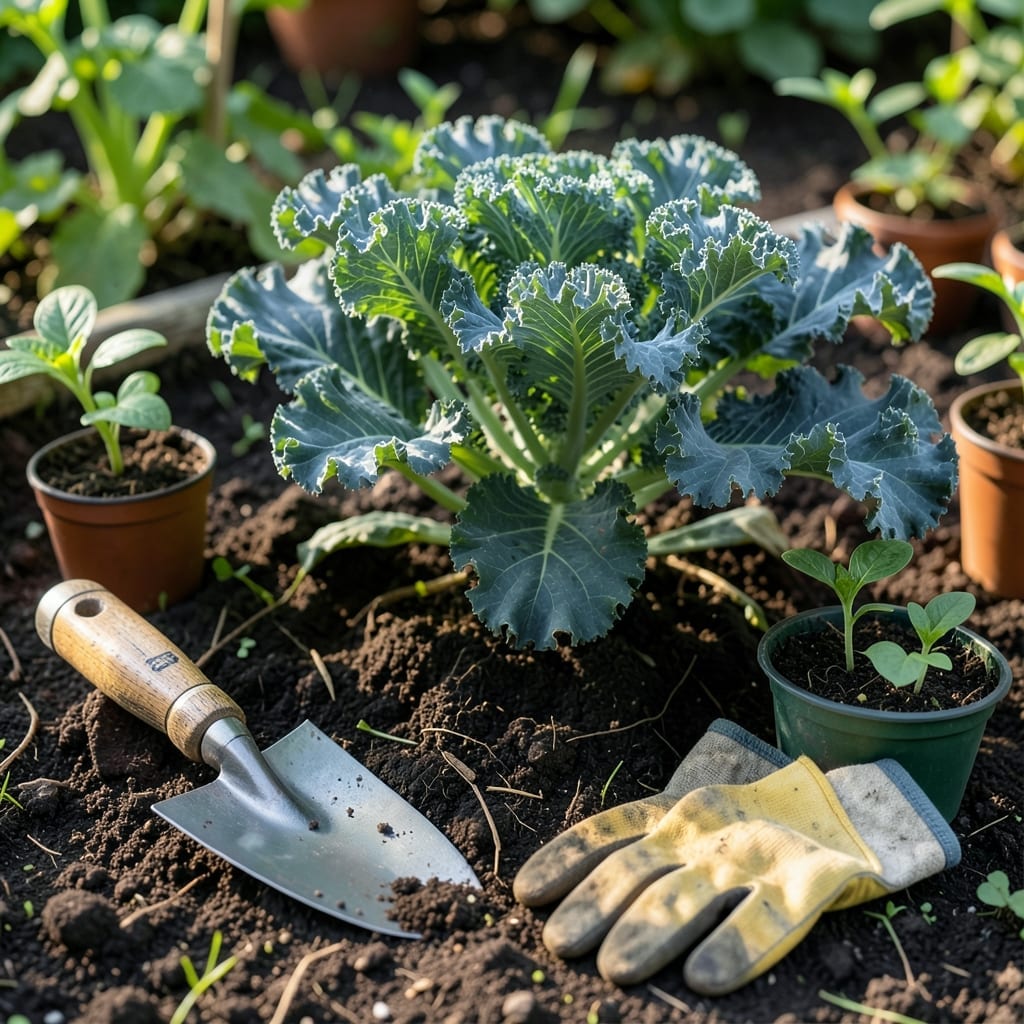
Timing is everything when planting Fall Vegetables 🥕 in Ohio, where cooler temperatures and shorter days can make or break your harvest.
Discover the perfect planting windows for your zone to enjoy fresh produce well into autumn. Ohio’s 6a climate offers unique opportunities for gardeners.
I’ll show you exactly when to start seeds and transplant seedlings for a bountiful fall garden. These timing tips will help you maximize your growing season.
Let’s explore how to work with Ohio’s frost dates and seasonal changes to get the most from your Fall Vegetables.
Ohio spans USDA Zones 5-6, with first frost dates ranging from mid-October to early November. This means your fall planting window typically starts in late July through early August for most crops.
I always recommend checking your local frost date and counting backward from there. Most fall vegetables need 6-10 weeks to mature before the first hard frost hits.
| cell” style=”background-color:#6fd544;color:#ffffff”>Days to Maturity | row”> | cell”>July 15 – August 1 | cell”>Start seeds indoors mid-June |
| cell”>30-60 days | row”> | cell”>July 1 – July 30 | cell”>Sow seeds 1/4 inch deep |
| cell”>40-50 days | row”> | cell”>August 15 – September 15 | Quick grower for late fall |
For Zone 5 areas like Cleveland, aim to plant 8-10 weeks before your expected first frost. This usually means starting seeds mid-July for crops like cabbage and Brussels sprouts.
In Zone 6 regions like Columbus, you have a bit more flexibility. I’ve had success planting kale and Swiss chard as late as early September for a late fall harvest.
The soil temperature is crucial for germination. Most fall vegetables prefer soil temps between 60-75°F. Use a soil thermometer to check before planting.
Don’t forget about succession planting. I plant radishes every 2 weeks from late July through early September for a continuous harvest. This technique works well for lettuce and spinach too.
For root crops like beets and turnips, plant seeds 1/2 inch deep and 2 inches apart. Thin to 4 inches once seedlings emerge for optimal growth.
If you’re in a cooler microclimate, consider using row covers or cold frames to extend your season. These can protect plants from light frosts and add 2-4 weeks to your growing window.
Ohio’s cool fall weather is perfect for growing cold-hardy vegetables that thrive as temperatures drop. These crops often taste sweeter after a light frost, making them ideal for autumn harvests.
I’ve found that kale, spinach, and Brussels sprouts are some of the best performers in Ohio gardens. They handle light freezes and continue producing well into late fall.
To extend your growing season, use row covers or cold frames to protect plants from early frosts. These simple tools can add weeks to your harvest window.
I also recommend mulching heavily around plants to insulate the soil and retain moisture. This helps roots stay active even as air temperatures drop.
Succession planting is another great strategy for Ohio fall gardens. Sow fast-growing crops like radishes and lettuce every 2-3 weeks for continuous harvests.
With the right cold-hardy varieties and a little protection, you can enjoy fresh vegetables from your Ohio garden well into November or December. 🌱