
Beautiful Plants For Your Interior
Beautiful Plants For Your Interior
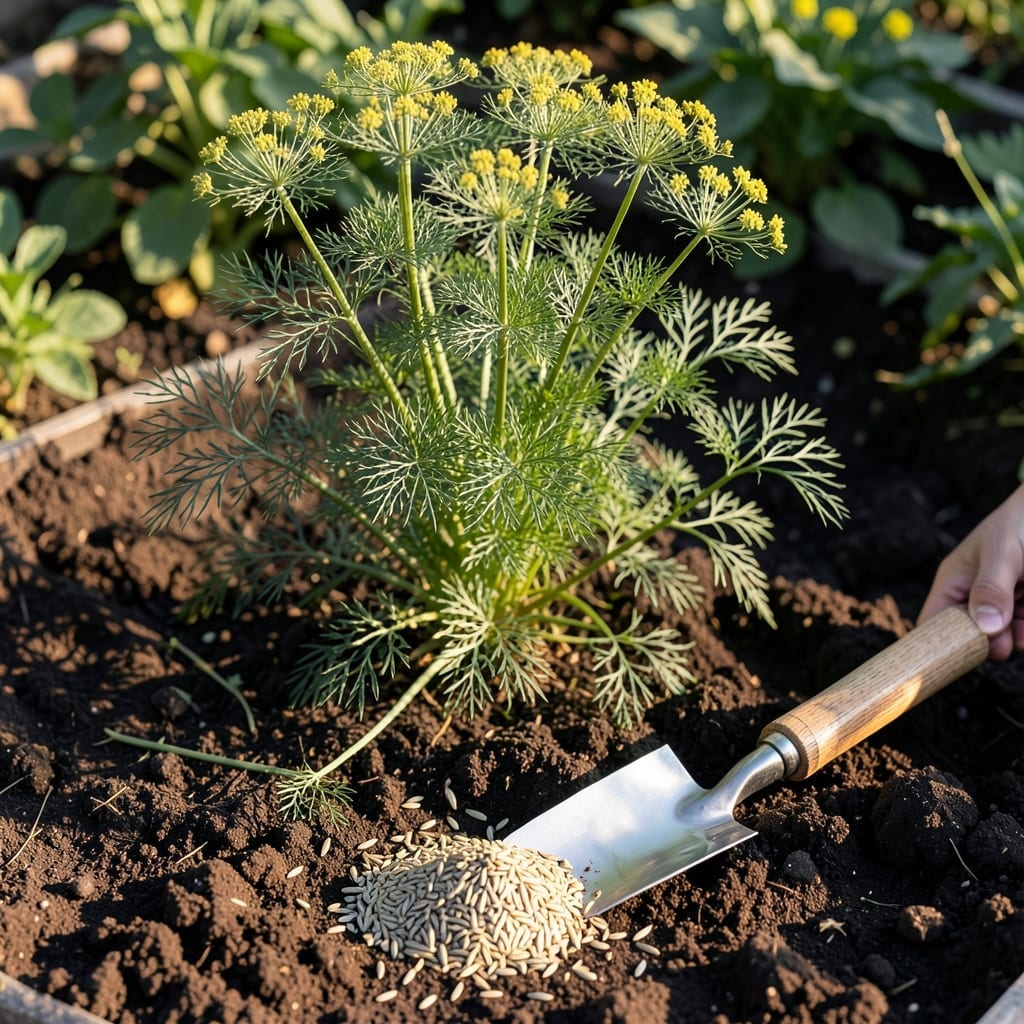
Timing is everything when growing Dill 🌿. This aromatic herb thrives under specific conditions, and nailing the planting window makes all the difference.
Whether you’re a seasoned gardener or just starting out, knowing the best moment to sow your seeds can transform your harvest from sparse to spectacular.
Let me walk you through the key factors that ensure your Dill grows lush and flavorful, from soil temperature to regional timing.
Getting the timing right for planting dill starts with understanding your climate zone. In cooler regions like USDA zones 3-5, you’ll want to wait until after the last frost, typically in late spring.
For warmer areas in zones 7-9, dill can be planted in early spring or even late winter. This herb thrives in mild temperatures between 60-70°F.
| Climate Zone | Planting Window | Notes |
|---|---|---|
| Zones 3-5 | Late Spring | After last frost, soil 60°F+ |
| Zones 6-7 | Early to Mid Spring | Direct sow when soil is workable |
| Zones 8-9 | Late Winter to Early Spring | Can also plant in fall for winter harvest |
| Zone 10+ | Fall to Early Winter | Avoid peak summer heat |
In zone 6, where I often garden, the ideal window is from March to June. This gives the plants enough time to mature before the heat of summer sets in.
Dill prefers cool to warm temperatures but struggles in extreme heat. If you live in a hot climate, planting in fall ensures a better harvest before the scorching summer.
Soil temperature is another critical factor. Dill seeds germinate best in soil that’s at least 60°F. Using a soil thermometer can help you pinpoint the perfect moment.
For those in cooler climates, starting seeds indoors 4-6 weeks before the last frost can give your dill a head start. Just be sure to harden off the seedlings before transplanting.
If you’re in a mild winter region, you can also plant dill in late fall for a winter harvest. This works especially well in USDA zones 8-10.
Remember, dill grows quickly, often reaching harvest size in just 40-60 days. This means you can succession plant every 3-4 weeks for a continuous supply.
Finally, always check your local frost dates and adjust accordingly. A little planning goes a long way in ensuring a bountiful dill harvest 🌿
To get the best flavor and highest yield from your dill, start with well-draining soil enriched with compost. This herb prefers slightly acidic to neutral pH levels.
Sow seeds 1/4 inch deep and space them 12-18 inches apart to prevent overcrowding. Dill grows tall, so give it room to thrive.
Dill thrives in full sun, so choose a spot with 6+ hours of direct daily sunlight. Without enough light, plants grow leggy and weak.
Water your dill consistently, keeping the soil moist but not soggy. I recommend morning watering to reduce evaporation and prevent disease.
For companion planting, pair dill with cabbage, lettuce, or cucumbers. Avoid planting near carrots or fennel, as they can cross-pollinate.
Once seedlings emerge, thin them to the strongest plants. This ensures better air circulation and reduces competition for nutrients. With proper care, you’ll enjoy a lush dill harvest in 40-60 days 🌿