
Beautiful Plants For Your Interior
Beautiful Plants For Your Interior
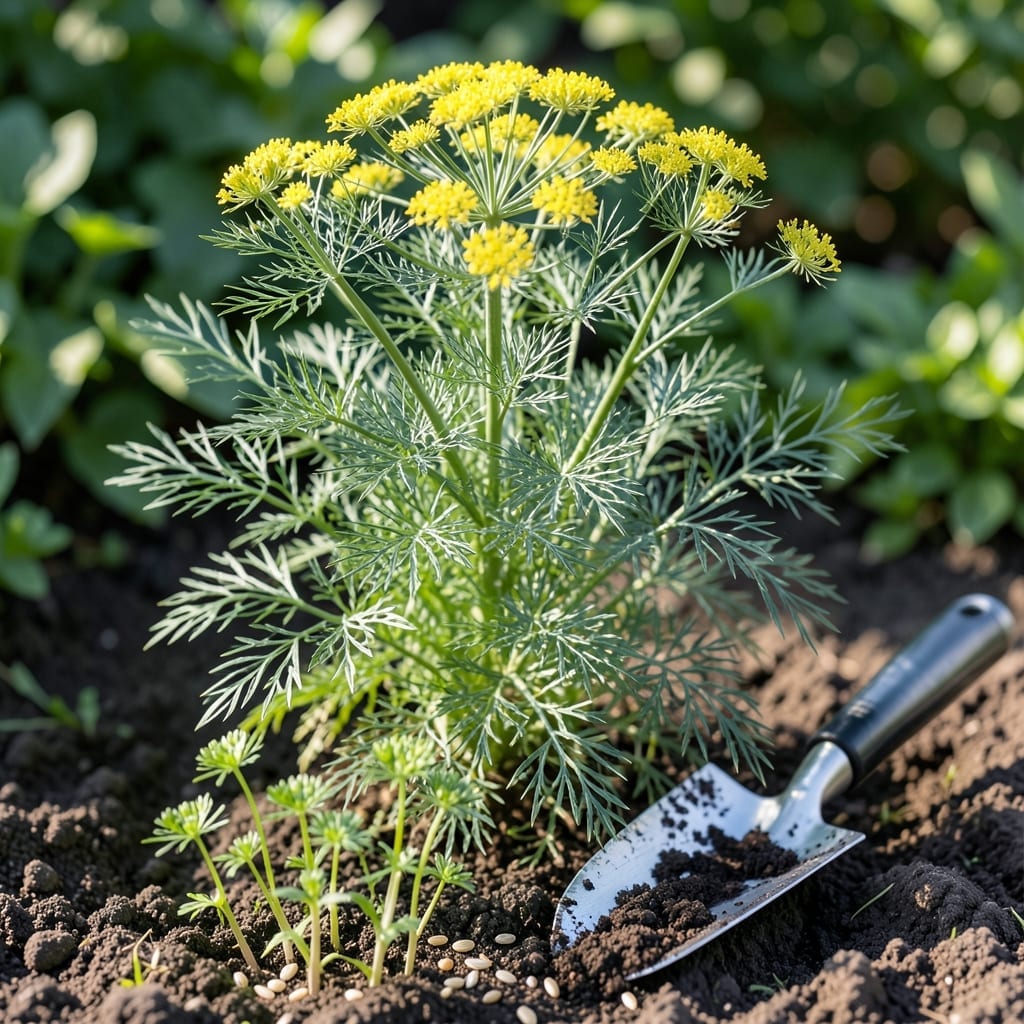
Timing is everything when planting 🌿 Dill in Oregon’s unique climate. Plant too early or too late, and you risk stunted growth or poor flavor.
Get it right, and you’ll enjoy vibrant, aromatic dill all season long. Oregon’s USDA zones 7b-9a offer distinct windows that make all the difference.
I’ve tested the best approaches for this region, and the results speak for themselves. Whether you’re in Western Oregon or the drier east, timing your planting correctly is the key.
Discover the optimal months and techniques to ensure your dill thrives from seed to harvest. Let’s get started.
Oregon’s diverse climate means dill planting times vary significantly by region. In Western Oregon, with its mild, wet winters, you can start sowing dill seeds as early as late March.
The key is waiting until soil temperatures reach at least 60°F. This ensures quick germination and strong growth from the start. 🌱
| Region | Best Planting Months | USDA Zone | Notes |
|---|---|---|---|
| Western Oregon | April – June | 7b-8a | Cool, wet springs |
| Eastern Oregon | May – June | 7a-7b | Warmer, drier climate |
| Southern Oregon | March – April, August – September | 8a-9a | Longer growing season |
| Coastal Areas | April – May | 8b-9a | Mild, consistent temps |
In Eastern Oregon, where the climate is drier and hotter, it’s best to plant dill in May to avoid the intense summer heat that can cause premature bolting.
Southern Oregon gardeners have more flexibility. You can plant dill twice a year—once in early spring and again in late summer for a fall harvest.
For coastal areas, the moderate temperatures allow for earlier planting in April. However, watch for cool ocean breezes that might slow growth slightly. ☀️
Remember, dill doesn’t transplant well. Always direct sow seeds into well-draining soil. I’ve found that loamy soil with a pH of 5.8-6.5 works best for robust growth.
If you’re in a region with late frosts, like higher elevations, wait until all danger of frost has passed. Dill is not frost-tolerant, and young plants can be easily damaged. 🌡️
For fall planting, aim to sow seeds 6-8 weeks before the first expected frost. This gives plants enough time to mature before cold weather sets in.
In my experience, succession planting every 2-3 weeks ensures a continuous supply of fresh dill throughout the growing season. This method works particularly well in Oregon’s varied microclimates. 🌿
To get the most out of your dill plants in Oregon, start with well-draining soil enriched with compost. This herb thrives in loose, fertile ground that prevents waterlogging and root rot.
Full sun exposure is non-negotiable—aim for 6-8 hours daily. In Western Oregon, morning sun with afternoon shade can help during heatwaves, while Eastern Oregon’s drier climate benefits from all-day sunlight.
Companion planting is a game-changer. Dill’s strong aroma repels pests like aphids, making it a great neighbor for cabbage, lettuce, and onions. Avoid planting near carrots, as they can cross-pollinate and stunt each other’s growth.
Oregon’s spring rains can oversaturate soil, so ensure your planting site has good drainage. Raised beds are a smart choice in wetter regions like the Willamette Valley. In drier areas, mulch helps retain moisture without waterlogging.
Watch for early bolting in hot weather. If temperatures spike, provide afternoon shade to slow flower production and extend your harvest window. Consistent moisture also helps prevent premature seeding.
With these adjustments, your dill will grow tall, fragrant, and full, ready for harvest in as little as 40-60 days. The key is balancing Oregon’s varied conditions with dill’s simple needs. 🌿