
Beautiful Plants For Your Interior
Beautiful Plants For Your Interior
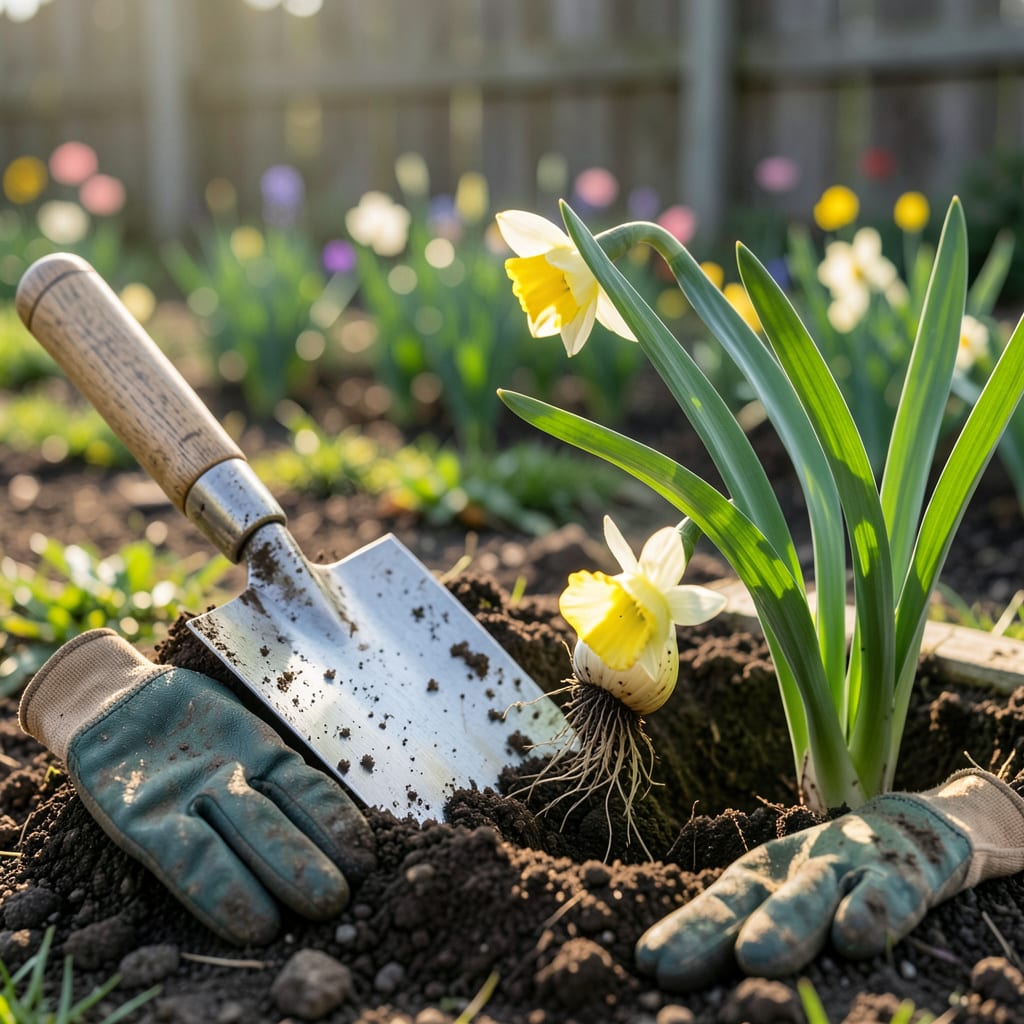
If you’ve ever dreamed of a yard bursting with cheerful 🌱 Daffodils each spring, timing is your secret weapon. Alabama’s unique climate—spanning zones 7a to 9a—means the difference between stunning blooms and disappointing flops often comes down to just a few weeks.
Plant too early, and bulbs may rot in warm soil; wait too long, and they won’t establish roots before winter. I’ll break down the exact fall window for your region, plus pro tips to ensure your Daffodils thrive. Let’s get those golden trumpets ready to shine.
If you want a show-stopping spring garden in Alabama, timing your daffodil planting is non-negotiable. The fall window is your golden opportunity, but the exact timing shifts depending on whether you’re in Zone 7a (northern Alabama) or Zone 9a (southern coastal areas). 🌱
Alabama’s mild winters mean bulbs need to go in the ground 6–8 weeks before the first hard frost. For most of the state, that’s between mid-October and early December. But soil temperature—not just calendar dates—is the real secret to success. 🌡️
Data based on Alabama Cooperative Extension guidelines. Soil temps measured at 6″ depth.
In northern Alabama (Zone 7a), aim for mid-October to mid-November. The cooler temps here mean bulbs establish roots before winter dormancy. I’ve found that ‘Ice Follies’ and ‘Tête-à-Tête’ varieties thrive with this timing. ☀️
Central Alabama gardeners (Zone 8a) get a slight extension—early November through early December works best. The key is ensuring bulbs experience 12–14 weeks of chilling (below 40°F) to trigger spring blooms. Without this, you’ll get foliage but no flowers. ❄️
Down in Zone 9a (Mobile, Gulf Coast), you’re pushing the envelope with December plantings. Here, I recommend pre-chilling bulbs in the fridge for 6–8 weeks before planting. Skip this step, and you risk blind stems (leaves with no blooms). 🌧️
Soil temperature is your best planting cue. Use a soil thermometer to check at 6-inch depth—when it dips below 60°F consistently, it’s go time. Pro tip: Plant after a cool rain; the moist soil makes digging easier and reduces shock. 💧
If you’re in a microclimate (like Birmingham’s urban heat islands), adjust by planting 7–10 days later than the zone recommendation. Conversely, higher elevations (Cheaha Mountain area) may need bulbs in the ground 2 weeks earlier. 🌳
Avoid planting during Indian summer warm spells—bulbs may sprout prematurely, leaving them vulnerable to winter kill. I learned this the hard way after losing a batch of ‘Dutch Master’ daffodils to a late-November heatwave. Always check the 10-day forecast before planting. ⏰
For naturalizing daffodils (letting them multiply over years), stick to the early side of your zone’s window. This gives bulbs extra time to establish daughter bulbs before spring. Varieties like ‘Jonquil’ and ‘February Gold’ are perfect for this in Alabama. 🪴
Now that you know when to plant, let’s talk about how to plant daffodils for those jaw-dropping spring displays. Alabama’s clay-heavy soil and variable weather demand extra prep work—but trust me, it’s worth it. Start by choosing a spot with full sun to partial shade. 🌞
Daffodils thrive in well-draining soil, which can be tricky in Alabama. I always amend the planting area with 2–3 inches of compost or pine bark fines to improve drainage. If your soil stays soggy, consider raised beds or planting on a slope to prevent bulb rot. 🌱
For naturalizing daffodils (the kind that multiply yearly), I swear by the “toss and plant” method. Gently toss bulbs onto the soil, then plant them where they land for a random, natural look. This mimics how they grow in the wild and reduces overcrowding. 🪴
If you’re planting in containers, use a well-draining potting mix with added perlite. Containers dry out faster, so check moisture weekly. In Zone 9a, move pots to a cool garage for 6–8 weeks to mimic winter chilling if you didn’t pre-chill bulbs. ❄️
Avoid planting daffodils near other bulbs that need summer water (like daylilies). Daffodil bulbs rot in wet summer soil, so pair them with drought-tolerant perennials like lavender or Russian sage instead. I learned this after losing a patch of ‘Geranium’ daffodils to overzealous irrigation. 💧
After planting, mark bulb locations with biodegradable flags or a light sprinkle of flour (it washes away but shows you where to avoid digging). Come spring, you’ll be glad you did when those golden trumpets pop up exactly where you planned. ✂️
Finally, resist the urge to cut back foliage after blooming. Let it yellow naturally—this feeds the bulb for next year’s flowers. I like to braid the leaves of tall varieties to keep them tidy while they die back. By June, you can safely remove the dried foliage. 🌿
Planting daffodils at the wrong time in Alabama can lead to disappointing results—or even no blooms at all. I’ve seen gardeners lose entire batches of bulbs because they ignored the fall planting window. Timing isn’t just a suggestion; it’s the difference between vibrant spring color and a sad patch of green leaves. 🌱
If you plant too early (before soil cools to 60°F), bulbs may sprout prematurely. Those tender shoots are no match for Alabama’s unpredictable winter freezes, especially in Zone 7a. I once planted ‘Mount Hood’ daffodils in September during a warm spell—by November, the sprouts were zapped by a surprise frost. ❄️
Fix it: If planted early, mulch heavily with pine straw to insulate sprouts. If late, apply low-nitrogen fertilizer to boost root growth.
Planting too late is just as risky. Bulbs need 4–6 weeks to grow roots before winter. In Zone 9a, a December 15 planting might not root in time, leaving you with stunted or blind stems (foliage but no flowers). If you miss the window, try pre-chilling bulbs in the fridge for 8–10 weeks before planting. 🌡️
Alabama’s warm winters can trick bulbs into thinking it’s spring. If you plant in Zone 8a after December 1, bulbs may not get enough chilling hours (below 40°F). Without this, they’ll produce weak, floppy stems or skip blooming entirely. I’ve had luck salvaging late plantings by covering beds with shade cloth to keep soil cooler longer. ☀️
If your daffodils fail to bloom, don’t panic. Dig up a bulb in summer—if it’s firm and plump, it just needs more chilling next year. If it’s soft or moldy, rot or poor drainage is likely the culprit. In heavy clay, try planting bulbs in raised beds with amended soil. For late-planted bulbs, a light bulb fertilizer (like 5-10-5) in early spring can sometimes coax them into blooming. 🪴
Remember, Alabama’s microclimates add another layer of complexity. Urban areas like Birmingham may have warmer soil than rural spots, while higher elevations (like Mentone) cool down faster. When in doubt, use a soil thermometer—it’s the most reliable way to nail your planting time. ✂️
Spring-planted daffodils often fail to bloom the first year. They need 12-14 weeks of chilling (below 40°F) to trigger flowers. In Alabama, spring planting skips this critical phase, so bulbs may only produce leaves.
Plant bulbs 6-8 inches deep in Alabama’s soil, measuring from the bulb’s base. In sandy coastal areas (Zone 9a), go 1 inch deeper to protect from temperature swings. Shallow planting risks bulbs heaving out during freeze-thaw cycles.
Yes! Store unplanted bulbs in a cool, dry place (40-50°F) with good airflow. Use mesh bags or cardboard boxes—never plastic, which traps moisture. Check monthly for mold or soft spots. Pre-chill for 8-10 weeks before late planting.
Common causes include late planting (roots didn’t establish), overcrowding, or cutting foliage too soon. Dig up a bulb—if it’s firm, it needs more chilling next year. If soft, rot from poor drainage is likely. Check soil moisture and spacing.
Skip fertilizer at planting time—it can burn new roots. Instead, apply a low-nitrogen bulb fertilizer (like 5-10-10) in early spring when shoots emerge. Repeat after blooming to nourish next year’s flowers. Avoid high-nitrogen mixes, which promote leaves over blooms.
