
Beautiful Plants For Your Interior
Beautiful Plants For Your Interior
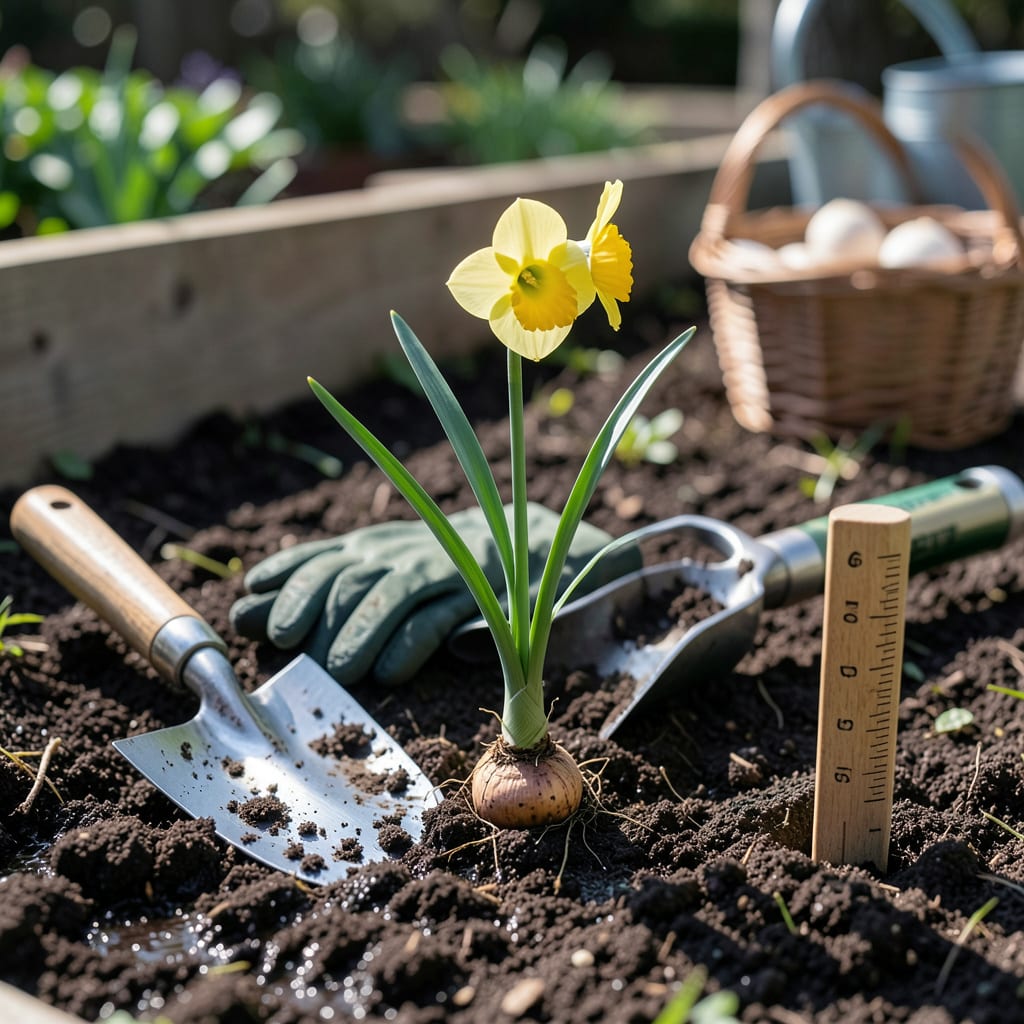
There’s nothing quite like the sight of cheerful 🌼 daffodils popping up in spring—but getting those perfect blooms starts with planting at just the right time. In North Carolina, timing can make or break your garden’s success.
I’ve seen too many gardeners miss their window and end up with lackluster flowers. Let me show you exactly when to get those bulbs in the ground for vibrant, healthy daffodils that steal the show next season.
North Carolina’s diverse climate means the perfect planting time for daffodil bulbs varies dramatically. From the coastal plains to the mountain highlands, each region has its own sweet spot for fall planting.
I’ve learned that soil temperature is the real secret—you want it below 60°F but before the ground freezes. Let’s break down the ideal timing for your specific part of the state.
| Region | Ideal Planting Window | First Frost Date | Soil Prep Tip |
|---|---|---|---|
| Coastal NC | Late Nov – Early Dec | Dec 10 | Add sand for drainage |
| Piedmont | Mid-Oct – Mid-Nov | Nov 15 | Mix in compost |
| Mountains | Late Sept – Late Oct | Oct 10 | Mulch heavily |
*Plant 6-8 weeks before your region’s first frost date for best results.
In the coastal areas, you’ve got until early December thanks to milder winters. I recommend planting Narcissus ‘Tête-à-Tête’ here—they thrive in the sandy soil and handle humidity well.
Gardeners in the Piedmont region should aim for mid-October through mid-November. This is where most of NC’s famous Jonquil daffodils flourish, especially in Raleigh and Charlotte’s clay-heavy soils.
Mountain dwellers need to plant earliest—late September to October. The higher elevation means colder temps sooner. I’ve had great success with ‘Ice Follies’ in Asheville gardens—they’re cold-hardy and deer-resistant.
Here’s my pro tip: Use a soil thermometer to check temps. When your soil consistently reads below 60°F at 6 inches deep, it’s go time. This usually happens about 2 weeks after air temperatures drop.
Don’t forget about microclimates! South-facing slopes warm up faster in spring, while north-facing areas stay cooler. Adjust your planting time by 1-2 weeks based on your garden’s specific conditions.
If you’re in the Triangle area (Durham, Chapel Hill), you’re right on the cusp of Piedmont timing. I’d err on the earlier side—early November at the latest—to ensure roots establish before winter.
Remember, daffodils need 6-8 weeks of root growth before the ground freezes. Plant too late, and you’ll get weak blooms. Plant too early in warm soil, and you risk fungal diseases or premature sprouting.
For all regions, mark your calendar for 6 weeks before your average first frost date. That’s your golden window. And if you’re unsure, October is generally safe statewide—just adjust slightly based on your elevation.
Now that you know when to plant, let’s talk about how to do it right. I’ve found that even perfect timing won’t help if your planting technique is off. Follow these steps for daffodils that will steal the show next spring.
Start by choosing a spot with full sun to partial shade—daffodils need at least 6 hours of sunlight daily. Avoid low spots where water collects, as bulbs will rot in soggy soil. Test your soil’s drainage by digging a hole and filling it with water. If it drains within 4 hours, you’re good to go.
For clay soil, add 1 inch of sand to each hole to improve drainage.
Here’s my secret for bigger blooms: Plant bulbs in groups of 5-7 rather than single rows. This creates dramatic color blocks in spring. I love pairing ‘Ice Follies’ (white/pale yellow) with ‘Tête-à-Tête’ (golden yellow) for contrast.
Depth matters more than you think. In sandy coastal soil, you might plant an inch deeper (7 inches total). In heavy Piedmont clay, stick to 5 inches to prevent rot. Use a bulb planter tool for consistent depth—it saves your back and ensures uniform blooming.
After planting, mark your spots with biodegradable flags or sticks. It’s easy to forget where bulbs are, and you don’t want to accidentally dig them up later. I use popsicle sticks with the variety name written in pencil—they’ll decompose by spring.
Watering is critical right after planting. Give your bulbs 1 inch of water immediately to jumpstart root growth. Then water weekly until the ground freezes, unless rain provides moisture. Avoid overhead watering—keep the soil moist but not the foliage.
For deer-prone areas (looking at you, Asheville gardeners!), sprinkle blood meal around your planting area. The smell deters deer while adding nitrogen. Reapply after heavy rains. In my experience, daffodils are naturally deer-resistant, but hungry herds will nibble anything in tough winters.
Getting your daffodil bulbs in the ground at the wrong time can lead to disappointing results. I’ve seen gardeners face weak blooms, no flowers at all, or even rotting bulbs—all because of poor timing. Let’s break down what happens when you miss that perfect planting window.
Plant too early in warm soil (above 60°F), and your bulbs may start sprouting prematurely. These tender shoots can’t survive winter freezes, leaving you with damaged plants come spring. I once planted in September during a heatwave and lost half my bulbs to rot.
Ideal window: 6-8 weeks before first frost in your region
Late planting is equally problematic. Bulbs need 6-8 weeks to develop strong root systems before winter. Plant in December, and you’ll likely see stunted growth or no flowers at all. I helped a neighbor salvage late-planted bulbs by adding extra mulch for insulation.
If you’ve already planted outside the ideal window, don’t panic. For early plantings, add 3-4 inches of mulch to protect premature sprouts. For late plantings, water deeply and apply a balanced fertilizer (5-10-5) to encourage root growth before winter.
Coastal gardeners have more flexibility with late planting, but mountain gardeners must be especially careful. In Asheville, I’ve seen bulbs planted after October fail to bloom. When in doubt, use a soil thermometer—if it’s below 60°F at 6 inches deep, you’re safe to plant.
Remember, daffodils are forgiving, but timing makes all the difference. If you miss your window, consider planting bulbs in containers and overwintering them in a cool garage. This gives you more control over their environment and can save your spring display.
Spring planting isn’t ideal for daffodils in NC. These bulbs need 6-8 weeks of root growth before winter to store energy for spring blooms. Spring-planted bulbs may produce leaves but often skip flowering their first year. If you must plant in spring, refrigerate bulbs for 6 weeks first to simulate winter.
In heavy Piedmont clay, plant bulbs 5 inches deep instead of the usual 6. This prevents rot while still providing insulation. Loosen soil 12 inches down and mix in 2 inches of compost to improve drainage. Consider adding 1 inch of sand to each planting hole for extra protection.
Late-planted bulbs may still grow, but expect delayed or weaker blooms. The roots need time to establish before winter. If you miss the window, plant anyway and add 4-6 inches of mulch (straw or shredded leaves) for insulation. Water deeply after planting to encourage root growth before the ground freezes completely.
Yes! Work 1 tbsp of 5-10-5 bulb fertilizer into the soil at the bottom of each hole. Avoid direct bulb contact to prevent burning. NC’s native soils often lack phosphorus, which is crucial for root development. Skip fertilizer if planting in freshly composted beds—too many nutrients can cause lush leaves but few flowers.
Common NC-specific causes include: planting too late (after December), overcrowding (bulbs need 4-6 inches apart), or cutting foliage too soon. Leave leaves until they yellow naturally—this feeds next year’s blooms. Shallow planting (less than 5 inches deep) can also prevent flowering in our variable climate.
