
Beautiful Plants For Your Interior
Beautiful Plants For Your Interior
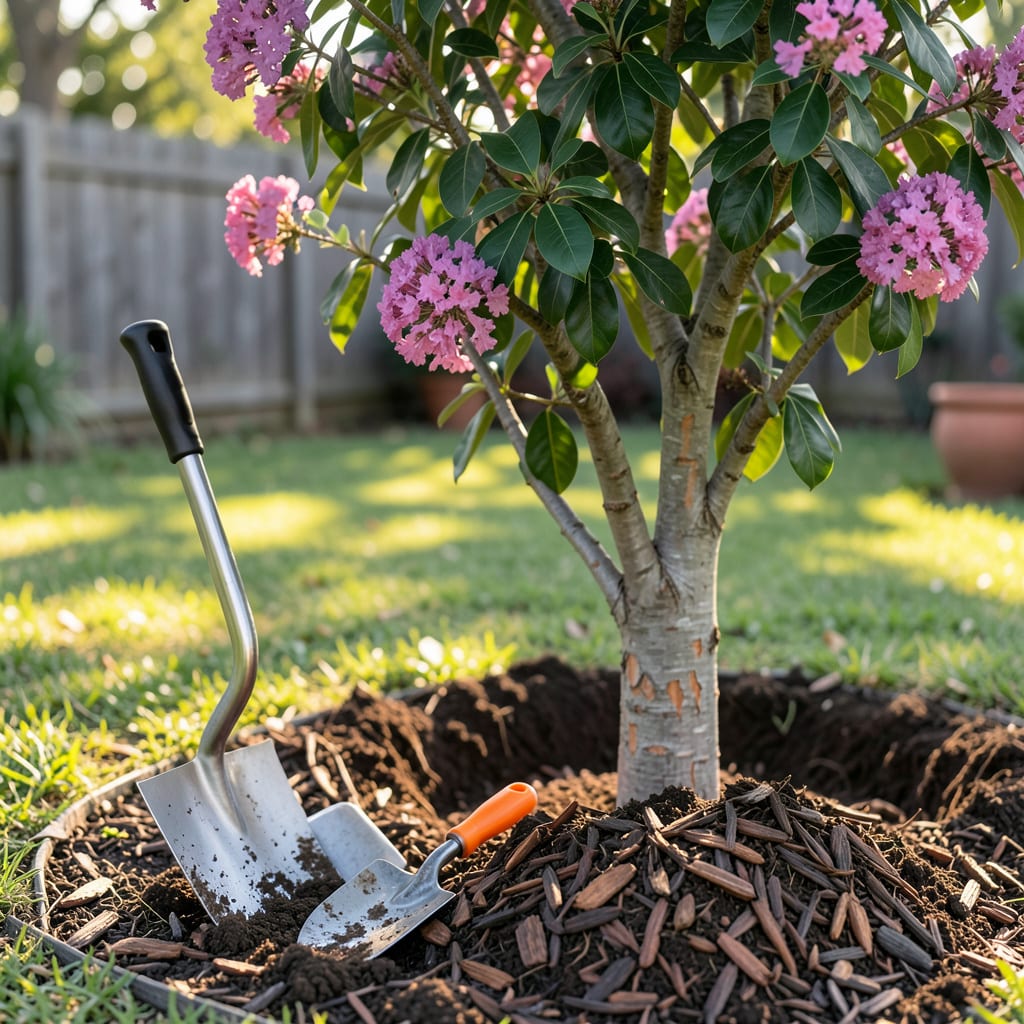
Timing your crepe myrtle planting in Texas can mean the difference between a struggling sapling and a thriving, bloom-covered tree for decades. Our state’s extreme heat and unpredictable freezes make precision crucial—plant too early, and late frosts might shock your young tree; plant too late, and summer’s scorching sun could stress it beyond recovery.
I’ve helped countless Texas gardeners nail the perfect window, and the results speak for themselves. Whether you’re in the Panhandle or the Gulf Coast, I’ll break down the exact months to plant, why fall often beats spring, and how to prep your soil for Texas’ tough conditions. Let’s get your crepe myrtle off to the strongest start possible.
If you’re dreaming of vibrant summer blooms from your crepe myrtle, timing your planting is everything in Texas. Our state’s diverse climate zones mean what works in Dallas won’t always fly in Houston. I’ve learned the hard way that planting during peak summer heat stresses young trees beyond recovery.
The secret? Focus on fall and winter planting when temperatures are mild. This gives roots time to establish before Texas’ scorching summers hit. But don’t just take my word for it—let’s break down the ideal windows for your specific zone. Remember, crepe myrtles are tough, but even they need a gentle start in our unpredictable weather.
| Zone | Cities | Best Planting | Avoid |
|---|---|---|---|
| 6a-7b | Amarillo, Lubbock | Oct-Nov or Feb-March | Dec-Jan (frost risk) |
| 8a-8b | Dallas, Austin | Nov-Dec or Jan-Feb | July-Aug (heat stress) |
| 9a-10b | Houston, Corpus Christi | Dec-Jan or Oct-Nov | June-Sept (hurricane season) |
*Plant bare-root in winter; container-grown in fall/spring
In North Texas (Zones 6-7), I always recommend planting 4-6 weeks before first frost. This gives roots time to settle before winter dormancy. The soil stays warm longer than air temps, encouraging root growth even when leaves drop. Just be sure to mulch heavily—2-3 inches—to protect against sudden cold snaps.
For Central Texas gardeners (Zone 8), your sweet spot is late fall. The cooler temps reduce transplant shock, and winter rains help establish roots. I’ve seen crepe myrtles planted in December thrive by summer, while those planted in spring struggle with heat stress their first year.
Down in South Texas and the Coast (Zones 9-10), you’ve got more flexibility. But watch out for hurricane season—newly planted trees can’t handle saturated soil. I always tell coastal gardeners to plant by mid-November or wait until late January after the storm risk passes.
Here’s my pro tip: Check your soil temperature before planting. Crepe myrtles establish best when soil is 60-70°F. Too cold, and roots won’t grow; too hot, and the tree wastes energy on foliage instead of roots. A simple soil thermometer (about $10) saves guesswork.
If you miss the fall window, early spring planting is your backup. But be prepared for extra watering—Texas springs can be deceivingly dry. I recommend setting up a drip irrigation system for new plantings to maintain consistent moisture during those critical first months.
Remember, crepe myrtles are drought-tolerant once established, but they need consistent moisture their first year. The deep watering method works best: soak the root ball 2-3 times weekly (more in extreme heat) rather than daily light watering. This encourages deep root growth, which is key for Texas’ climate.
Lastly, don’t overlook microclimates in your yard. A south-facing wall can be 10°F warmer than an open area, affecting planting success. I once lost a beautiful ‘Natchez’ variety by planting it too close to a heat-reflecting driveway. Now I always recommend planting on the east or north sides of buildings for afternoon shade.
By following these zone-specific guidelines, you’ll give your crepe myrtle the best start possible. And trust me, when you see those first vibrant blooms in summer, you’ll know the timing was worth it. Just remember: in Texas gardening, patience and preparation always win over rushing the season.
Planting crepe myrtles in Texas isn’t just about timing—it’s about preparing the soil for our unique challenges. Our clay-heavy soils and alkaline conditions can make or break your tree’s success. I’ve seen too many gardeners struggle because they didn’t amend their soil properly before planting.
The first step is testing your soil’s pH. Crepe myrtles thrive in slightly acidic soil (pH 6.0-6.5), but most Texas soils test higher. A simple $10 soil test kit from your local nursery gives you the exact numbers you need to work with.
Never plant in unamended Texas clay—it compacts around roots, suffocating your tree. I recommend mixing 50% native soil with 30% compost and 20% expanded shale for proper drainage.
Avoid over-amending the hole—this creates a “bathtub effect” where roots circle instead of spreading. Your goal is to encourage roots to grow outward into native soil.
When digging your hole, make it twice as wide as the root ball but no deeper. This gives roots room to spread horizontally. I always rough up the sides of the hole with my shovel—this prevents glazing, where smooth sides can redirect roots in circles.
For container-grown trees, gently loosen the root ball before planting. If roots are circling, make vertical cuts with clean pruners to encourage outward growth. Bare-root trees need soaking in water for 2-3 hours before planting to rehydrate the roots.
After placing your tree, backfill with your soil mix, tamping gently to remove air pockets. Create a water basin around the base—this ensures water reaches the roots instead of running off. I use leftover soil to form a 3-inch-high ring about 12 inches from the trunk.
Watering is critical those first few weeks. Give your new tree a deep soak immediately after planting, then maintain moisture with 2-3 waterings per week. The rule I follow: water until the soil is moist 12 inches deep—use a trowel to check.
Finally, apply 3-4 inches of mulch (but keep it 2 inches away from the trunk). Organic mulches like shredded bark work best in Texas. They regulate soil temperature, retain moisture, and gradually improve soil quality as they decompose. Just
With this method, I’ve helped dozens of Texas gardeners establish crepe myrtles that thrive for decades. The key is giving your tree the right foundation—proper soil prep and careful planting make all the difference in our challenging climate. ✅
Even with perfect timing, some common Texas planting mistakes can sabotage your crepe myrtle’s success. I’ve seen gardeners lose trees not because of when they planted, but because of how they handled our state’s unique challenges. Let’s tackle the three biggest pitfalls I encounter.
First is ignoring microclimates—that sunny spot by your driveway might be 10-15°F hotter than your backyard. Urban heat islands and reflective surfaces create hidden danger zones. Always use a soil thermometer to check conditions at the exact planting location.
*Fix these and you’ll avoid 80% of first-year failures
The second critical error is misjudging water needs during Texas’ unpredictable weather swings. Many gardeners assume “drought-tolerant” means “no water needed.” Wrong! Your crepe myrtle needs consistent deep watering its first year—about 1-1.5 inches weekly, more during heat waves.
Finally, don’t overlook variety selection. Not all crepe myrtles handle Texas heat equally. For our climate, I recommend ‘Natchez’ (white), ‘Tuscarora’ (coral), or ‘Muskogee’ (lavender)—these varieties show superior heat and drought tolerance in my experience.
Here’s my quick-fix for each mistake: Use drip irrigation to prevent overwatering, plant with the root flare visible, and always apply 3-4 inches of organic mulch. These simple adjustments make all the difference in our challenging Texas conditions. 🌳
Remember, crepe myrtles are forgiving once established, but they need careful attention that first year. Avoid these common mistakes, and you’ll be rewarded with decades of vibrant blooms and low-maintenance beauty that thrives in our Texas heat. ✅
Fall planting gives roots 6-8 weeks to establish before winter dormancy. The cooler temps and consistent moisture create ideal conditions. Spring plantings often struggle with Texas’ sudden 90°F+ heat waves before roots fully develop.
I strongly advise against it. Summer’s 100°F+ temperatures stress young trees beyond recovery. If you must, choose container-grown specimens and plant in early morning. Be prepared for daily watering and potential sunburn on leaves.
Grab a handful of soil—it should crumble easily, not stick together. Use the “squeeze test”: if it holds shape when squeezed but breaks when touched, it’s perfect. Texas clay often needs 2-3 weeks of prep with compost and expanded shale before planting.
Planting too deep! The root flare (where roots meet trunk) should be 1-2 inches above soil level. I see this error in 80% of struggling trees. It causes bark rot and girdling roots. Always dig the hole shallow and wide instead of deep.
Yes! Coastal areas need less frequent watering due to humidity, while West Texas requires deeper soaks for clay soil. Central Texas gardeners should follow the “1-inch per week” rule, adjusting for rain. Always water before 9 AM to prevent evaporation.
