
Beautiful Plants For Your Interior
Beautiful Plants For Your Interior
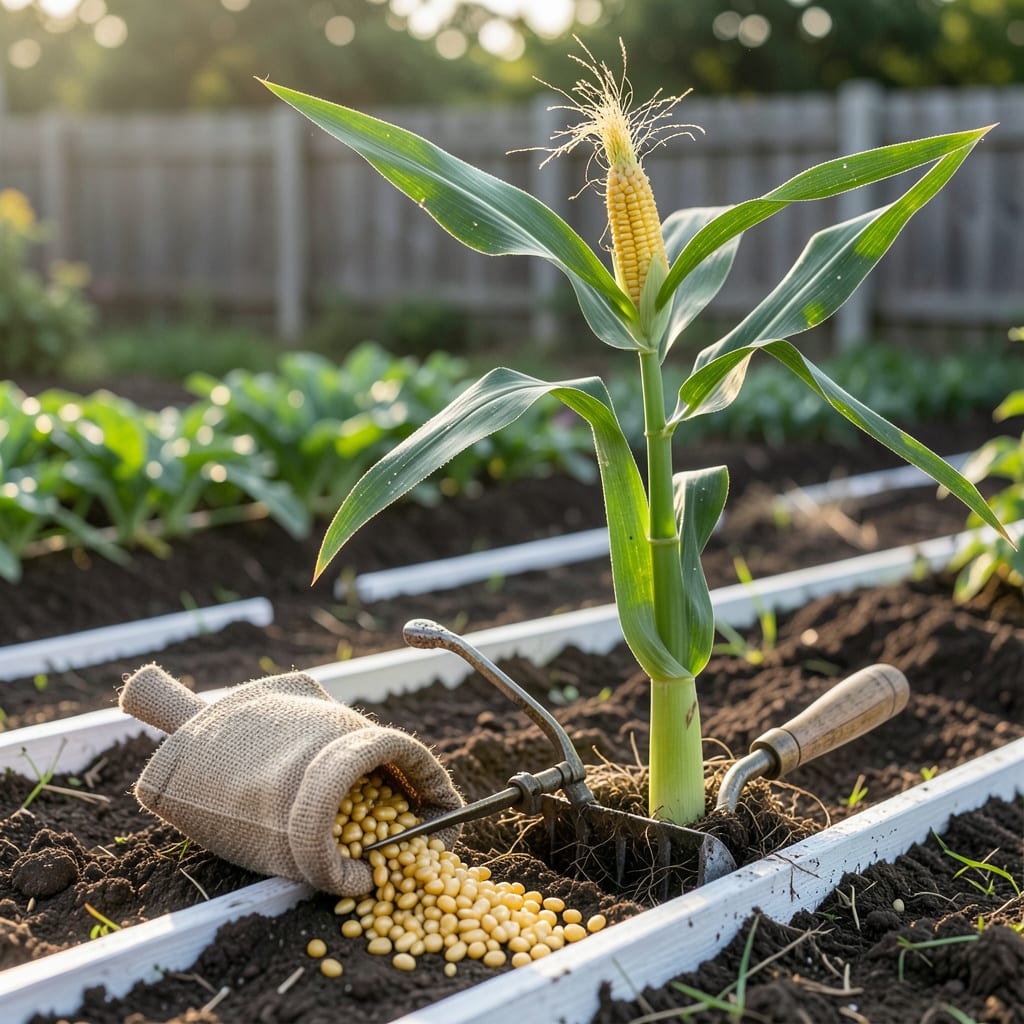
Timing your corn planting in Washington can make or break your harvest. Plant too early, and chilly soil will sabotage your seeds. Wait too long, and you’ll miss that perfect summer window for plump, sweet kernels.
Here’s the thing: Washington’s climate splits into two worlds—Western WA’s damp springs and Eastern WA’s dry heat. I’ll break down exactly when to get those seeds in the ground for your region, plus the soil prep tricks that’ll give you a head start. Let’s get it right the first time.
If you’ve ever wondered why your neighbor’s corn thrives while yours struggles, the answer often lies in Washington’s dramatic climate divide. West of the Cascades, the marine influence keeps soils cooler and wetter, while east of the mountains, the arid climate demands a different approach. Timing your planting right is the first step to success.
For Western Washington gardeners, patience is key. The Puget Sound region (Zones 8–9a) rarely sees last frost before mid-April, but soil temps often lag behind. I’ve learned the hard way that rushing to plant in cold, soggy soil leads to rot—not roots. Wait until soil hits 50°F (usually late April to early May).
| Region | USDA Zones | Optimal Planting | Soil Temp Threshold | Notes |
|---|---|---|---|---|
| Puget Sound (Seattle, Tacoma) | 8a–9a | Late April–May 15 | 50–55°F | Use black plastic mulch to warm soil faster. |
| Olympic Peninsula | 8b–9a | May 1–20 | 50°F+ | Cooler coastal areas—start seeds indoors 2–3 weeks early. |
| Spokane/Eastern WA | 6a–7a | Mid-May–June 1 | 55°F+ | Watch for late frosts—cover seedlings if temps drop. |
| Yakima Valley | 7a–8a | Late April–May 10 | 55°F+ | Ideal for early varieties like ‘Swift’ (60-day maturity). |
| Columbia Basin | 6b–7b | May 10–June 1 | 60°F+ | Hot summers—mulch heavily to retain moisture. |
In Eastern Washington, the game changes entirely. Cities like Spokane or Wenatchee (Zones 6–7) have shorter growing seasons but warmer summers. Here, I aim to plant after Mother’s Day (mid-May), when soil temps reliably hit 55°F. The trade-off? You’ll need fast-maturing varieties (70 days or less) to beat the fall frosts.
For urban gardeners in Seattle or Bellevue, microclimates matter. South-facing slopes or paved areas warm up faster—sometimes by 2–3 weeks. I’ve had success planting ‘Luscious’ corn (75 days) as early as April 20 in raised beds covered with clear plastic for 2 weeks prior. Just remove the plastic once seeds sprout to avoid overheating.
If you’re in the rain shadow areas (like Sequim or the San Juan Islands), your last frost dates may arrive earlier, but soil moisture is lower. Here, I recommend soaking seeds overnight before planting and using drip irrigation to keep moisture consistent. These areas can often sneak in a second planting in late June for a fall harvest.
For high-elevation gardens (like near Mount Rainier or the Cascades), the window tightens. Stick to ‘Early Sunglow’ (65 days) and plant June 1–10. Use row covers to extend the season, but remove them once plants reach knee-high to allow pollination. I’ve found that container-growing with dark pots can also help warm roots in cooler areas.
No matter where you are, soil prep is non-negotiable. Washington’s heavy clay soils (especially in Western WA) need amending. I work in 2–3 inches of compost and a balanced fertilizer (10-10-10) before planting. For Eastern WA’s sandy soils, add peat moss or coconut coir to improve water retention. A soil thermometer is your best friend—don’t guess!
Pro tip: Succession planting works wonders in Washington. In Western WA, I plant three rounds: early May
Getting your corn seeds in the ground at the right time is just the first step. I’ve found that three key factors make or break a harvest in Washington’s finicky climate. Even with perfect timing, neglecting these can leave you with stunted plants or empty cobs. Let’s dig into what really matters beyond the calendar.
First up: soil preparation. Washington’s heavy clay soils—especially in Western WA—are notorious for poor drainage and slow warming. I always amend my beds with 2–3 inches of compost and a balanced 10-10-10 fertilizer before planting. For Eastern WA’s sandy soils, mixing in peat moss or coconut coir helps retain moisture during those scorching summers.
Next, variety selection is non-negotiable. In Western WA’s cooler, wetter springs, I stick to fast-maturing varieties like ‘Early Sunglow’ (65 days) or ‘Quickie’ (67 days). These thrive in our shorter growing window and still deliver sweet kernels. Eastern WA gardeners can push slightly longer-season varieties like ‘Ambrosia’ (78 days), but I’d still avoid anything over 80 days unless you’re in the Yakima Valley.
Don’t overlook frost protection, either. Even after your last frost date, Washington’s weather is unpredictable. I’ve lost countless seedlings to a late-May frost in Spokane. Now, I always keep row covers or old blankets on hand to toss over young plants if temps dip below 32°F. For coastal areas, wind can be just as damaging—use windbreaks or plant near a fence.
Finally, pollination planning is critical. Corn is wind-pollinated, so planting in blocks (at least 4 rows) ensures better kernel fill than single rows. I space my plants 12–15 inches apart in rows 2–3 feet apart. In small gardens, try hand-pollinating by shaking the tassels over silks on breezeless days. Poor pollination = sparse, misshapen ears—something I learned after my first disappointing harvest!
One last pro tip: succession planting can extend your harvest. In Western WA, I plant three rounds: early May, late May, and mid-June. This staggers the harvest and avoids a glut of corn all at once. Eastern WA gardeners might only get two plantings (mid-May and early June), but it’s worth it for fresh corn into September. Just be sure your final planting has 90 days until your first fall frost.
Remember, corn is a heavy feeder. Once plants reach knee-high, I side-dress with a nitrogen-rich fertilizer (like blood meal or fish emulsion) and water deeply 1–2 inches per week. Washington’s dry summers (especially east of the Cascades) demand consistent moisture—drip irrigation is your best friend here. With these factors dialed in, you’ll be biting into juicy, homegrown corn before you know it! 🌽
Even experienced gardeners can sabotage their corn crop with a few common missteps. In Washington’s unpredictable climate, these mistakes are magnified. I’ve made my share of errors—like planting too early in cold, wet soil—and learned the hard way what not to do. Let’s save you the heartache.
The biggest blunder? Ignoring soil temperature. I once planted in early April during a warm spell, only to watch my seeds rot when temps plunged. Washington’s marine influence (west) and high desert swings (east) demand patience. Always use a soil thermometer—50°F minimum, but 55°F+ is ideal for germination.
Another critical error is poor spacing. Crowded corn competes for nutrients and pollinates poorly. I now plant seeds 1 inch deep and 4–6 inches apart, thinning to 12–15 inches once sprouts reach 4 inches tall. For small gardens, try ‘Midget’ or ‘Golden Midget’ varieties—they stay compact but still deliver sweet ears.
Western Washington gardeners often underestimate slug and snail damage. These pests devour young seedlings overnight. I combat them with beer traps or iron phosphate bait (pet-safe). In Eastern WA, cutworms are the culprit—wrap seedlings with cardboard collars at planting. Both regions should monitor for corn earworms later in the season; I apply mineral oil to silks to deter them.
Finally, watering inconsistencies ruin more corn crops than pests do. Washington’s dry summers (especially east of the Cascades) require 1–1.5 inches of water weekly. I use drip irrigation to keep foliage dry and prevent fungal diseases. Avoid overhead watering in the evening—wet leaves overnight invite mildew. Mulch with straw or grass clippings to retain moisture and suppress weeds. 🌽
For the Puget Sound area (Zones 8–9a), wait until late April to mid-May when soil reaches 50°F+. Coastal spots like the Olympic Peninsula may need to push to early May due to cooler temps.
Yes, but choose dwarf varieties like ‘Golden Midget’ (4–5 ft tall). Use 5-gallon containers per plant with drainage holes, and place in full sun. Container soil warms faster, so monitor moisture closely.
Cover young plants with frost blankets or plastic cloches if temps drop below 32°F. Remove covers during the day to prevent overheating. Spokane gardeners should keep protections handy until early June.
This usually happens when planted in cold, wet soil (below 50°F). Western WA’s spring rains are notorious for this. Always check soil temp with a thermometer and wait for consistent warmth.
In Western WA, plant three rounds (early May, late May, mid-June) for continuous harvest. Eastern WA gardeners can do two plantings (mid-May, early June). Just ensure your last planting matures before fall frost.
