
Beautiful Plants For Your Interior
Beautiful Plants For Your Interior
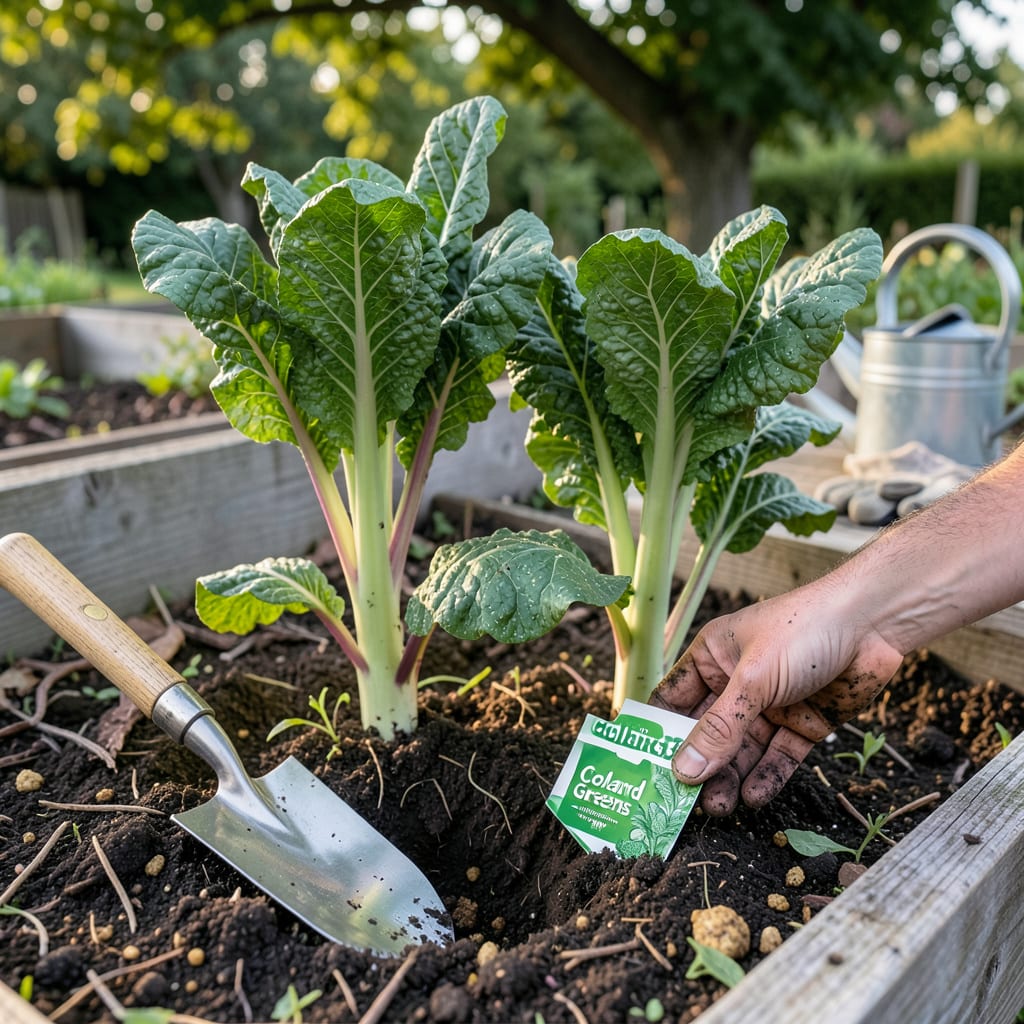
Timing your collard planting in Virginia can mean the difference between bitter leaves and sweet, tender harvests. From the coastal plains to the Blue Ridge Mountains, our state’s diverse climate demands precision—plant too early, and frost might stunt your 🌱 Collards; wait too long, and summer heat could turn them tough.
I’ve tested planting windows across Virginia’s zones, and the results might surprise you. Whether you’re in Norfolk or Roanoke, I’ll break down the exact months to sow for spring’s early greens or fall’s cold-sweetened bounty—plus the soil prep tricks that double your yield.
Virginia’s diverse climate means your collard planting dates vary dramatically from the coastal plains to the Blue Ridge Mountains. I’ve grown collards across the state, and trust me—what works in Norfolk (Zone 8a) won’t fly in Roanoke (Zone 7a). The key? Your last frost date and USDA zone.
Most of Virginia spans Zones 6a–8a, with fall planting often yielding sweeter greens thanks to light frosts. But spring collards? They’ll bolt if planted too late. I’ll break down exact windows by region—plus how to tweak for urban heat islands or mountain microclimates.
| Region/Zone | Spring Plant | Fall Plant | Notes |
|---|---|---|---|
| Coastal (8a) | Feb 15–Mar 15 | Aug 15–Sep 15 | Watch for humidity-related pests |
| Piedmont (7a-7b) | Mar 15–Apr 1 | Aug 1–Aug 30 | Ideal for ‘Georgia Southern’ variety |
| Mountains (6a-6b) | Apr 1–Apr 15 | Jul 15–Aug 15 | Use row covers for early starts |
*Based on Virginia Cooperative Extension data. Adjust for local frost dates.
In Zone 8a (think Virginia Beach), you can sneak in a late winter planting—collards laugh at light frosts. But head west to Zone 6b (like Staunton), and you’ll need to wait until mid-April to avoid surprise freezes. My trick? Use a soil thermometer—collards thrive when soil hits 50°F.
For fall collards, timing is even trickier. Plant too late, and you’ll harvest tiny leaves before winter. I aim for 6–8 weeks before first frost, which means early August in most of Virginia. Pro tip: ‘Vates’ collards handle cold better than most—perfect for mountain gardens.
Don’t forget soil prep! Collards crave well-draining soil with a pH of 6.0–6.5. I mix in composted manure a week before planting and add a balanced fertilizer (like 10-10-10) at planting. In heavy clay (common in Piedmont), raised beds are a game-changer.
Spacing matters too. Crowded collards = stunted growth. I plant seeds ½ inch deep, 12–18 inches apart, with rows 2 feet apart. Thin seedlings to 12 inches once they’ve got 2–3 true leaves. Yes, it’s painful to pull those babies, but your harvest will thank you.
Sunlight is non-negotiable. Collards need 6–8 hours daily, but in Virginia’s scorching summers, afternoon shade prevents bolting. I use 30% shade cloth in July/August for spring-planted collards. Fall plantings? Full sun is fine—they’ll sweeten up after light frosts.
Watering is where most gardeners mess up. Collards need consistent moisture—1–1.5 inches per week. Drip irrigation beats overhead watering (hello, powdery mildew!). I water deeply 2–3 times weekly, more in sandy coastal soils. Mulch with straw to retain moisture and keep roots cool.
Watch for cabbage worms and aphids—they adore collards. I spray neem oil weekly or use floating row covers until plants are established. In fall, slugs become the enemy; beer traps or diatomaceous earth work wonders. And if you see yellowing leaves, check for nitrogen deficiency—a quick fish emulsion boost fixes it.
Harvest time! Start picking outer leaves when plants hit 10–12 inches tall, usually 60–75 days after planting. Never strip the center—let it keep growing. Fall collards taste best after a light frost (sugar concentrates!). Store harvested leaves in the fridge for 5–7 days, or blanch and freeze for winter soups.
Remember: Virginia’s microclimates can shift dates by 2–3 weeks. When in doubt, call your local Extension office—they’ve got hyper-local data. And if you’re new to collards, start with ‘Champion’ (spring) or ‘Georgia Southern’ (fall). They’re forgiving and pest-resistant—perfect for Virginia’s mood swings! 🌱
If you’ve ever debated whether to plant collards in spring or fall in Virginia, you’re not alone. After years of testing both seasons, I can tell you: fall collards win for flavor and ease. But spring plantings have their perks too—especially for early harvests and pest avoidance.
The secret lies in how collards respond to temperature shifts. Spring-planted collards grow fast but often bolt in Virginia’s summer heat. Fall collards, however, thrive in cooling temps, developing sweeter, tender leaves after light frosts. Let’s break down which season suits your garden goals.
| Factor | Spring Planting | Fall Planting |
|---|---|---|
| Best Zones | All (6a–8a) | 7a–8a (coastal/Piedmont) |
| Flavor Profile | Milder, earthy | Sweeter (frost-enhanced) |
| Pest Pressure | High (cabbage worms) | Moderate (slugs) |
| Harvest Window | 60–70 days | 70–90 days |
| Top Varieties | ‘Champion’ | ‘Georgia Southern’ |
*Based on Virginia Tech Extension trials. Fall collards tolerate temps down to 20°F.
For spring collards, I plant ‘Champion’ seeds in early March (Piedmont) or late February (coastal). They’re ready by May, just as my lettuce bolts. The trick? Use shade cloth by June to prevent bitterness. Spring collards grow fast but require weekly pest checks for cabbage loopers.
Fall collards are my favorite—they’re low-maintenance and cold-hardy. I sow ‘Georgia Southern’ in early August (or late July in mountains). The first frost transforms them: sugars concentrate, and leaves turn buttery-tender. They’ll keep producing until hard freezes (below 20°F).
Here’s the kicker: fall collards yield 2–3x more than spring plantings in my garden. Why? Cooler temps slow bolting, and pests like aphids are less active. I’ve harvested collards from October through December in Zone 7b—long after my summer crops died. Just mulch heavily before winter!
Not sure which to choose? Try both! Plant a small spring batch for early greens, then a larger fall crop for winter harvests. In urban areas (like Richmond), heat islands may favor fall-only plantings. Mountain gardeners? Stick to fall—spring frosts linger too long in Zones 6a–6b.
Whichever season you pick, remember: consistent watering and soil rich in nitrogen are key. I side-dress with compost tea every 3 weeks. And if you’re short on space, collards thrive in containers (12″+ deep) too! 🌿
Even experienced Virginia gardeners can sabotage their collard crops with a few common blunders. I’ve seen entire patches fail because of timing missteps or soil neglect. The good news? These mistakes are easy to fix once you know what to watch for.
First up: ignoring soil pH. Collards demand a sweet spot of 6.0–6.5. Test your soil—Virginia’s Piedmont clay often skews acidic. A simple lime application can transform sad seedlings into thriving plants.
*Data from Virginia Cooperative Extension trials. Zone 6a gardeners: add 2 weeks to spring dates.
Another classic error: misjudging fall planting dates. I’ve lost count of how many gardeners plant collards in September—only to harvest tiny leaves before winter. In Virginia, aim for August 1–15 (coastal) or July 15–30 (mountains). This gives plants 8–10 weeks to size up before frost.
Watering inconsistencies wreck havoc too. Collards need 1–1.5 inches weekly, but overhead watering invites disease. My fix? Drip irrigation on a timer, set for early mornings. Sandy soils (like in Tidewater) may need daily checks.
Finally, don’t forget pest vigilance. Virginia’s cabbage worms and aphids adore collards. I inspect leaves weekly and spray neem oil at first sign of holes. Fall gardeners: watch for slugs after rains—beer traps work like magic! 🌿
Not quite, but you can get close! Collards thrive in Virginia’s spring and fall, but summer heat causes bolting, and winter freezes halt growth. For near-year-round harvests, plant in early spring (March–April) and late summer (August) for fall/winter crops.
Use 30% shade cloth during peak afternoon sun (1–4 PM). Mulch heavily with straw or grass clippings to retain moisture. Water deeply every 2–3 days—drip irrigation works best to avoid fungal issues.
Mulch plants with 4–6 inches of straw before the first frost. Use floating row covers on cold nights to protect leaves. Varieties like ‘Vates’ or ‘Georgia Southern’ tolerate temps down to 20°F with protection.
Yes! Container soil warms faster, so plant 2–3 weeks earlier in spring. Use pots at least 12 inches deep with drainage holes. Check moisture daily—potted collards dry out quicker than in-ground plants.
Heat stress causes bitterness. Harvest leaves before temps exceed 80°F, or grow heat-tolerant varieties like ‘Champion’. Shade cloth and consistent watering also reduce bitterness by lowering plant stress.
