
Beautiful Plants For Your Interior
Beautiful Plants For Your Interior
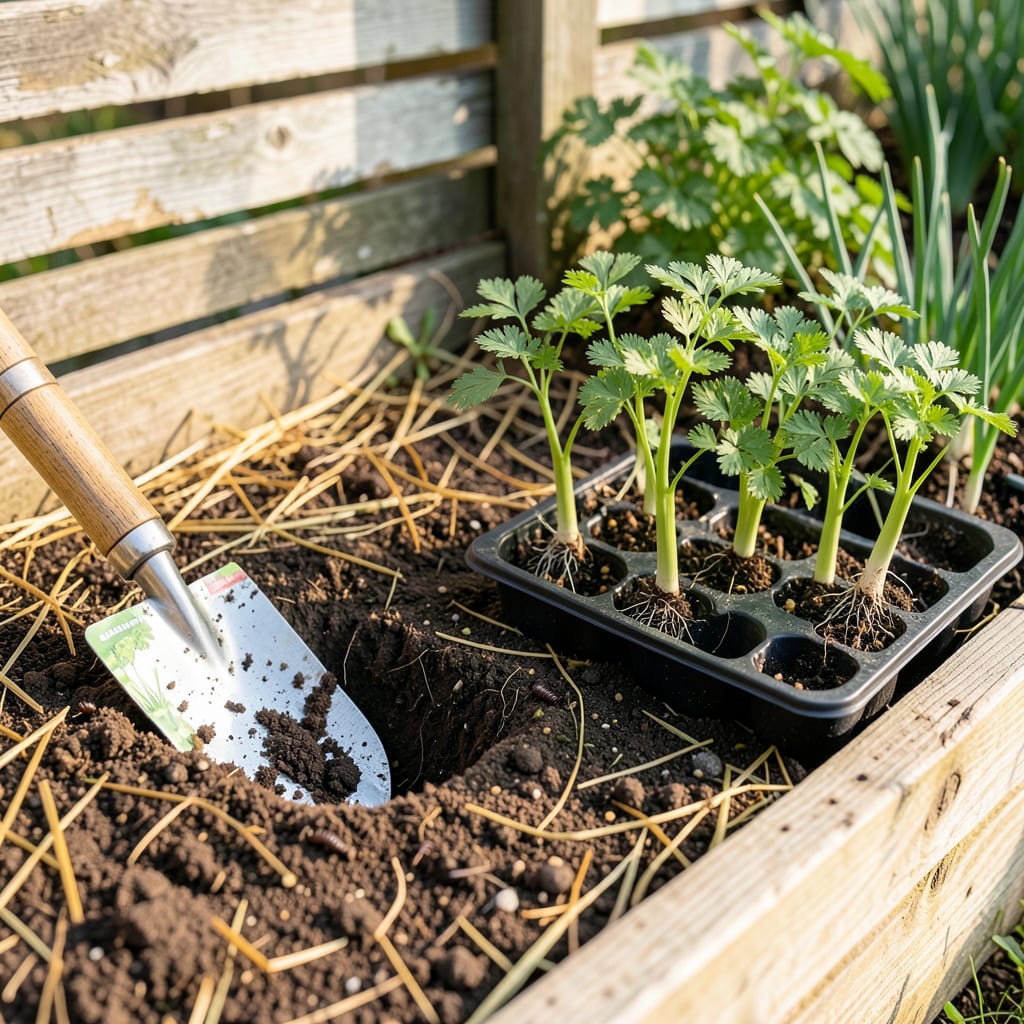
Timing can make or break your 🌿 celery harvest in Zone 8—plant too late, and summer heat turns stalks bitter. Too early, and unexpected frost might ruin your crop before it even starts.
I’ve tested both spring and fall windows here, and the difference is night and day. Whether you’re aiming for a May harvest or a late-season bounty, I’ll show you the exact planting schedule that delivers crisp, flavorful stalks every time.
If you’re growing celery in Zone 8, timing is your secret weapon. This cool-weather crop thrives when temperatures stay between 60–70°F, making spring and fall your golden windows. Plant too late in spring, and summer heat will turn stalks bitter or trigger bolting.
Zone 8’s long growing season gives you two shots: a spring crop (started indoors in January) and a fall crop (direct-sown in August). The key? Working around our last frost date (March 15) and first frost (November 15). Let’s break it down.
| Planting Stage | Spring Dates | Fall Dates | Notes |
|---|---|---|---|
| Start seeds indoors | Jan 1–Feb 1 | June 15–July 15 | Use heat mats for faster germination (70°F soil). |
| Transplant outdoors | Mar 15–Apr 1 | Aug 15–Sep 1 | Harden off for 7–10 days before transplanting. |
| Direct sow outdoors | Not recommended | Aug 1–Aug 15 | Fall only! Soil must stay below 75°F. |
| Harvest window | May 15–June 30 | Nov 1–Dec 15 | Harvest outer stalks first for continuous growth. |
Pro Tip: In Zone 8b (warmer areas), shift fall planting 1–2 weeks later to avoid heat stress.
For spring celery, I always start seeds indoors by January 1st. Celery seeds germinate notoriously slow—expect 14–21 days—so a heat mat and consistent moisture are non-negotiable. Aim to transplant 10–12-week-old seedlings outdoors after the last frost.
The fall crop is where Zone 8 gardeners shine. Direct-sow seeds in early August, or transplant seedlings by September 1st. The cooling temps of fall produce sweeter, less fibrous stalks. Just ensure your plants mature before the first frost (November 15).
Soil temperature is your silent partner here. Celery seeds won’t germinate below 50°F, and transplants stall if soil dips below 60°F. Use a soil thermometer to check—it’s a game-changer. In spring, black plastic mulch can warm soil faster for earlier planting.
Microclimates matter in Zone 8. If you’re in Zone 8a (cooler pockets), lean toward earlier spring planting. Zone 8b gardeners can push fall planting later but must watch for unexpected heatwaves. Urban areas with heat islands may need shade cloth by late spring.
Watering is critical—celery needs 1–2 inches per week, consistently. Drought stress = bitter, stringy stalks. I use drip irrigation on a timer to keep moisture even. Mulch with straw or grass clippings to retain moisture and suppress weeds.
Companion planting boosts success. Pair celery with bush beans (fixes nitrogen), spinach (shares water needs), or nasturtiums (deters pests). Avoid planting near corn or potatoes—they compete for nutrients and attract similar pests.
Watch for bolting (premature flowering) in spring. If temps climb above 75°F, provide 30% shade cloth and extra water. Fall crops rarely bolt but may need row covers if early frosts threaten. Harvest before stalks turn woody or pithy.
For the crispest stalks, try trench planting: Dig a 6-inch deep furrow, plant celery, and gradually fill in soil as it grows. This blanches stalks naturally, reducing bitterness. Or wrap stalks with brown paper 2 weeks before harvest for the same effect.
Growing celery in Zone 8 isn’t hard—if you avoid these three common blunders. I’ve seen gardeners lose entire crops to premature bolting, stunted growth, or pest invasions, all because of timing or care oversights. The good news? Each mistake has a simple fix.
First up: planting too late in spring. Celery hates heat, and Zone 8’s summers arrive fast. If your seedlings aren’t transplanted by April 1st, they’ll face 75°F+ temps that trigger bitterness or bolting. Stick to the schedule—no exceptions.
The second mistake is skipping the hardening-off process. Celery seedlings started indoors are tender—exposing them to Zone 8’s spring winds or temperature swings without acclimation causes transplant shock. I harden mine off for 10 days, gradually increasing sun exposure.
Third, ignoring fall pest pressure can wipe out your crop. In Zone 8, aphids and slugs surge in autumn. I lost half a bed once before learning this lesson. Now, I plant nasturtiums as a trap crop and apply diatomaceous earth around the base weekly.
Another silent celery killer? Compacted soil. Celery’s shallow roots need loose, aerated earth to expand. If your garden has heavy clay, amend with perlite or coconut coir before planting. Raised beds are ideal—they warm faster in spring and drain better in fall rains.
Don’t overlook blanching—it’s not just for looks. Unblanched celery turns bitter in Zone 8’s sun. Two weeks before harvest, wrap stalks with brown paper or mound soil around them. For trench-planted celery, gradually fill the furrow as plants grow to self-blanch naturally.
Finally, harvest timing matters. Cut stalks too early, and they’re puny. Wait too long, and they turn woody. I harvest when stalks reach 8–12 inches and snap cleanly. Always cut outer stalks first, leaving the center to keep producing. With these fixes, you’ll sidestep every Zone 8 celery pitfall. 🌿
Not all celery thrives in Zone 8’s hot summers and mild winters. After testing a dozen varieties, I’ve found the top performers that handle our climate’s quirks—whether you’re planting for spring harvests or fall sweetness. The right cultivar makes all the difference.
For spring planting, you need heat-tolerant varieties that resist bolting when temps climb. My go-to is ‘Utah Tall’—it handles Zone 8’s early heatwaves better than most, with stalks reaching 18–24 inches in just 110 days. It’s also less prone to pithiness, a common issue in warm weather.
| Variety | Best For | Days to Harvest | Key Traits |
|---|---|---|---|
| Utah Tall | Spring plantings | 110–120 | Heat-tolerant, crisp stalks, resists bolting. |
| Tall White | Fall plantings | 120–130 | Cold-hardy, self-blanching, sweet flavor. |
| Golden Self-Blanching | Containers | 100–110 | Compact size, golden stalks, great for pots. |
| Ventura | Drought-prone areas | 115–125 | Disease-resistant, tolerates uneven watering. |
Pro Tip: For fall crops, choose ‘Tall White’—its self-blanching stalks stay tender even as nights cool.
For fall planting, ‘Tall White’ is my favorite. It thrives in cooling temps and self-blanches, meaning less work for you. The stalks stay sweet even after light frosts, and it matures in 120–130 days—perfect for Zone 8’s long autumn. I’ve harvested crisp stalks as late as December with this variety.
If you’re short on space, ‘Golden Self-Blanching’ is a winner. It grows well in containers and has a milder flavor that kids love. The golden stalks add a pop of color to dishes, and it matures faster than most—just 100 days. Ideal for urban gardeners or patio growers in Zone 8.
For gardeners battling drought or inconsistent rain, ‘Ventura’ is your best bet. It’s bred for disease resistance and handles water stress better than other varieties. I’ve seen it bounce back after missed waterings, though I still recommend drip irrigation for the best results. Its dark green stalks are extra crisp.
No matter which variety you choose, seed quality matters. I always buy from reputable suppliers and check the pack date—celery seeds lose viability after 2–3 years. Soak seeds overnight before planting to speed germination, which can take up to 3 weeks otherwise. 🌱
Zone 8’s mild winters make it tempting, but celery struggles in summer heat (above 75°F) and winter frosts. Stick to spring (Feb–Mar) and fall (Aug–Sep) plantings for best results.
Bitterness comes from heat stress or inconsistent watering. In Zone 8, use 30% shade cloth by late spring and maintain 1–2 inches of water weekly. Mulch helps keep roots cool and moist.
Cover plants with frost blankets or row covers when temps dip below 32°F. For extra warmth, add a layer of straw mulch around the base. Most varieties tolerate light frosts.
For spring, always start indoors 10–12 weeks before last frost (by Jan 1). For fall, you can direct-sow in early August—just keep soil moist. Indoor starts give you a head start!
Soak seeds overnight, then plant in 70°F soil (use a heat mat). Keep them moist but not soggy—expect sprouts in 14–21 days. Patience is key with celery seeds!
