
Beautiful Plants For Your Interior
Beautiful Plants For Your Interior
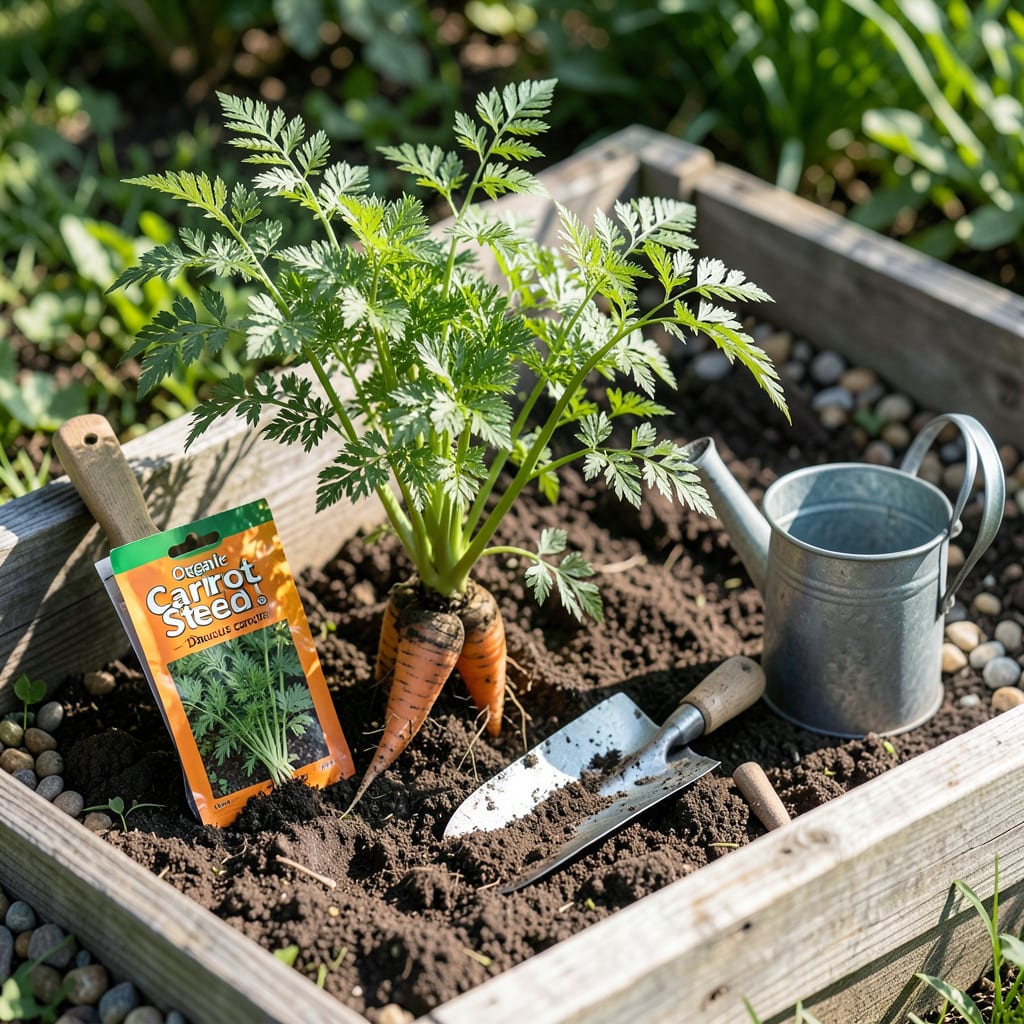
Timing your carrot planting in Arkansas can mean the difference between sweet, crisp roots and tough, bitter disappointments. The Natural State’s unpredictable swings from frost to scorching heat make nailing those planting windows critical—but I’ve got the exact calendar to take the guesswork out of it.
Whether you’re in the Ozarks or the Delta, I’ll break down the two perfect seasons to sow 🥕, how to work around Arkansas’s clay-heavy soil, and which varieties thrive in our humid summers. No more wasted seeds or stunted crops—just a bountiful harvest you can count on.
If you’re eager to grow sweet, crisp carrots in Arkansas, timing is your secret weapon. Our state spans USDA zones 6b–8a, meaning planting windows shift dramatically from the cooler Ozarks to the warmer Delta. Get it right, and you’ll avoid bitter, woody roots or frost-damaged crops.
Arkansas gardeners have two prime planting seasons: early spring (February–March) and late summer (August–September). The key? Working around our last frost date (typically April 10 in Central AR) and first frost (around October 20). Let’s break it down by region so you can plant with confidence.
| Region | USDA Zone | Spring Planting | Fall Planting | Notes |
|---|---|---|---|---|
| Northwest AR (Fayetteville, Bentonville) | 6b–7a | Late Feb–March | Mid-Aug–Early Sept | Cooler climate; risk of late frosts. Use row covers in early spring. |
| Central AR (Little Rock, Conway) | 7b–8a | Early March–Early April | Late Aug–Mid-Sept | Warmer summers; avoid planting after April 15 to prevent bolting. |
| Delta Region (Pine Bluff, Helena) | 8a | Late Feb–Mid-March | Early Sept–Early Oct | Hot, humid summers; opt for heat-tolerant varieties like ‘Danvers’. |
| Ozark Mountains (Eureka Springs, Harrison) | 6b–7a | March–Early April | Mid-Aug–Early Sept | Shorter season; prioritize fast-maturing varieties (e.g., ‘Paris Market’). |
| South AR (El Dorado, Texarkana) | 8a | Late Feb–March | Late Aug–Late Sept | Longer growing season; succession plant every 3 weeks for continuous harvest. |
In Northwest Arkansas (zones 6b–7a), I recommend starting seeds indoors in late February or direct-sowing under row covers by early March. The Ozark Mountains can be tricky—frost pockets linger, so wait until soil temps hit 40°F before planting. A soil thermometer is your best friend here.
Down in the Delta and South Arkansas (zone 8a), you’ve got a longer window, but summer heat is the enemy. Plant by mid-March for spring carrots, or aim for late August to avoid bolted, bitter roots. I’ve found ‘Danvers Half Long’ thrives in these warmer areas—it handles heat better than most.
For Central Arkansas gardeners, timing is tighter. Sow seeds March 1–15 for spring or August 20–September 10 for fall. Pro tip: Mulch heavily in summer plantings to keep soil cool and moist. Carrots need consistent moisture—drought stress leads to cracked, tough roots.
Don’t overlook soil prep—Arkansas’s clay-heavy soil can stunt carrot growth. I mix in compost and sand to loosen the earth, ensuring roots grow straight. If your soil is rocky, consider raised beds filled with a sandy loam mix. Trust me, it’s worth the effort!
Watch for carrot rust flies in late spring—they’re a nuisance in Arkansas. I cover crops with fine mesh (like floating row covers) to keep them out. Also, rotate planting locations yearly to prevent pest buildup. Carrots planted in the same spot repeatedly attract more pests.
Finally, harvest timing matters as much as planting. In Arkansas, spring-sown carrots are typically ready in 60–70 days, while fall plantings may take a bit longer due to cooling temps. Pull them when shoulders reach ¾–1 inch wide—don’t wait too long, or they’ll turn woody!
With these zone-specific tips, you’re set to grow the sweetest, crunchiest carrots Arkansas has to offer. Grab your seeds, check your region’s dates, and get planting—your future self (and your taste buds) will thank you! 🥕
Planting carrots in Arkansas isn’t just about timing—it’s about mastering the four key factors that make or break your harvest. Even with perfect planting dates, neglecting these can leave you with stunted, bitter, or pest-ridden roots. Let’s dig into what really matters.
First up: soil temperature. Carrot seeds won’t germinate if the soil is too cold (below 40°F) or too hot (above 85°F). In Arkansas, this means using a soil thermometer to check conditions before sowing. I’ve seen seeds rot in cold, wet soil—don’t skip this step!
Arkansas’s clay-heavy soil is another hurdle. Carrots need loose, well-draining soil to grow straight and long. I amend my beds with 50% compost and 30% sand to break up clay. If your soil is rocky, consider raised beds filled with a sandy loam mix—it’s a game-changer.
Light exposure plays a bigger role than you might think. Carrots need 6–8 hours of sun daily, but in Arkansas’s scorching summers, afternoon shade prevents bolting. I plant my fall carrots where they’ll get morning sun but dappled shade by 2 PM. Row covers can also help filter intense light.
Don’t forget about fertilization. Carrots hate high-nitrogen fertilizers—they’ll grow lush tops but forked, hairy roots. Instead, I use a 5-10-10 blend at planting and again 4 weeks later. Too much fertilizer? You’ll get misshapen carrots that are a nightmare to peel.
Finally, succession planting ensures you’re not overwhelmed with carrots all at once. In Arkansas, I sow a new batch every 3 weeks from February to April, then again in August. This staggers harvests and avoids gluts. For fall crops, add 2–3 weeks to maturity time as days shorten.
Master these four factors, and you’ll pull perfect, sweet carrots from Arkansas soil every time. It’s not just about when you plant—it’s about how you set them up for success from day one. Now grab your seeds and get growing! 🌱
Want a steady supply of carrots from spring through fall? In Arkansas, succession planting is the key to avoiding gluts and gaps. Our long growing season lets you sow multiple crops, but timing each batch right prevents overlapping harvests or wasted seeds.
I use a 12-month planner to stagger plantings, adjusting for Arkansas’s hot summers and mild winters. The trick is planting small batches every 2–3 weeks during the ideal windows, then pausing in peak summer heat (June–July) when germination struggles.
Pro Tip: Add 2–3 weeks to fall maturity times as days shorten!
For spring plantings, I start seeds indoors in late January (for transplanting) or direct-sow under row covers in February. This gives me early harvests by May. In Central Arkansas, I stop spring sowings by April 15—later plantings risk bolting in summer heat.
Fall carrots are my favorite—they’re often sweeter after light frosts! I begin sowing in early August, using shade cloth to protect seedlings from scorching temps. By September, I switch to uncovered beds and let cooler weather do the work. In Zone 8a, I’ve even harvested carrots in December with proper mulching.
To extend the season, try winter mulching. After a hard freeze, I cover beds with 4–6 inches of straw. This insulates soil, letting carrots slow-grow for late harvests. In Northwest Arkansas, use low tunnels to add 2–3 weeks to your season. Just vent them on warm days to prevent overheating.
Remember: carrot seeds germinate slowly (14–21 days). Keep soil evenly moist during this time—dry spells mean spotty germination. I use a mist setting on my hose to avoid washing seeds away. Once sprouted, thin to 2 inches apart for straight roots. Crowding leads to twisted, stunted carrots!
Loosen compacted soil by mixing in compost and sand to improve drainage. Arkansas’s clay-heavy soil can stunt growth, so aim for a sandy loam texture. Remove rocks to prevent forked roots, and avoid fresh manure—it causes misshapen carrots.
Summer heat makes germination difficult, but you can try shade cloth or plant heat-tolerant varieties like ‘Danvers’. Focus on early spring or late summer plantings instead—carrots thrive in cooler temps and may bolt in extreme heat.
Use floating row covers to block carrot rust flies and wireworms. Rotate planting locations yearly to disrupt pest cycles. Beneficial nematodes also help control soil-dwelling pests naturally.
Bitterness usually comes from heat stress or inconsistent watering. Plant in early spring or fall to avoid summer scorch, and mulch heavily to retain moisture. Harvest before temps exceed 85°F for sweeter roots.
Most varieties mature in 60–70 days for spring plantings. Fall crops may need 70–85 days as days shorten. Check soil at the shoulder—harvest when roots reach ¾–1 inch wide.
