
Beautiful Plants For Your Interior
Beautiful Plants For Your Interior
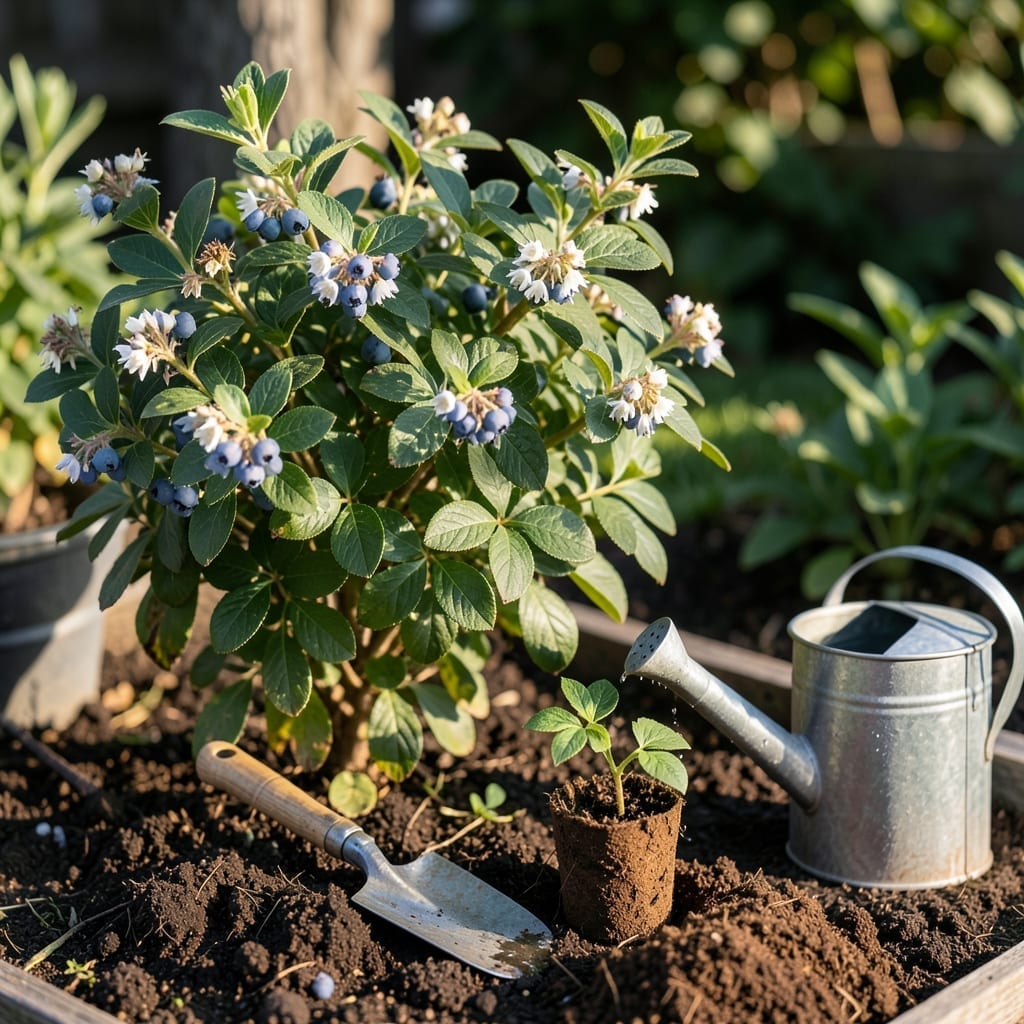
Timing is everything when planting Blueberry bushes in zone 6—plant too early or late, and your bushes may struggle to establish roots or produce fruit.
Discover the precise windows to ensure thriving, fruitful Blueberry 🫐 plants year after year. The right timing can mean the difference between a bountiful harvest and a disappointing season.
I’ll walk you through the optimal planting periods, including early spring and fall, so you can set your bushes up for success. Whether you’re a seasoned gardener or just starting out, this guide has you covered.
Learn how to align your planting schedule with the natural growth cycles of Blueberry bushes. Let’s dive in and get your garden ready for delicious results.
In USDA Zone 6, timing your blueberry planting is crucial for strong root establishment. I’ve found that early spring and fall offer the best windows. The key is avoiding frost exposure while giving roots time to settle before extreme temperatures hit.
For spring planting, aim for March to April, right after the last frost date—which is typically around April 15 in Zone 6. This gives your bushes a full growing season to establish before winter.
| Planting Window | Pros | Cons |
| Early Spring (March-April) | Full growing season, ideal soil temps | Risk of late frosts |
| Fall (Sept-Oct) | Cooler temps, less stress on plants | Shorter root establishment period |
For fall planting, I recommend September to early October. This allows at least 6-8 weeks before the first frost, which is around October 15 in Zone 6. The cooler temperatures reduce transplant shock, but ensure you plant early enough.
Soil temperature is another critical factor. Blueberries need soil temps above 45°F for root growth. In spring, wait until the soil has warmed. In fall, plant before soil temps drop below this threshold.
I’ve noticed that spring-planted bushes often have a slight edge because they get a full season of growth. However, fall planting can be equally successful if you provide extra mulch for winter protection.
If you’re unsure, check your local soil temperature with a thermometer. I always do this before planting. Blueberries are sensitive to cold soil, so patience pays off.
Another tip: container-grown blueberries can be planted anytime during the growing season, but bare-root plants do best in early spring or fall. This flexibility is great for gardeners who miss the ideal windows.
Remember, Zone 6’s frost dates can vary slightly by microclimate. If you’re in a warmer pocket, you might extend your fall planting window by a week or two. When in doubt, earlier is always safer.
Finally, always water deeply after planting and mulch with acidic materials like pine bark. This keeps roots happy and starts your bushes off on the right foot.☀️
Planting blueberries in zone 6 requires careful timing and preparation. I always start by selecting a sunny location with well-draining soil, as these shrubs thrive in 6-8 hours of sunlight daily. The soil must be acidic, ideally with a pH between 4.5-5.5. 🌱
Before planting, I test the soil and amend it with sulfur or peat moss if needed. This ensures the blueberry bushes can absorb nutrients effectively. Early spring or fall is the best time to plant, right after the last frost or before the first frost. ☀️
After planting, I
For the first growing season, I monitor the soil moisture closely and protect the bushes from late frosts in spring. Using a frost cloth can prevent damage to new growth. Pruning isn’t necessary in the first year, but I remove any dead or damaged branches to encourage healthy growth.
In the second year, I start fertilizing lightly with an acid-loving plant fertilizer in early spring. This promotes strong growth and prepares the bushes for fruiting. I also prune any crossing branches to improve air circulation. ✂️
By following these steps, your blueberry bushes will establish strong roots and produce abundant fruit for years to come. Consistency in care, especially in the first two years, is key to a thriving blueberry patch in zone 6.