
Beautiful Plants For Your Interior
Beautiful Plants For Your Interior
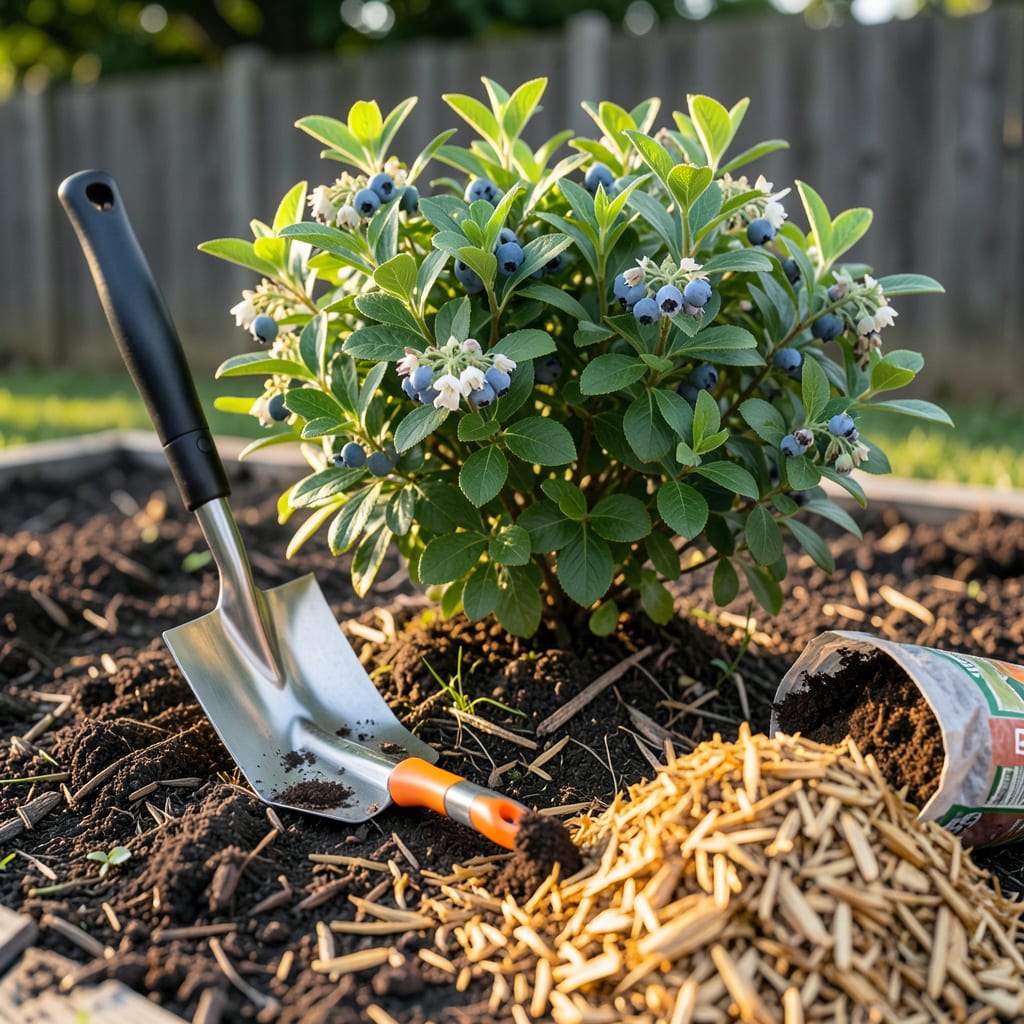
Oregon’s unpredictable weather can turn blueberry planting into a gamble—plant too soon, and late frosts might wipe out your bushes. But nail the timing, and you’ll be rewarded with years of juicy summer harvests.
Whether you’re in the foggy coastal zones or the sun-baked Willamette Valley, the rules change dramatically. I’ll break down the exact windows for bare-root vs. potted blueberries, plus the soil temps and frost dates that make or break your success. Let’s get your 🌱 thriving from day one.
If you’ve ever wondered why your neighbor’s blueberries thrive while yours struggle, the answer often comes down to planting timing. Oregon’s diverse climate—from the damp coast to the arid high desert—means there’s no one-size-fits-all schedule. I’ve found that even a two-week difference can make or break your harvest.
Along the Oregon Coast, cooler temperatures and persistent moisture create a longer window, while the Willamette Valley and Eastern Oregon demand earlier planting to avoid summer drought stress. Let’s break down the specifics so you can plant with confidence. 🌱
| Oregon Coast (Zones 8-9) | Inland Oregon (Zones 7-8) | ||
|---|---|---|---|
| Plant Type | Best Window | Plant Type | Best Window |
| Bare-root | Late February–March | Bare-root | Early March–April |
| Potted | April–early May | Potted | March–April |
| Soil Temp | 45°F+ (cooler tolerated) | Soil Temp | 50°F+ (warmer ideal) |
| Last Frost | Mid-March | Last Frost | Mid-April |
| Key Note | Watch for windburn; mulch heavily | Key Note | Avoid summer planting—drought risk |
For coastal gardeners, the mild winters allow for earlier planting, but the trade-off is cooler soil that warms slowly. I recommend using a soil thermometer to confirm temperatures before planting bare-root stock. If you’re in Portland or Eugene, aim for late March—just after the last frost.
Inland areas like Bend or Medford have a shorter window due to hotter summers and earlier frost in fall. Here, April planting is ideal for potted plants, giving roots time to establish before the June heat. Bare-root plants should go in by early March to maximize growth.
No matter where you are, soil prep is non-negotiable. Blueberries demand acidic soil (pH 4.5–5.5). I mix in peat moss or pine bark fines before planting and top-dress with sulfur if my test kit shows the pH creeping up. A 3-inch mulch layer of wood chips retains moisture and suppresses weeds. 🪴
If you’re planting multiple varieties, stagger them by 2–3 weeks to extend your harvest. Early varieties like ‘Duke’ can go in first, followed by mid-season ‘Bluecrop’ and late ‘Elliott’. This ensures fresh berries from July through September.
First-year plants need consistent watering—aim for 1–2 inches per week, delivered in deep soaks 2–3 times weekly. Drip irrigation works best to keep foliage dry and prevent fungal issues. In Eastern Oregon, afternoon shade cloth can protect young plants from scorching sun. ☀️
Watch for late spring frosts, especially in the Columbia Gorge or Cascade foothills. Keep frost blankets handy until mid-May. If a surprise frost hits, water the plants thoroughly the morning after—this helps thaw roots gently and reduces shock.
By tailoring your planting time to Oregon’s microclimates and preparing the soil properly, you’ll set your blueberries up for decades of production. Ready to pick the perfect variety? Let’s dive into the best cultivars for your region next! 🌿
Even with perfect timing, some common mistakes can sabotage your blueberry harvest before it begins. I’ve seen gardeners lose entire plants because they overlooked key details like soil pH or drainage. Let’s tackle the top three pitfalls so your bushes thrive. 🌱
First up: ignoring soil acidity. Blueberries require pH 4.5–5.5—far more acidic than most Oregon soils. Skipping a soil test is like planting blindfolded. I’ve rescued struggling plants by amending with sulfur or peat moss after seeing yellowing leaves.
Another costly error is planting too deep. The root crown should sit 1–2 inches above soil level. Burying it invites stem rot and suffocates roots. I mark the correct depth on the planting hole with a stick before backfilling to avoid guesswork.
In Eastern Oregon, underestimating water needs is fatal. New plants require 1–2 inches of water weekly, but the arid climate evaporates moisture fast. I set up drip irrigation on timers and mulch with 4 inches of wood chips to retain moisture. ☀️
Coastal gardeners face the opposite problem: overwatering from rain. Raised beds or mounded rows improve drainage. After heavy storms, I check soil moisture at 6-inch depth—if it’s soggy, I hold off on watering for a week.
Finally, don’t forget chill hour requirements. Varieties like ‘Bluecrop’ need 800+ chill hours (below 45°F) to fruit. In mild winters (like Portland’s), choose low-chill types such as ‘Misty’ or ‘O’Neal’ to ensure fruit set. 🌡️
By sidestepping these mistakes, you’ll give your blueberries the strongest start. Next, let’s explore the best varieties for your Oregon microclimate—because the right cultivar can double your harvest! 🌿
Not all blueberries thrive equally in Oregon’s varied climates. The right variety selection can mean the difference between a sparse harvest and buckets of berries. I’ve tested dozens of cultivars across the state, and these stand out for their disease resistance, flavor, and adaptability to Oregon’s microclimates. 🌱
Coastal gardeners need varieties that tolerate cool summers and high humidity, while inland growers should prioritize drought resistance and heat tolerance. Below, I’ve matched top performers to Oregon’s regions, along with their chill hour requirements and harvest windows.
| Variety | Key Details | |||
|---|---|---|---|---|
| Name | Best For | Chill Hours | Harvest Time | Notes |
| Duke | Inland Oregon | 800–1,000 | Early July | Cold-hardy; great for Willamette Valley |
| Bluecrop | Coastal Oregon | 800–1,000 | Mid-July | Tolerates humidity; high yields |
| Elliott | All Regions | 800–1,000 | Late August | Late-season; extends harvest into fall |
| Misty | Mild Winters | 150–300 | Early June | Low-chill; ideal for Portland area |
| O’Neal | Early Harvest | 400–500 | Late June | Southern Oregon favorite; heat-tolerant |
For inland gardeners, ‘Duke’ is my top pick because it handles cold snaps and produces large, firm berries perfect for fresh eating or freezing. Pair it with ‘Bluecrop’ for a mid-season boost. In coastal areas, ‘Bluecrop’ shines thanks to its resistance to fungal diseases common in wet climates.
If you’re in Southern Oregon or the Rogue Valley, where winters are milder, ‘Misty’ and ‘O’Neal’ are game-changers. These low-chill varieties start producing in early summer and avoid the risk of late frosts damaging flowers. I’ve seen ‘O’Neal’ thrive in Medford’s heat where other varieties wilt. ☀️
For a summer-long harvest, plant a mix of early, mid, and late varieties. Start with ‘Duke’ in July, follow with ‘Bluecrop’ in mid-summer, and finish with ‘Elliott’ in September. This staggered approach keeps your kitchen stocked—er, I mean, your garden productive—for months. 🪴
Pro tip: Buy 2–3-year-old plants from reputable nurseries for faster production. Avoid big-box stores, where plants may be root-bound or stressed. When planting, space bushes 4–6 feet apart to allow for mature growth. In small spaces, try ‘Top Hat’, a compact variety that stays under 2 feet tall but still delivers sweet berries.
Fall planting is risky in most of Oregon due to early frosts and cool soil temperatures. The exception is the mild coastal zones (8-9), where you can plant potted blueberries in early September. Inland areas should stick to spring planting for best results.
Use frost blankets or row covers on nights when temps dip below 32°F. For coastal areas, windbreaks help too. Inland gardeners should avoid planting until after the last frost date (typically mid-April). Water plants thoroughly after a frost to help recovery.
Use a 5-gallon container (or larger) with an acidic potting mix (pH 4.5–5.5). Mix in peat moss or pine bark fines and fertilize with rhododendron/azalea food. Containers dry out faster, so check moisture daily in summer.
For quick results, mix elemental sulfur (1 lb per 100 sq ft) into the top 6 inches of soil 2–3 months before planting. For faster action, use cottonseed meal (5 lbs per 100 sq ft)—it lowers pH in 4–6 weeks. Always retest pH before planting.
Most blueberries are self-pollinating, but planting 2–3 varieties boosts yield and extends harvest. Choose varieties with overlapping bloom times (e.g., ‘Duke’ + ‘Bluecrop’). In small spaces, a single ‘Top Hat’ bush still produces well.
