
Beautiful Plants For Your Interior
Beautiful Plants For Your Interior
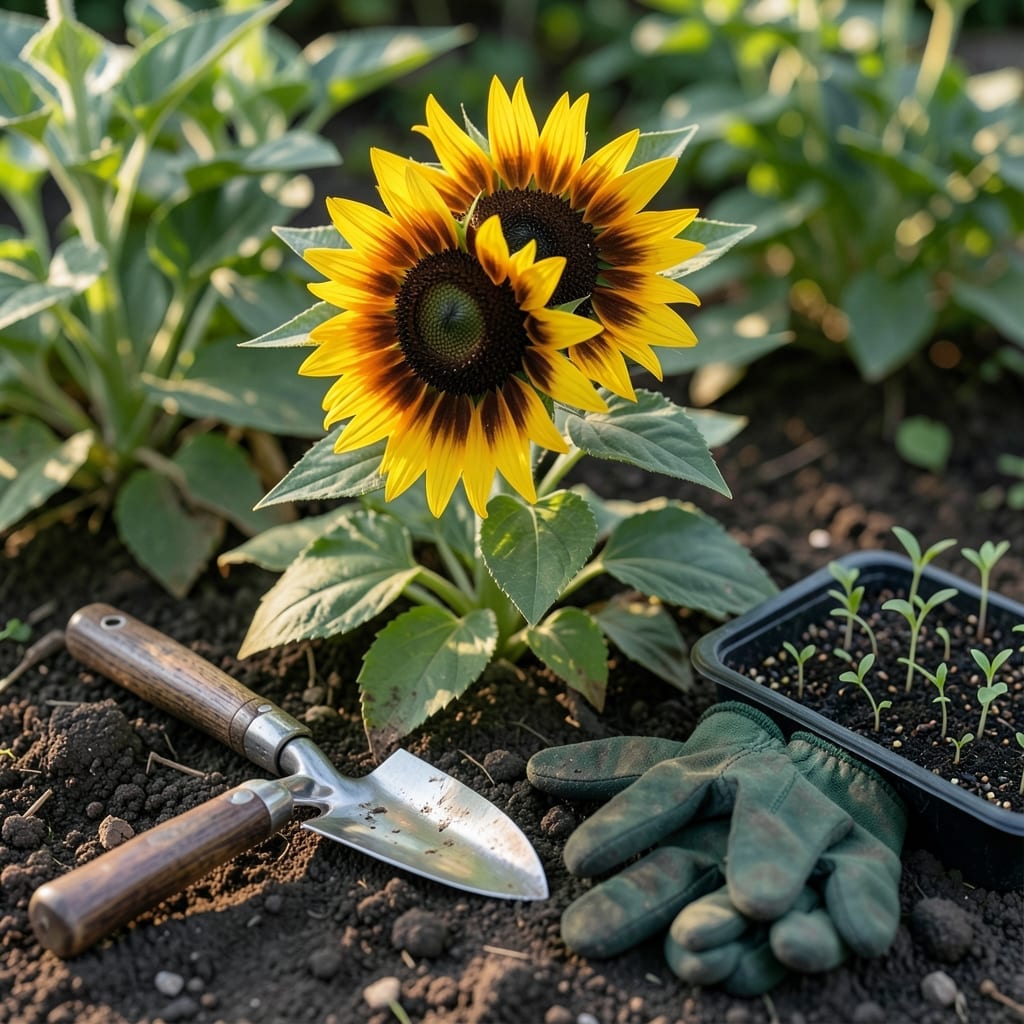
Timing is everything when planting Black Eyed Susans. Get it right, and you’ll enjoy a garden bursting with vibrant golden blooms all season long.
The 🌼 Black Eyed Susan thrives in USDA zones 3-9, with ideal planting windows in early spring or fall. Choosing the best moment ensures strong roots and abundant flowers.
Let me walk you through the key seasonal considerations and preparation tips to set your garden up for success.
For the best results with Black Eyed Susans, timing depends on your USDA zone. These hardy perennials thrive in zones 3 through 9, with slight variations in planting windows.
In cooler zones (3-5), I recommend planting in early spring after the last frost, or in early fall to establish roots before winter.
| Climate Zone | Best Planting Time | Key Consideration |
|---|---|---|
| Zones 3-4 | May or September | Avoid late fall planting |
| Zones 5-6 | April or October | Spring after last frost |
| Zones 7-9 | March or November | Fall planting ideal |
In warmer zones (6-9), you have more flexibility. I’ve found that fall planting often works better as it allows roots to establish during cooler temperatures.
The ideal soil temperature for germination is between 70-75°F. If you’re starting seeds indoors, begin about 8-10 weeks before your last expected frost date.
For direct sowing, wait until the soil has warmed to at least 60°F. In my experience, seeds sown too early in cold soil may rot or fail to germinate.
Remember that Black Eyed Susans are quite forgiving. Even if you miss the optimal window, they’ll often still thrive with proper care. Just avoid planting during extreme heat or frost.
In zone 7 and above, you can even get away with winter planting in some areas. The seeds will lie dormant and germinate when conditions are right in spring.
For the best blooms, I always recommend planting in full sun locations. These cheerful flowers need at least 6 hours of direct sunlight daily to perform their best.
Finally, consider your local microclimate. Areas near buildings or pavement may warm up faster in spring, allowing for earlier planting. Keep an eye on your specific conditions. ☀️
Starting Black Eyed Susans from seed is rewarding and straightforward. I always begin by choosing between indoor starting or direct sowing based on my climate and timing needs.
For indoor starting, I plant seeds in seed trays about 8-10 weeks before the last frost. This gives them a head start in cooler zones.
When direct sowing outdoors, I wait until the soil temperature reaches at least 60°F. This usually aligns with spring after the last frost date in my area.
I’ve found that lightly covering the seeds with soil helps protect them while still allowing light to aid germination. The seeds need light to germinate, so don’t bury them too deep.
For best results, I always plant in well-draining soil with full sun exposure. These flowers thrive in average to poor soil, but good drainage is key to preventing root rot.
Once planted, I water deeply once a week unless we’ve had significant rain. The goal is to keep the soil moist but not waterlogged during the germination period.
In my experience, mulching around the young plants helps retain moisture and suppress weeds. Just be sure to leave some space around the stems to prevent rot. 🌱