
Beautiful Plants For Your Interior
Beautiful Plants For Your Interior
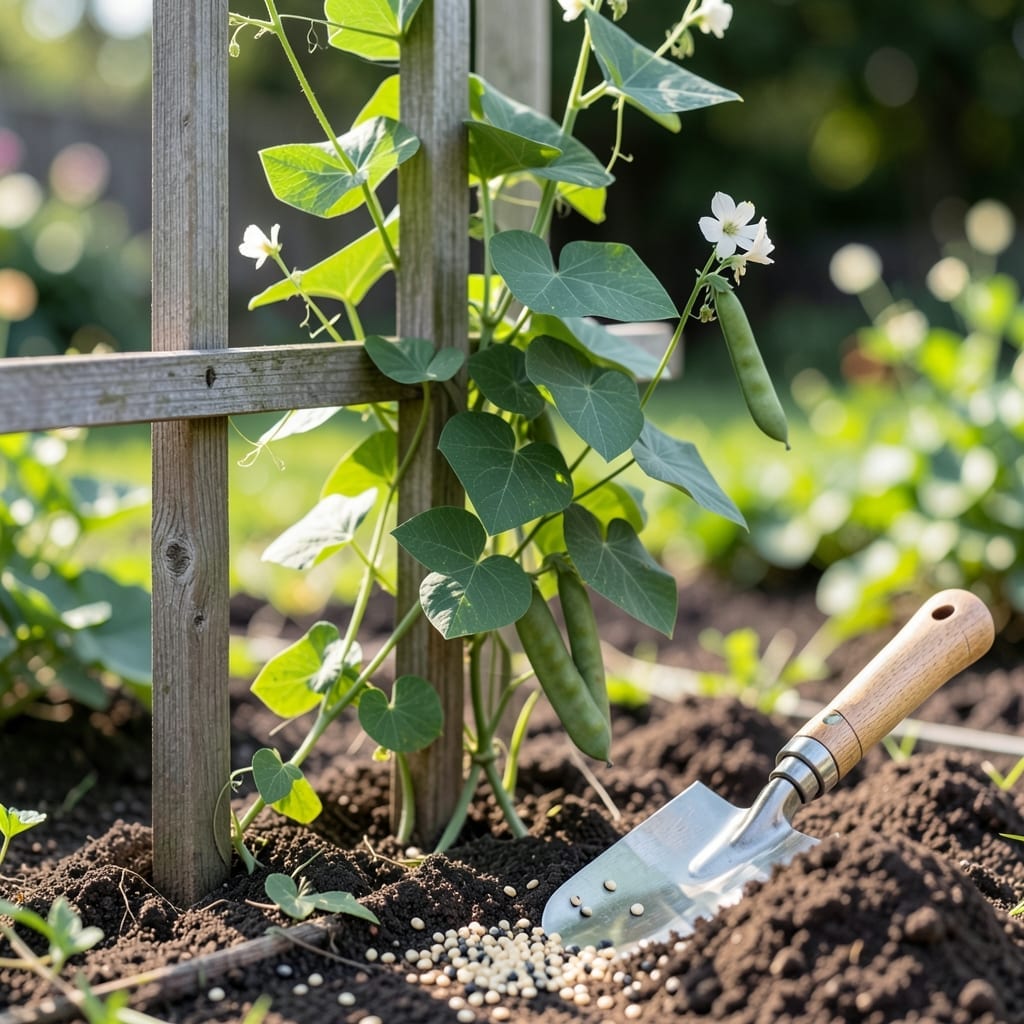
Timing is everything when growing Black Eyed Pea 🌱—plant too early and cold soil stunts growth, too late and you miss the peak harvest window.
This guide helps you nail the perfect planting schedule based on your climate zone and local conditions. Whether you’re in zone 6 or further south, the right timing makes all the difference.
I’ll break down the ideal soil temperatures, frost considerations, and seasonal cues that signal it’s time to get those seeds in the ground. No more guessing games.
Discover how to align your planting with nature’s rhythm for a bountiful harvest of these nutritious, easy-to-grow legumes.
Getting your black eyed peas in the ground at the right time is key to a bountiful harvest. These warm-season legumes thrive when soil temperatures hit at least 65°F, so timing varies by region.
In southern zones like USDA 7-11, I start planting as early as March after the last frost. Northern gardeners in zones 3-6 should wait until late April or May when the soil has warmed sufficiently.
| Climate Zone | Planting Window | Soil Temp |
|---|---|---|
| USDA 3-4 | Late May-June | 70°F+ |
| USDA 5-6 | Mid-April-May | 65°F+ |
| USDA 7-8 | March-April | 60°F+ |
| USDA 9-11 | Feb-March | 60°F+ |
For the most accurate timing, I always check my local last frost date. Plant 2-3 weeks after this date to ensure soil has warmed. In my Zone 6 garden, that means mid-April is perfect.
Soil temperature is more critical than air temperature. I use a soil thermometer to check at 4-inch depth – if it reads 60°F for several days, it’s go time. Cold soil causes poor germination and weak seedlings.
In short-season areas, starting seeds indoors isn’t recommended. Black eyed peas dislike transplanting. Instead, I use black plastic mulch to warm the soil faster for earlier planting.
For succession planting, I make a second sowing 2-3 weeks after the first. This extends my harvest window, especially in warmer zones where I can plant through early July.
Remember that microclimates matter too. South-facing slopes or urban heat islands may allow planting 1-2 weeks earlier than shaded or rural areas in the same zone.
In my experience, late plantings (after July in most zones) often result in smaller yields as cooler fall temperatures can stunt growth. The sweet spot is really that spring window when soil and air are warming up together.
Always water your seeds well after planting. I find that 1 inch of water per week keeps the soil moist but not soggy, which is ideal for germination and early growth.
With the right timing, you’ll see sprouts in 7-10 days and be harvesting those delicious peas in about 60-70 days ☀️
Before planting black eyed peas, I always check for soil readiness. The most reliable sign is temperature—these seeds need 60-65°F at 4-inch depth to germinate properly. Cold soil means poor sprouting.
A simple soil thermometer is my go-to tool. I test in the morning when temps are lowest. If it reads 60°F for 3 consecutive days, I know it’s safe to plant. Air temps can be misleading—soil is what matters.
I also look for visual cues. When weeds start sprouting vigorously, that’s nature’s sign the soil is warm enough. Dandelions blooming is another good indicator in my Zone 6 garden.
Moisture matters too. The soil should be dry enough to crumble but not dusty. I do the squeeze test: if it holds shape briefly then breaks, it’s perfect. Too wet and seeds may rot; too dry and they won’t sprout.
For early planting, I use black plastic mulch. It warms soil 3-5°F faster. I lay it down 2-3 weeks before planting. This trick lets me start 1-2 weeks earlier in spring.
Remember, black eyed peas hate soggy conditions. If your soil stays wet, consider raised beds or improved drainage. I’ve found they thrive in well-draining loam with compost mixed in. 🌱