
Beautiful Plants For Your Interior
Beautiful Plants For Your Interior
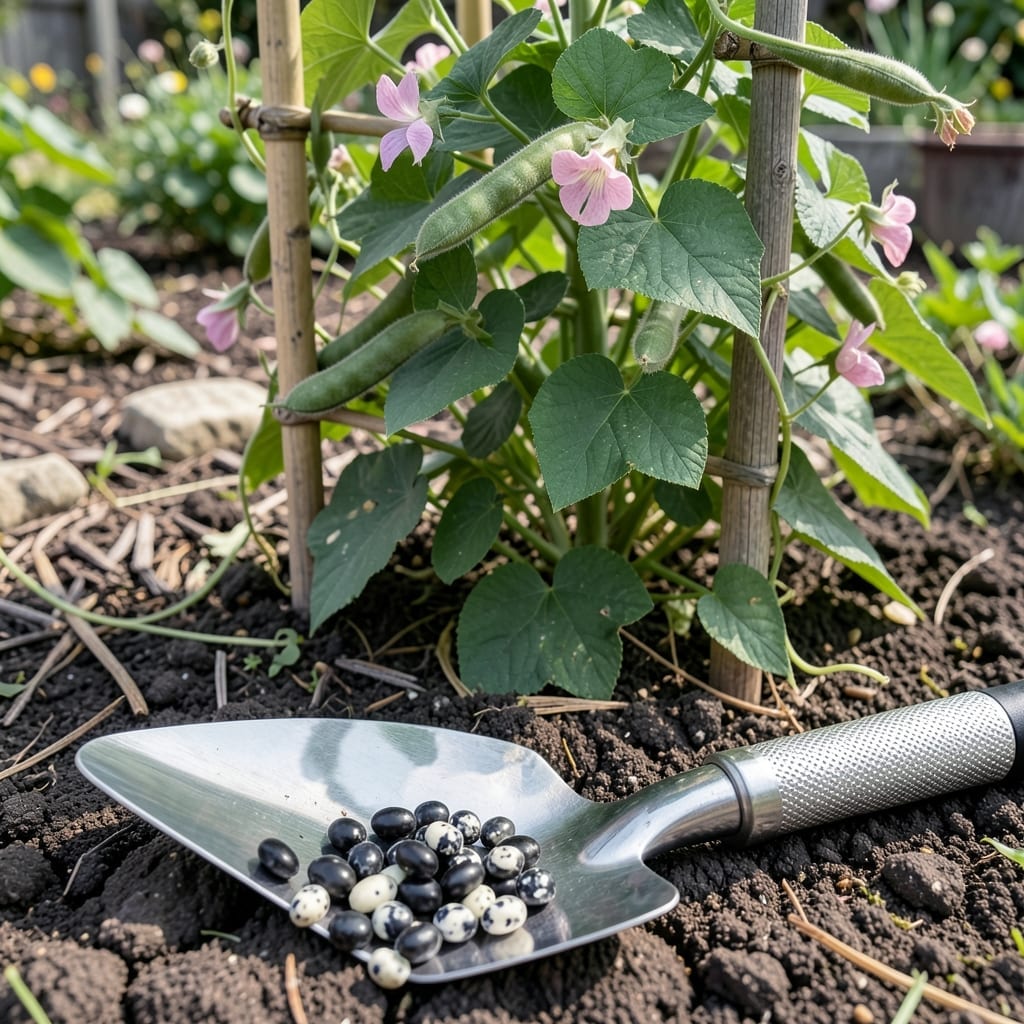
Timing is everything when planting Black Eyed Pea 🌱 in Texas—plant too early or too late, and you risk a disappointing harvest. This warm-season legume thrives in the Lone Star State’s heat.
But hitting the right window ensures strong growth and abundant pods. I’ve learned the hard way that Texas weather demands precision, especially for this heat-loving crop.
Whether you’re in North Texas or the Gulf Coast, the ideal months can vary slightly. The good news? With the right timing, you’ll be rewarded with a bountiful harvest from July to September.
Let me share the exact planting windows and regional tips to help you maximize your yield this season. It’s simpler than you think.
As a Texas gardener, I’ve learned that black eyed peas thrive when planted after the last frost, when soil temperatures hit 70°F or higher. This warm-season crop loves heat, making it perfect for our long growing season.
The Lone Star State’s size means planting times vary by region. North Texas can start in late April, while South Texas often plants as early as March. Central and East Texas typically aim for mid-April to May for best results.
| Region | Ideal Planting Window | Soil Temp |
|---|---|---|
| North Texas | Late April – Early May | 70°F+ |
| Central Texas | Mid-April – May | 70°F+ |
| South Texas | March – Early April | 75°F+ |
| East Texas | Mid-April – May | 70°F+ |
| West Texas | Late April – May | 70°F+ |
I always check the soil temperature with a thermometer before planting. If it’s below 65°F, the seeds may rot or germinate poorly. A quick test is to stick your hand in the soil—if it feels warm, it’s ready.
For extended harvests, I use succession planting. In North Texas, I’ll plant a second crop in late June for a fall harvest before the first frost in November. South Texas gardeners can often squeeze in a third planting in August.
Early planting can be risky. A late frost in North Texas can wipe out young seedlings. I wait until after April 15 in most years, unless I’m using row covers for protection. The extra warmth helps seeds sprout faster.
Late planting has its challenges too. If you plant after July in most regions, the plants may not mature before cooler weather sets in. I’ve found that June plantings in Central Texas still produce well if given enough water.
I also pay attention to variety selection. For hotter areas like West Texas, I choose drought-tolerant types like ‘Purple Hull’ or ‘Mississippi Silver’. These handle the heat better and still produce abundant pods.
Remember, black eyed peas are heat-loving plants. They’ll grow slowly in cooler weather but take off once temperatures rise. I’ve seen plants double in size during a Texas heatwave with proper watering.
Finally, keep an eye on the weather forecast. If a cold snap is predicted after planting, cover your seeds with mulch or row covers to protect them. This simple step can save your crop from an unexpected late frost. 🌱
I always start by testing my soil pH—black eyed peas prefer a range of 6.0 to 6.8. Texas soils often need a bit of lime to adjust acidity before planting. Well-draining soil is key to prevent root rot in our heavy clay areas.
Once the soil is prepped, I plant seeds 1-2 inches deep and space them 4-6 inches apart. Companion plants like corn or cucumbers help maximize space and deter pests. 🌱
I’ve found that drought-resistant varieties like ‘Cowpea’ or ‘Purple Hull’ perform best in Texas heat. These thrive even when temperatures exceed 90°F and rainfall is scarce. Always choose heat-tolerant seeds for our climate.
For watering, I stick to 1 inch per week, increasing to twice weekly during peak summer. Morning watering prevents fungal issues and gives plants time to absorb moisture before the Texas sun peaks. ☀️
If your soil is heavy clay, consider raised beds for better drainage. I’ve seen yield improvements of up to 30% in raised beds compared to in-ground planting in clay soil.
Finally, keep an eye out for pests like aphids. A simple neem oil spray every 2 weeks keeps them at bay without harming beneficial insects. Healthy plants reward you with abundant pods by mid-summer. 🌿