
Beautiful Plants For Your Interior
Beautiful Plants For Your Interior
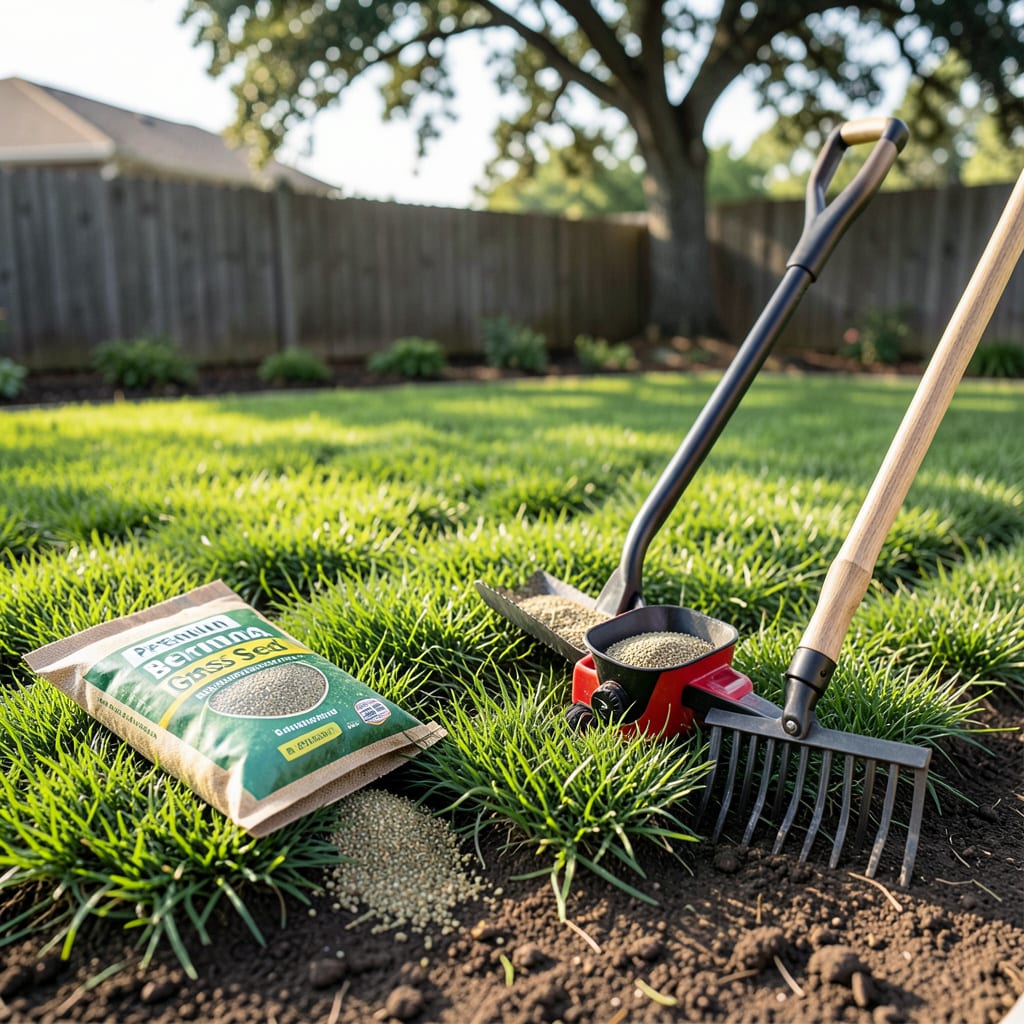
Timing your Bermuda grass planting in North Texas can mean the difference between a lush, resilient lawn and one that struggles to take root. With our region’s unpredictable weather swings—from late frosts to sudden heatwaves—knowing the exact window to sow your seed is crucial.
I’ve seen too many homeowners waste time and money by planting too early or too late. The good news? There’s a science-backed sweet spot that aligns with North Texas’s climate. Let’s break down when to plant for the best results—and why it matters more than you think.
If you’re dreaming of a lush, heat-tolerant lawn, timing your Bermuda grass seed planting is critical in North Texas. Our region’s USDA Zones 7b–8a bring hot summers and mild winters, so planting too early risks frost damage, while waiting too long invites drought stress. 🌱
The sweet spot? Aim for late spring to early summer—specifically April through June—when soil temperatures consistently hit 65–70°F. This ensures rapid germination and strong root development before the Texas heat peaks. ☀️
| Season | Ideal Months | Soil Temp | Risks |
|---|---|---|---|
| Spring | April–June | 65–70°F | Late frost (rare) |
| Early Fall | August–September | 70–75°F | Winter kill risk |
Note: Fall planting works best for sod or stolons, not seed.
For spring planting, wait until 2 weeks after the last frost (typically mid-March in Dallas/Fort Worth). Use a soil thermometer to confirm temps—don’t rely on air temperature alone. Cold soil slows germination, leaving seeds vulnerable to rot or birds. 🌡️
Fall planting is riskier but possible in August–early September. The key? Ensure seeds germinate and establish roots before the first frost (usually mid-November). I recommend sod or sprigs for fall to improve survival rates. 🪴
North Texas microclimates matter! Urban areas like Dallas or Arlington may warm up faster than rural zones, allowing earlier planting. Conversely, higher elevations near Denton might need to wait an extra week or two. Always check local soil temps. 📍
Pro tip: Avoid planting during peak summer (July–August) unless you can commit to daily watering. New seedlings struggle with 100°F+ temps and evaporative stress. If you miss the spring window, consider dormant seeding in late fall for early spring germination. 💧
Prep your soil before planting: till to 2–3 inches deep, remove debris, and level the area. Bermuda thrives in well-draining soil with a pH of 6.0–7.0. If your soil is heavy clay (common in North Texas), mix in compost or sand to improve drainage. ✂️
After planting, keep the soil consistently moist (but not soggy) for 10–14 days. Water lightly 2–3 times daily to prevent runoff. Once seedlings reach 1–2 inches tall, gradually reduce watering to encourage deep root growth. 🌿
Remember, Bermuda grass is a warm-season grass that goes dormant in winter. If you plant in fall, don’t panic when it browns—it’ll green up again in spring! For year-round green, consider overseeding with ryegrass in October. 🌱
Now that you know the best planting windows, let’s dive into the hands-on process. Planting Bermuda grass seed in North Texas requires careful soil prep and consistent follow-up. I’ll walk you through each step to ensure your lawn gets off to a strong start. 🌱
Start by testing your soil. Our North Texas clay often needs amendments. Use a soil test kit to check pH (aim for 6.0–7.0) and nutrient levels. If needed, add lime to raise pH or sulfur to lower it at least 2 weeks before planting. ✂️
Watering is critical in our hot, dry climate. For the first 2 weeks, water lightly but frequently to keep the top inch of soil moist. I recommend early morning watering (before 9 AM) to reduce evaporation and fungal risks. 💧
After germination, gradually reduce watering to deep, infrequent sessions (about 1 inch per week). This encourages deep root growth, making your lawn more drought-resistant. Use a rain gauge to track water levels accurately. ☀️
Watch for common North Texas challenges like clay soil compaction and water restrictions. If your area has watering limits, consider installing a drip irrigation system or using soil moisture sensors to optimize water use. 🌡️
Finally, be patient! Bermuda grass typically takes 7–14 days to germinate and 60–90 days to establish fully. Avoid heavy foot traffic during this time. Once established, your lawn will thrive in our Texas heat with proper care. 🌿
Even with perfect timing, small errors can sabotage your Bermuda grass seed success in North Texas. I’ve seen too many lawns struggle because of avoidable mistakes—like planting too deep or skipping soil prep. Let’s fix that before you start! ✂️
The biggest mistake? Planting seeds too deep. Bermuda grass needs light to germinate, so cover seeds with just ¼ inch of soil. Bury them deeper, and they’ll fail to sprout or grow weakly. Use a rake or drag mat for even coverage. 🌱
Quick fix: Test soil, plant shallow, and water lightly but often for 10–14 days.
Another critical error: inconsistent watering. New seeds need constant moisture for 7–14 days. Set a timer for light watering 2–3 times daily (early morning is best). Miss a day, and seeds dry out; overwater, and they drown. 💧
Don’t forget soil prep! North Texas clay soil compacts easily, suffocating roots. Till to 2–3 inches and mix in compost or sand to improve drainage. If your soil is rock-hard, rent a core aerator before planting. 🪴
Finally, avoid cheap, uncoated seed. In our hot climate, hull-free or coated seeds germinate faster and resist birds. Calculate 1–2 lbs per 1,000 sq ft for even coverage. Skimp on quality, and you’ll pay later with patchy growth. 🌿
Remember: Bermuda grass thrives on full sun (6–8 hours daily). Planting in shady spots leads to thin, weak turf. If your yard has trees, consider St. Augustine grass instead for better shade tolerance. ☀️
Bermuda grass seed thrives when soil reaches 65–70°F. In North Texas, this typically happens from April through June. Use a soil thermometer to check—air temperature alone isn’t reliable.
Fall planting is riskier but possible in August–early September. The challenge is ensuring roots establish before the first frost (usually mid-November). For better success, consider sod or sprigs instead of seed.
Keep soil consistently moist for the first 10–14 days. Water lightly 2–3 times daily (early morning is best). After germination, shift to deep, infrequent watering (about 1 inch per week).
Planting seeds too deep is the top error. Bermuda needs light to germinate, so cover with just ¼ inch of soil. Also, avoid cheap seed—hull-free or coated varieties perform better in our climate.
Our heavy clay compacts easily. Till to 2–3 inches deep, then mix in compost or sand to improve drainage. For best results, test soil pH (aim for 6.0–7.0) and adjust if needed.
