
Beautiful Plants For Your Interior
Beautiful Plants For Your Interior
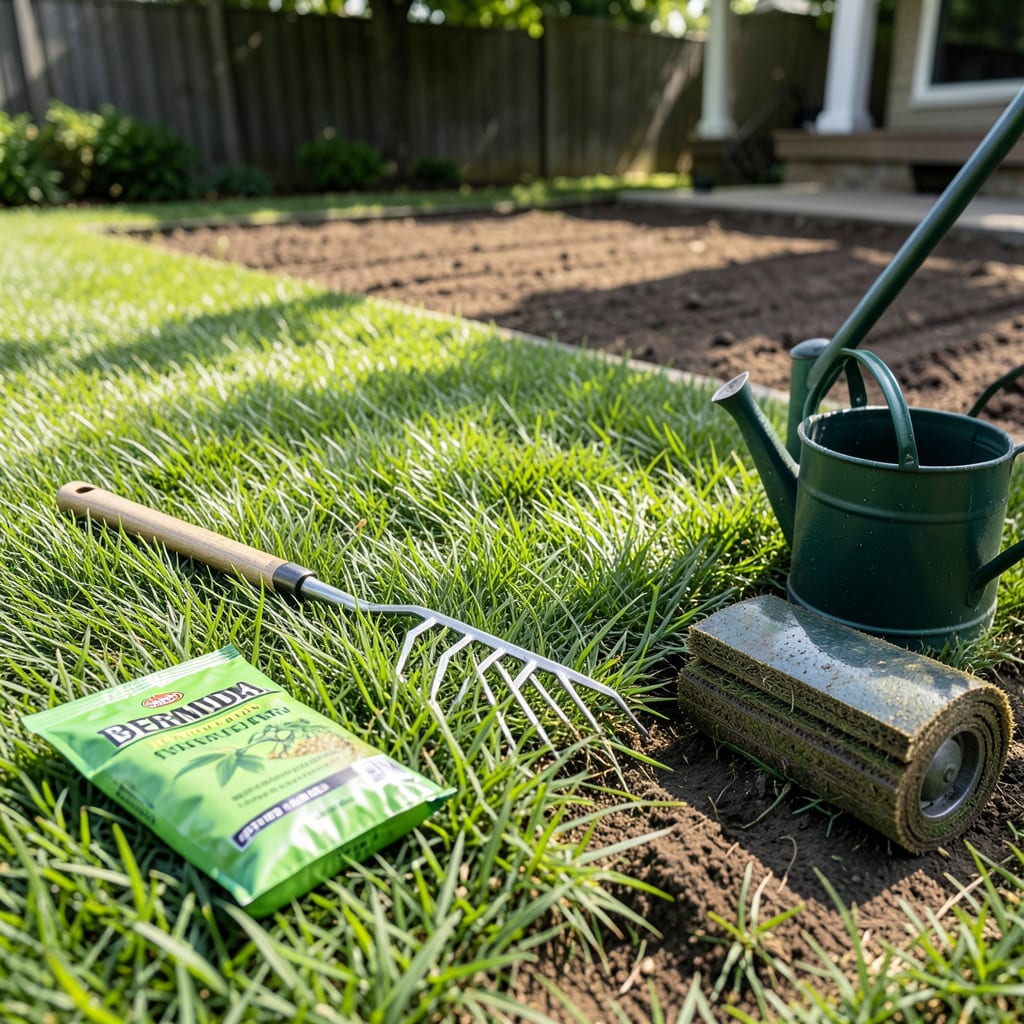
That perfect Florida lawn starts with one critical decision: when to get your Bermuda grass in the ground. Plant too early, and a surprise frost could wipe out your efforts. Wait too long, and summer’s scorching heat might stress young sprouts before they establish.
I’ve seen homeowners across Florida struggle with patchy lawns simply because they missed the ideal window. Whether you’re in frost-prone Tallahassee or balmy Miami, timing varies—and I’ll show you exactly how to nail it for your region. Let’s turn that ✂️ Bermuda Grass into a thick, envy-worthy carpet.
Florida’s diverse climate means one-size-fits-all planting advice won’t cut it for Bermuda grass. In North Florida (Panhandle to Ocala), you’re dealing with USDA zones 8a-9a, where frost can linger until mid-March. Down in South Florida (Miami to Tampa), zones 10a-11a offer nearly year-round warmth—but humidity and rain bring different challenges.
I always tell Florida gardeners: Soil temperature is your best guide. Bermuda grass seeds need consistent soil temps of 65°F+ to germinate. That means March through September is prime time, but the exact window shifts dramatically between Tallahassee and Fort Lauderdale. Let’s break it down by region.
💡 Pro Tip: In North Florida, plant 2–3 weeks after last frost (late March–April) for safest results. South Florida can plant anytime but avoids peak rainy season (June–Sept) for seeding.
If you’re in North Florida, I’d strongly recommend April through early June for planting. This gives your Bermuda grass 3–4 frost-free months to establish before winter. For Central Florida, you’ve got more flexibility—March to May is ideal, but you can push into summer if you’re watering consistently and using sod or plugs.
Down in South Florida, the rules change entirely. While you can plant year-round, I advise avoiding June through November due to hurricane season and daily thunderstorms. February to May is perfect—warm soils, lower rain, and no frost risk. If you’re sodding, early fall (September–October) also works well after storm season.
For seeding Bermuda grass, aim for soil temps above 70°F—this typically happens in late April for North Florida and March for Central/South. Use a soil thermometer (or check local ag extension data) to confirm. If you’re laying sod or plugs, you can start 2–3 weeks earlier since they’re less frost-sensitive.
One critical factor Florida gardeners overlook: humidity and rain. In South and Central Florida, June–September brings daily downpours that can wash away seeds or drown young sprouts. If you must plant in summer, opt for sod or plugs and improve drainage with sand or compost amendments.
For North Florida, the bigger risk is late-season planting. If you sow seeds after August 1, your grass may not fully establish before the first frost (mid-November). I’ve seen too many lawns turn brown because they didn’t have enough time to root deeply. Stick to spring planting up north!
No matter where you are in Florida, avoid planting during droughts or extreme heat waves (95°F+). Young Bermuda grass needs consistent moisture—not flooding, but 1 inch of water per week (including rain). Use a rain gauge to track nature’s contribution, and supplement with irrigation as needed.
Finally, if you’re unsure about your exact planting window, contact your local UF/IFAS Extension office. They offer free soil testing and hyper-local advice. For example, Jacksonville gardeners might push planting to early March, while Tampa residents should wait until late February. When in doubt, later is safer than earlier in Florida’s unpredictable springs.
Now that you know when to plant, let’s dive into how to plant Bermuda grass the right way in Florida’s unique conditions. Our sandy soils and intense sun demand special prep—skip these steps, and you’ll battle weeds, drought stress, or patchy growth all season.
First, test your soil—Florida’s native soil is often acidic (pH 5.0–6.0), but Bermuda grass thrives in pH 5.8–7.0. Grab a $10 test kit from your local garden center or send a sample to UF/IFAS Extension for free analysis. If your pH is too low, amend with lime (pelletized is easiest).
Remove all weeds, rocks, and debris. Use a non-selective herbicide (like glyphosate) 10–14 days before planting if needed. Till the soil 4–6 inches deep and rake smooth.
Mix in 2–3 inches of compost or sandy loam to improve water retention. For poor-draining areas, add coarse sand (not beach sand!) to prevent pooling.
Apply a starter fertilizer (like 16-4-8 or 30-0-4) at 1 lb nitrogen per 1,000 sq ft. Work it into the top 2–3 inches of soil before seeding or sodding.
Seeding: Broadcast 1–2 lbs per 1,000 sq ft, lightly rake, then cover with ¼ inch of soil. Sodding: Lay pieces tightly in a staggered pattern, like bricks. Plugging: Space plugs 12–18 inches apart.
Keep soil moist but not soggy for 2–3 weeks. Water lightly daily (or twice daily in heat) until germination, then 1 inch per week. Use a rain gauge to track moisture.
Once grass reaches 3–4 inches, mow to 1–1.5 inches. Avoid heavy foot traffic for 6–8 weeks. Apply post-emergent herbicide after 4 mowings to control weeds.
For seeding success, I recommend using a slit seeder or overseeding with a broadcast spreader for even coverage. If you’re sodding, lay pieces immediately after delivery to prevent drying out. In South Florida’s humidity, sod can root in as little as 7–10 days with proper watering.
Florida’s sandy soil drains fast, so mulching with straw (not hay) helps retain moisture for seeds. Apply a thin layer (¼ inch) to prevent erosion but avoid smothering sprouts. Remove mulch once grass reaches 2 inches tall to allow sunlight penetration.
If you’re planting in summer, adjust your schedule: water early morning (4–6 AM) to reduce evaporation and fungal risks. In North Florida, fall planting (September) requires less water but more vigilance against armyworms and sod webworms.
For long-term success, test your irrigation system before planting. Use rotary or gear-driven sprinklers for even
Even with perfect timing, Florida gardeners often sabotage their Bermuda grass by making preventable errors. I’ve seen lawns struggle because of simple oversights—like planting during hurricane season or drowning sprouts with too much water. Let’s fix these before they wreck your lawn.
One of the biggest mistakes? Ignoring Florida’s microclimates. What works in Miami (Zone 11a) won’t fly in Tallahassee (Zone 8a). For example, South Florida can plant year-round, but North Florida must avoid late fall planting due to frost risks after November 15.
High winds and torrential rains can wash away seeds or uproot new sod. In South Florida, aim for February–May instead. If you must plant in summer, use sod or plugs and secure them with landscape staples.
Florida’s humidity means less is more. New Bermuda grass needs 1 inch of water per week (including rain), but daily watering promotes fungal diseases like dollar spot. Use a rain gauge and water only when the top ½ inch of soil is dry.
Florida’s native soil is nutrient-poor and fast-draining. Always mix in 2–3 inches of compost or peat moss before planting. For compaction issues, till in coarse sand (not beach sand!) to improve drainage and root penetration.
‘Celebration’ tolerates shade but needs more water, while ‘TifTuf’ resists drought but struggles in low light. For North Florida, choose cold-hardy varieties like ‘Latitude 36’. In South Florida, ‘CitraBlue’ handles heat and humidity well.
Bermuda grass is a heavy feeder. Apply a starter fertilizer (16-4-8) at planting, then follow up with high-nitrogen feed (30-0-4) every 6–8 weeks. In South Florida, reduce nitrogen in summer to avoid burn, but keep up with iron supplements for deep green color.
Another critical mistake is planting too late in North Florida. If you sow seeds after August 1, your grass may not establish before the first frost (mid-November). I’ve seen lawns turn brown because they didn’t have enough time to develop deep roots. Stick to spring planting up north!
For Central Florida gardeners, the biggest pitfall is ignoring afternoon thunderstorms. If you plant in June–September, seeds can wash away in daily downpours. Opt for sod or plugs during these months, or plant in early spring (March–April) to avoid the rain.
Finally, don’t forget about pest pressure. Florida’s warm climate means armyworms, sod webworms, and chinch bugs are always lurking. Apply a pre-emergent herbicide after your 4th mowing to keep weeds at bay, and monitor for pests weekly during the first 60 days.
✂️March through May is ideal for Central Florida (Orlando/Tampa). This window avoids both frost risks and peak rainy season. Soil temps hit the 65°F+ sweet spot for germination, and you’ll get 3-4 months of establishment before summer stress.
Yes, but it’s not optimal. While South Florida’s zone 10b-11a has no frost, cooler winter temps slow growth. February-March planting gives better results as soil warms up. If planting in December, use sod or plugs for faster establishment.
Use a soil thermometer at 2-inch depth – Bermuda grass needs 65°F+ for 5+ consecutive days. In North Florida, this typically happens in late April; Central Florida reaches it by mid-March. Your local UF/IFAS extension office also provides real-time soil temp data.
Sod wins for Florida’s conditions. Our intense rains (June-Sept) often wash away seeds, and sandy soil dries out quickly. Sod establishes in 2-3 weeks vs 6-8 weeks for seed, with better weed resistance. Save seeding for small repairs or if you’re on a tight budget.
Planting too late in the season. Many wait until August-September, but North Florida’s first frost (Nov 15) arrives before grass fully establishes. Stick to April-June planting to give your lawn 6+ months of frost-free growth before winter.
