
Beautiful Plants For Your Interior
Beautiful Plants For Your Interior
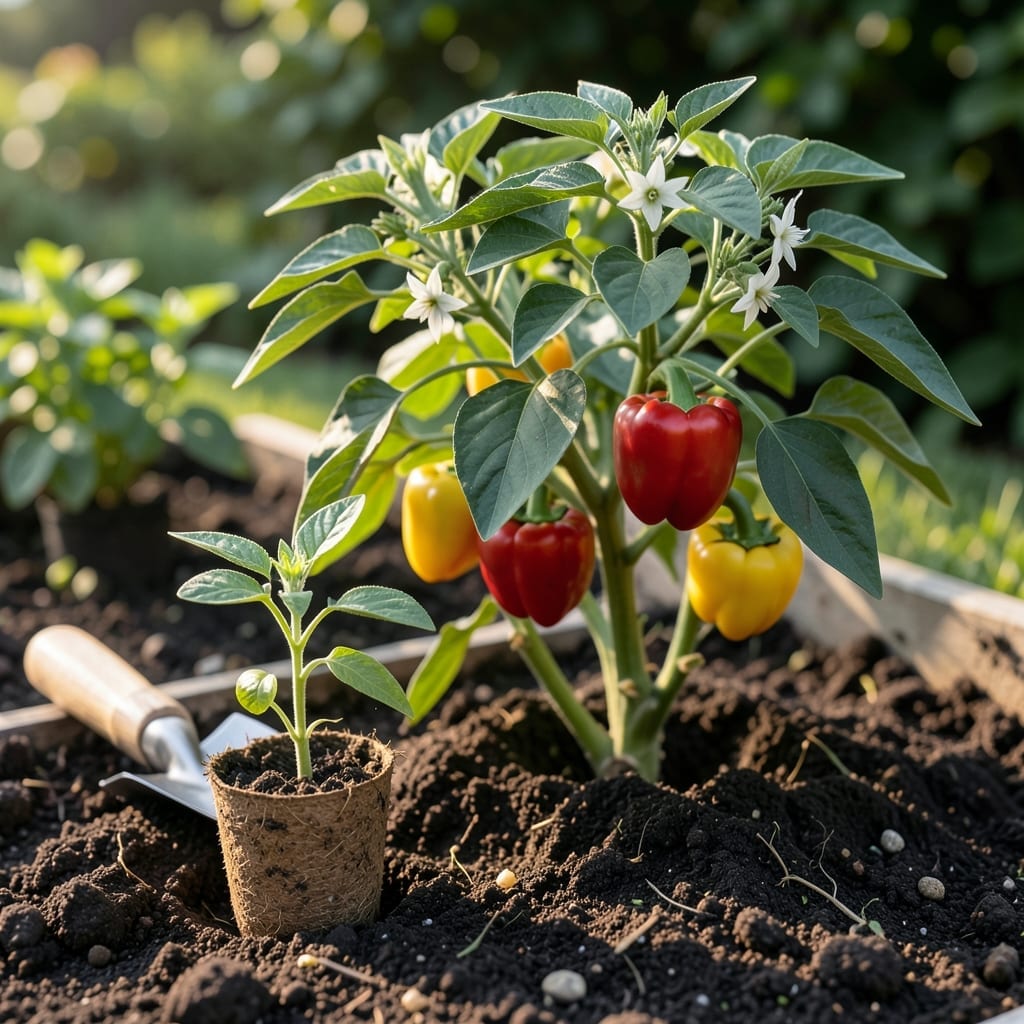
Timing is everything when growing Bell Pepper 🌶️ in Southern California’s unique climate. Plant too early, and cold soil stunts growth; plant too late, and scorching heat can ruin your harvest.
I’ve learned the hard way that this region’s mild winters and hot summers demand precision. The difference between a thriving garden and a disappointing one often comes down to a few weeks.
Southern California’s long growing season gives you flexibility, but there’s a sweet spot for success. You’ll want to aim for that perfect window when the soil is warm enough to nurture those tender seedlings.
Let me show you exactly when to get those 🌶️ plants in the ground for the biggest, most flavorful harvests from May through October.
Southern California’s diverse microclimates mean planting times vary from coastal to desert regions. I’ve found that coastal areas can start seeds indoors as early as January, while inland valleys should wait until February or March for best results.
The key is soil temperature—bell peppers need 70-80°F to germinate properly. In desert zones, I recommend waiting until late March to avoid heat stress on young plants. Frost risk is minimal, but cold snaps can still harm seedlings.
| cell has-text-color” data-color=”#6fd544″ style=”color:#6fd544;text-align:center;vertical-align:middle”>Start Indoors | cell has-text-color” data-color=”#6fd544″ style=”color:#6fd544;text-align:center;vertical-align:middle”>Direct Sow |
|---|---|
| cell” style=”text-align:center;vertical-align:middle”>January | cell” style=”text-align:center;vertical-align:middle”>April |
| cell” style=”text-align:center;vertical-align:middle”>February | cell” style=”text-align:center;vertical-align:middle”>April-May |
| cell” style=”text-align:center;vertical-align:middle”>February | cell” style=”text-align:center;vertical-align:middle”>March |
I always use a soil thermometer to check conditions before planting. If the soil is below 60°F, I wait or use black plastic mulch to warm it up faster. This simple step can boost germination rates significantly.
For transplants, I harden them off for 7-10 days before moving them outside. This prevents shock from sudden temperature changes. Even in warm SoCal, cold nights can still be a problem in early spring.
In coastal areas, the marine layer can keep mornings cool. I plant in raised beds here because they warm up faster than in-ground soil. The extra height also improves drainage, which is crucial for peppers.
For inland gardeners, I recommend starting seeds indoors under grow lights. This gives you a head start before the last frost date—though in most of SoCal, frost is rare after January. Still, it’s better to be safe.
If you’re in the desert, you’ll need to watch for heat waves. I’ve learned to plant in partial shade during peak summer or use shade cloth to protect plants. Morning sun is ideal for peppers in these areas.
Remember, consistent watering is key after planting. I water deeply 2-3 times per week for the first month, then adjust based on rainfall. Drip irrigation works best to keep foliage dry and prevent disease.
Finally, I’ve found that mulching with straw helps maintain soil moisture and temperature. It’s a simple trick that makes a big difference in Southern California’s variable climate. ☀️
Southern California’s warm climate demands smart soil prep for bell peppers. I always start by warming the soil with black plastic a few weeks before planting to hit that 70-80°F sweet spot for roots.
Choosing heat-tolerant varieties like ‘Ace’ or ‘Jupiter’ gives your plants a fighting chance against summer scorchers. Shade cloth can be a lifesaver during peak heatwaves to prevent wilting.☀️
I’ve learned the hard way that clay-heavy soil in some SoCal areas can suffocate roots. Mixing in coarse sand or perlite improves drainage. Always plant in raised beds if your soil is poor.
Blossom end rot is a common issue here. To avoid it, I maintain consistent moisture and add calcium-rich amendments like crushed eggshells or gypsum at planting time.
For seedling protection, I use row covers early in the season to shield from unexpected cold snaps. Once temperatures stabilize above 60°F at night, they’re safe to remove.
Remember, morning watering is key in this climate. It allows foliage to dry before evening humidity sets in, reducing disease risk. I also space plants 18-24 inches apart for good airflow.🌱