
Beautiful Plants For Your Interior
Beautiful Plants For Your Interior
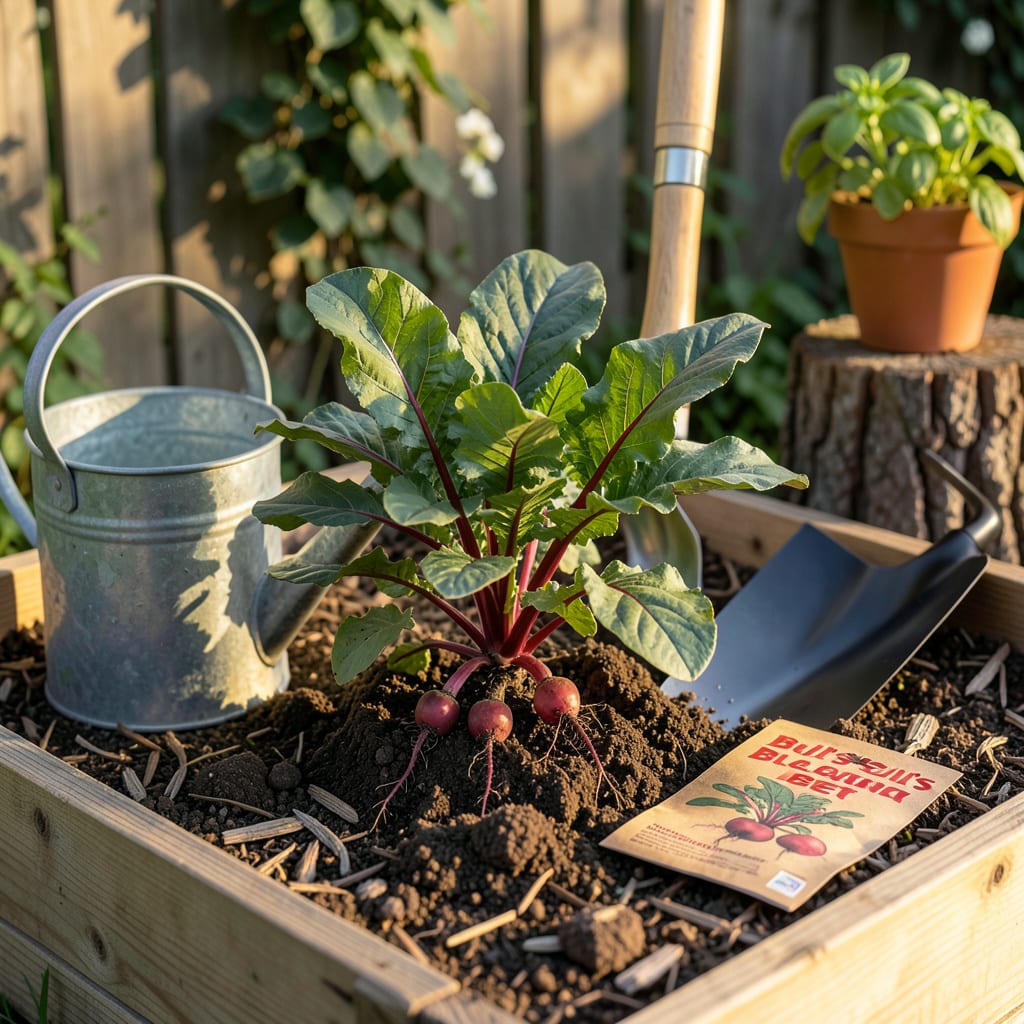
Georgia’s heat can turn sweet beets into bitter disappointments—unless you nail the timing. I’ve seen gardeners struggle with woody roots or premature bolting simply because they planted at the wrong time of year.
The good news? With the right schedule, you can grow tender, flavorful 🥕 beets almost year-round in zones 7b-9a. I’ll break down the exact windows for spring and fall planting, plus the climate tricks that make all the difference. Let’s get your harvest on track.
If you’ve ever bitten into a homegrown beet only to find it tough or bitter, chances are the timing was off. Georgia’s diverse climate zones—ranging from mountainous 6a to coastal 9a—mean planting windows vary dramatically. The key is working with your last frost date and soil temperature, not just the calendar.
In North Georgia (Zones 6a-7a), beets thrive when sown 4 weeks before your last frost—typically mid-March to early April for spring. South Georgia (Zones 8a-9a) gardeners can start as early as late February, thanks to milder winters. But here’s the secret: fall plantings often outperform spring crops in Georgia’s heat.
| Zone | Spring Planting | Fall Planting | Notes |
|---|---|---|---|
| 6a-7a (North GA) |
March 15–April 10 | Aug 15–Sept 15 | Avoid late spring plantings—heat causes bitterness. |
| 7b-8a (Central GA) |
Feb 20–March 20 | Aug 1–Sept 10 | Succession plant every 2 weeks for continuous harvest. |
| 8b-9a (South GA) |
Feb 1–March 1 | July 15–Aug 30 | Shade cloth helps extend spring crops into May. |
Fall planting is where Georgia gardeners really shine. Sow seeds 6–8 weeks before your first frost—that’s late August to mid-September for most of the state. Why? Cooler temps reduce bolting and sweeten the roots. I’ve found fall-beets often taste better than spring crops because they mature in milder weather.
Soil prep matters just as much as timing. Beets crave loose, well-draining soil with a pH of 6.0–7.0. If your Georgia clay is heavy, mix in compost or sand before planting. Avoid fresh manure—it can cause forked roots. A 1-inch layer of mulch helps retain moisture in our hot, dry spells.
For spring crops, aim to harvest before temperatures exceed 75°F. Beets planted after April 15 in most zones risk turning woody or bitter. If you miss the window, try shade cloth to extend the season by 2–3 weeks. I’ve had success with ‘Detroit Dark Red’—it handles heat better than most varieties.
Succession planting is your best friend in Georgia. Sow a new row every 2–3 weeks until mid-May for spring, or early October for fall. This staggers your harvest and prevents gluts. Thin seedlings to 3–4 inches apart—crowding leads to small, tough roots. Use the thinnings in salads!
Watch for pests like leaf miners in late summer. Row covers or companion planting with onions or garlic can deter them. If fleas beetles strike, a light dusting of diatomaceous earth works wonders. Avoid pesticides—beets are fast growers, and chemicals can linger.
Watering consistency is critical, especially in Georgia’s unpredictable rain. Aim for 1 inch per week, including rainfall. Drip irrigation is ideal—it keeps foliage dry (reducing disease) and delivers water directly to roots. If hand-watering, do it in the early morning to minimize evaporation.
Finally, don’t forget to test germinating old seeds! Beet seeds stay viable for 2–3 years, but if you’re unsure, wrap 10 seeds in a damp paper towel and check for sprouts in 5–7 days. If fewer than 70% germinate, buy fresh seeds. Trust me—skipping this step can lead to patchy rows and wasted space.
Even with perfect timing, a few common mistakes can ruin your Georgia beet crop. I’ve seen gardeners end up with bitter, woody roots or stunted plants simply by overlooking key details. Let’s tackle the top 3 pitfalls—and how to sidestep them for sweeter, healthier beets.
The first blunder? Planting in summer heat. Georgia’s July and August temps (often 90°F+) force beets to bolt prematurely or develop tough, fibrous roots. If you miss the spring window, wait for fall planting—or use 30% shade cloth to cool the soil.
Fix It Fast: Mulch heavily to cool soil, thin seedlings to 3–4″, and water 1″ per week (including rain).
Next up: ignoring soil pH and texture. Georgia’s clay-heavy soil can stunt beet growth and cause forked roots. Test your soil—beets thrive in pH 6.0–7.0. If your soil is too acidic, add lime; if it’s alkaline, mix in pine needles or sulfur.
For compacted soil, work in 2–3 inches of compost or aged manure before planting. Avoid fresh manure—it introduces too much nitrogen, leading to lush tops but tiny roots. I like blending in perlite or sand to improve drainage, especially in low-lying areas prone to flooding.
Finally, skipping succession planting means missing out on months of harvests. Instead of sowing all seeds at once, plant a new row every 2–3 weeks until mid-May (spring) or early October (fall). This ensures a steady supply and prevents gluts. Thin seedlings to 3–4 inches apart—crowding stresses plants and invites pests.
Watch for pest pressure in late summer. Leaf miners leave squiggly trails in foliage, while flea beetles create tiny shot holes. Combat them with floating row covers or by interplanting onions/garlic. For severe infestations, spinosad spray (organic) works well—just avoid spraying within 3 days of harvest.
Lastly, don’t neglect watering consistency. Georgia’s unpredictable rain means you can’t rely on nature. Use a rain gauge to track moisture, and supplement with drip irrigation if rainfall drops below 1 inch weekly. Morning watering reduces evaporation and fungal risks. Mulch with straw to retain moisture and keep roots cool.
Not all beets thrive in Georgia’s humid heat and clay-heavy soil. After testing dozens of varieties, I’ve found the top performers that resist bolting, tolerate drought, and deliver sweet, tender roots. Let’s dive into the best picks for your zone—and how to plant them for success.
For reliability and heat tolerance, you can’t beat ‘Detroit Dark Red’. This classic variety handles Georgia’s spring swings and fall warmth without turning woody. It matures in just 55–60 days, making it ideal for succession planting. Sow seeds ½ inch deep and 1 inch apart, thinning to 3–4 inches once true leaves appear.
Pros: Heat-tolerant, 55-day harvest, classic flavor.
Cons: Needs consistent water to avoid cracking.
Pros: Mild, sweet with striped interiors.
Cons: Slower (60 days) in cool springs.
Pros: Fast (45 days), great for fall crops.
Cons: Smaller roots; harvest promptly.
For a gourmet twist, try ‘Chioggia’ (aka candy-stripe beets). Its mild, nutty flavor shines in Georgia’s fall gardens, and the pink-and-white rings add visual appeal. This variety prefers cooler temps, so plant it August–September for a October harvest. Pair it with lettuce or radishes to deter pests.
‘Early Wonder’ is my go-to for quick harvests. Ready in just 45 days, it’s perfect for late-fall plantings or early spring in South Georgia. The roots stay tender even at 2 inches wide, but harvest promptly—overmature beets turn fibrous. I like to interplant with onions to repel leaf miners.
No matter the variety, companion planting boosts success. Beets grow well with lettuce, onions, and brassicas, which help deter pests like flea beetles. Avoid planting near pole beans—they can stunt beet growth. For container gardening, choose shallow-rooted varieties like ‘Babybeat’ and use pots at least 8 inches deep.
When planting, soak seeds for 12 hours to soften their hard seed coats—this improves germination in Georgia’s warm soil. Space rows 12–18 inches apart for easy access. After sowing, cover seeds with ½ inch of compost (not heavy soil) to prevent crusting. Water gently but keep soil moist until sprouts appear in 7–14 days.
For organic pest control, sprinkle diatomaceous earth around seedlings to deter slugs and flea beetles. If leaf miners appear, remove affected leaves immediately and apply neem oil spray at dusk. Rotate crops yearly to prevent soil-borne diseases like scab, which thrives in Georgia’s humid summers.
🌱Not quite, but you can get close! Beets thrive in spring (Feb–April) and fall (Aug–Oct). Summer’s extreme heat makes them bolt or turn bitter, while winter frosts halt growth. Focus on these two seasons for the best results.
Check for 1–3 inch roots peeking above the soil and vibrant 6–8 inch leaves. Gently brush away soil to confirm size. Harvest promptly—overgrown beets become woody and lose sweetness.
Planting too late in spring! Beets sown after mid-April often struggle with heat stress, leading to bitter, tough roots. Stick to early spring or fall plantings for tender, flavorful harvests.
North Georgia (Zones 6a–7a) should plant March 15–April 10 for spring, while South Georgia (Zones 8b–9a) can start as early as February 1. Fall plantings also vary by 2–3 weeks.
Yes! Choose a 8+ inch deep container and a compact variety like ‘Babybeat’. Ensure 6+ hours of sun daily and keep soil moist. Thin seedlings to 2–3 inches apart for best results.
