
Beautiful Plants For Your Interior
Beautiful Plants For Your Interior
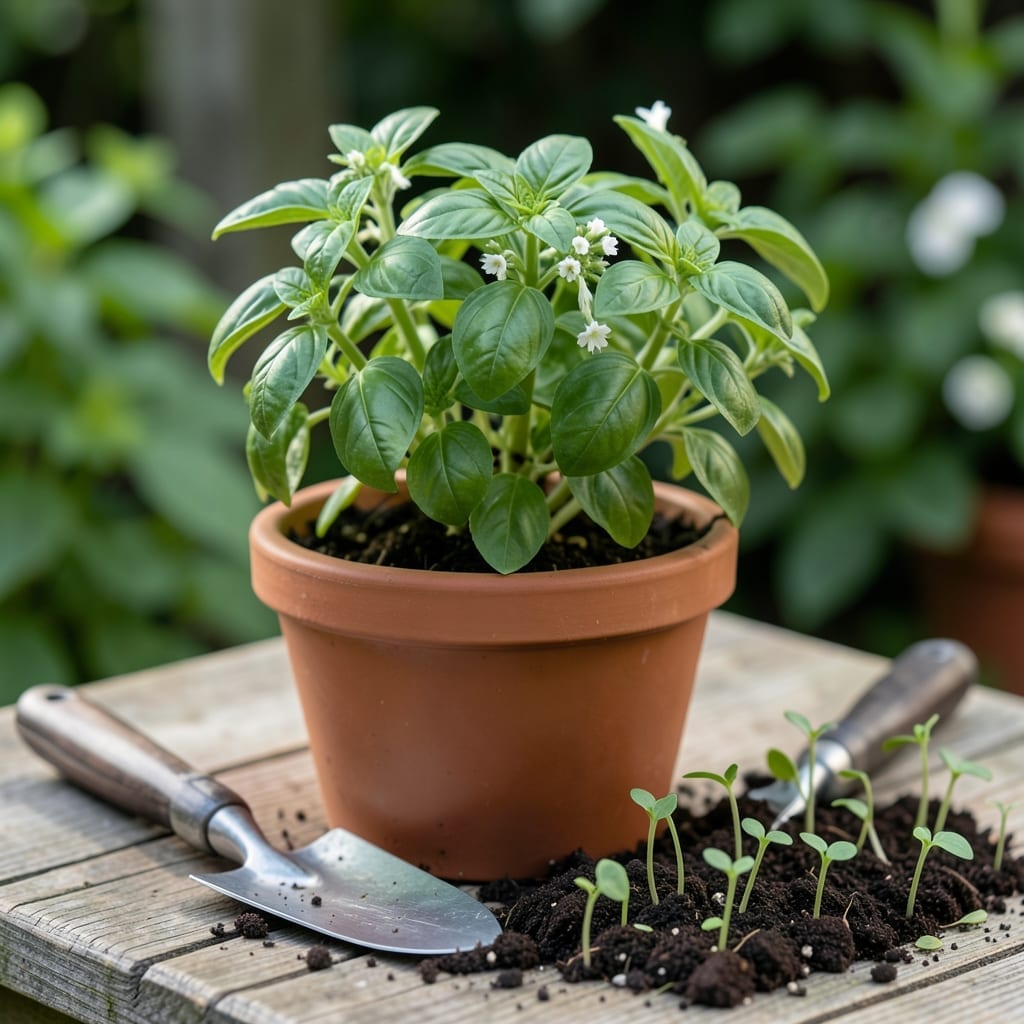
Timing is everything when it comes to planting 🌿 Basil in Pennsylvania. Plant too early, and frost will kill your seedlings; plant too late, and you’ll miss the peak growing season.
In our 6b zone, getting this right means the difference between a thriving herb garden and a disappointing harvest. The good news? There’s a sweet spot that ensures your plants flourish.
I’ve tested the timing myself, and what I’m about to share will take the guesswork out of your planting schedule. Whether you’re a seasoned gardener or just starting, this timing is the key.
Let me show you exactly when to get your Basil in the ground for the best results. You’ll be harvesting fresh leaves in no time.
In Pennsylvania, the ideal time to plant basil outdoors is after the last spring frost, which typically falls around May 15. This ensures your seedlings won’t be damaged by unexpected cold snaps.
Soil temperature is key—basil thrives when the soil is at least 70°F. In cooler regions like eastern PA, you may need to wait until late May or early June.
| Planting Factor | Pennsylvania Details |
|---|---|
| Last Frost Date | May 15 (varies by region) |
| Soil Temperature | 70°F or warmer |
| Best Months | May to June |
| Sunlight Needs | 6-8 hours daily |
| Regional Tip | Western PA warms faster |
For early starts, sow basil seeds indoors 6-8 weeks before the last frost. This gives your plants a head start, especially in Zone 6b areas like Philadelphia or Pittsburgh.
If you’re transplanting seedlings, harden them off for 7-10 days before moving them outside. This reduces shock and helps them adapt to outdoor conditions.
Succession planting is a great way to extend your basil harvest. Plant a new batch every 2-3 weeks through early summer for continuous fresh leaves.
In urban areas or containers, monitor soil moisture closely. Basil in pots dries out faster, so daily checks may be needed during hot spells.
If you’re in southern PA, you can often plant basil a week or two earlier than in the northern mountains. Always check your local frost dates for precision.
For organic gardeners, amending soil with compost before planting boosts nutrient content and improves drainage, which basil loves.
Remember, basil hates cold. If a late frost is forecasted after planting, cover seedlings with frost cloth or bring containers indoors overnight.
With the right timing, you’ll enjoy fresh basil from July through September, perfect for garden-to-table enjoyment. 🌿
I always start by prepping the soil for basil in Pennsylvania. This herb thrives in well-draining soil rich in organic matter. Mix in compost before planting to boost fertility.
For best results, ensure your garden gets 6-8 hours of direct sunlight daily. Basil loves heat, so a south-facing spot is ideal in PA’s climate.
You can start basil seeds indoors 6-8 weeks before the last frost (around May 15 in PA). This gives seedlings a head start before transplanting outdoors.
For container growing, choose pots at least 12 inches deep with drainage holes. Urban gardeners will find this method works well on balconies or patios.
When transplanting, space basil plants 12-18 inches apart. This allows for good air circulation and prevents overcrowding as they mature.
With proper preparation, your PA basil will grow vigorously and reward you with abundant leaves all season long 🌿