
Beautiful Plants For Your Interior
Beautiful Plants For Your Interior
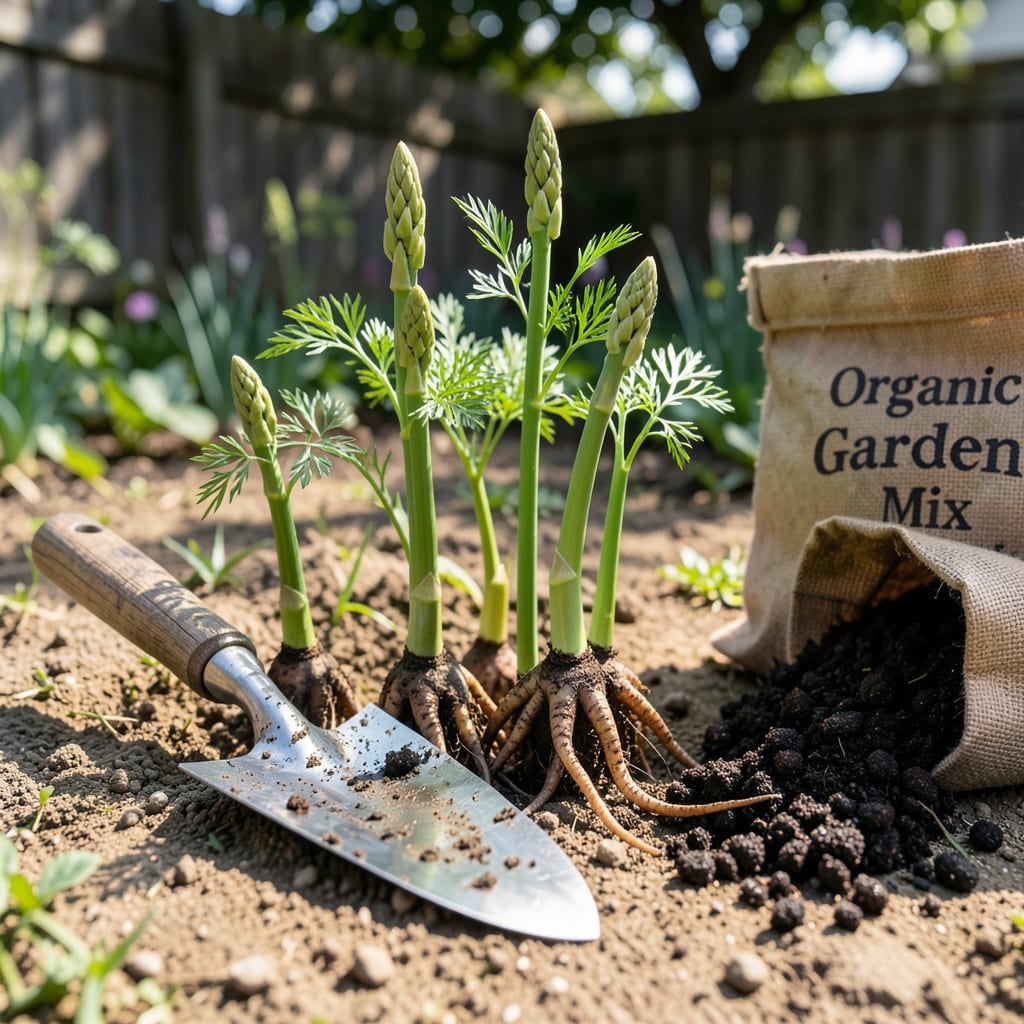
Timing your asparagus planting in Michigan can make or break your harvest for years. Plant too early, and late frosts might wipe out your efforts. Wait too long, and you’ll miss the perfect window for strong root growth before summer heat arrives.
After testing different approaches in my own garden, I’ve found the sweet spot—one that balances soil warmth, frost risk, and Michigan’s unpredictable spring swings. Let me show you exactly when to get those crowns in the ground for the best results, no guesswork required.
Michigan’s climate varies dramatically from the Upper Peninsula to the Southern Lower Peninsula, meaning your planting window isn’t one-size-fits-all. The key is waiting until soil temperatures hit at least 50°F—usually 2–3 weeks before your last frost date.
In the southern regions (Zones 5–6), you can often plant as early as mid-April, while northern gardeners (Zones 4–5) should wait until early May to avoid frost damage. I’ll break down the exact timing by region so you don’t have to guess.
| Region | USDA Zone | Ideal Planting Window | Last Frost Date | Soil Temp Target |
|---|---|---|---|---|
| Upper Peninsula | 4–5 | May 1–May 15 | May 20–June 1 | 50°F+ |
| Northern Lower Peninsula | 4–5 | April 20–May 5 | May 10–May 20 | 50°F+ |
| Southern Lower Peninsula | 5–6 | April 1–April 20 | April 25–May 10 | 50°F+ |
If you’re in Zone 6 (like Detroit or Grand Rapids), you can push your planting date to early April if the soil is workable. But in colder zones, like Marquette (Zone 4), waiting until mid-May ensures your crowns won’t succumb to a late freeze.
Pro tip: Use a soil thermometer to check temps at 6–8 inches deep—this is where asparagus roots will grow. If it’s still below 50°F, hold off. Patience here means stronger plants later.
For asparagus seeds, start them indoors 12–14 weeks before your last frost date. Transplant seedlings only after all frost risk has passed and soil is at least 60°F. Most Michigan gardeners skip seeds and opt for 1-year-old crowns—they establish faster.
Watch the 10-day forecast before planting. If nighttime temps will dip below 32°F, delay planting or use row covers to protect young shoots. A sudden cold snap can set back your asparagus for the entire season.
In heavy clay soil (common in parts of Michigan), amend your beds with compost or sand to improve drainage. Asparagus hates wet feet, so raised beds can be a game-changer in poorly draining areas.
Once planted, mulch with straw or shredded leaves to keep soil temps steady. This is especially helpful in Michigan’s unpredictable springs, where a warm week can be followed by a surprise frost.
Remember: Asparagus is a long-term investment. Proper timing now means 8–10 years of harvests from a single planting. Rush it, and you might lose a season—or worse, the whole bed.
For the most accurate local data, check your county’s MSU Extension office or use the Michigan Enviroweather tool to track soil temps in real time. Your future self (and your taste buds) will thank you!
🌱Planting asparagus crowns in Michigan isn’t just about timing—it’s about preparation and precision. I’ve learned through trial and error that cutting corners here leads to weak plants and disappointing harvests. Let’s walk through the exact steps I use for thriving asparagus beds.
Start by choosing a sunny location with at least 6-8 hours of direct sunlight daily. Asparagus is a long-term crop, so pick a spot where it can grow undisturbed for 8-10 years. Avoid areas with standing water after rain—this plant despises soggy roots.
One critical mistake I see Michigan gardeners make is planting crowns too shallow. Remember, asparagus roots grow deeply—your initial 2-inch soil covering will eventually become 6-8 inches as you fill the trench during the growing season.
For watering, keep soil consistently moist but not waterlogged during the first 6 weeks. After that, 1-2 inches per week is ideal. I use a soaker hose to deliver water directly to roots while keeping foliage dry—this prevents fungal diseases common in Michigan’s humid summers.
Don’t expect to harvest in the first year! Let plants establish by allowing all spears to grow into ferny foliage. This builds the root system for future harvests. In year two, you can take a light harvest (2-3 weeks), but wait until year three for full production.
In Michigan’s clay-heavy soils, I recommend adding gypsum (1 lb per 10 ft²) when preparing beds. This improves soil structure without altering pH. Also, consider planting in raised beds if your native soil drains poorly—the extra warmth helps crowns establish faster in our cool springs.
Mark your calendar for early spring fertilization each year. Apply a balanced 10-10-10 fertilizer (1 cup per 10 ft²) just as new shoots emerge. After harvest, side-dress with compost to replenish nutrients for next year’s growth.
🌱Not all asparagus varieties thrive equally in Michigan’s climate. After testing several types in my own garden, I’ve found that cold-hardy varieties perform best across our diverse zones. The right choice can mean earlier harvests and longer production seasons.
Michigan’s short growing season demands varieties that tolerate temperature swings. I focus on all-male hybrids like ‘Jersey Giant’ because they produce 2-3 times more spears than female plants and resist common diseases better.
| Variety | Cold Hardiness | Days to Harvest | Best For | Planting Adjustment |
|---|---|---|---|---|
| Jersey Giant | Zone 3-8 | 2 years | All regions | Plant 1 week earlier than others |
| Purple Passion | Zone 4-8 | 2-3 years | Warmer zones | Needs 65°F soil to thrive |
| Millennium | Zone 3-8 | 2 years | Heavy clay soils | Add extra sand to planting trench |
| Mary Washington | Zone 3-8 | 3 years | Traditional flavor | Plant 2 weeks later for best results |
| Guelph Millennium | Zone 3-7 | 2 years | Northern zones | Tolerates cooler soil (45°F+) |
For Upper Peninsula gardeners, I recommend ‘Guelph Millennium’ or ‘Jersey Giant’ because they handle cooler soils better. In southern Michigan, you can experiment with ‘Purple Passion’ for its unique color and slightly sweeter taste.
All-male hybrids like ‘Jersey Giant’ and ‘Millennium’ are my top picks because they don’t waste energy producing seeds. This means thicker spears and longer harvest windows. I’ve seen these varieties produce for 3-4 weeks in ideal conditions.
If you’re planting in heavy clay soil (common in many Michigan gardens), ‘Millennium’ performs exceptionally well. Its robust root system pushes through dense soil better than other varieties. Just be sure to amend with plenty of compost at planting time.
Remember that planting depth varies slightly by variety. Most do best at 6-8 inches deep, but ‘Mary Washington’ benefits from being planted 1 inch shallower. Always check the specific recommendations that come with your crowns.
For the most disease-resistant option, ‘Jersey Giant’ is hard to beat. It shows excellent resistance to fusarium wilt and rust, two common asparagus problems in Michigan’s humid summers. This variety has given me the most consistent yields year after year.
🌱Not at all! In Zones 5-6 (southern Michigan), you can safely plant until late April. The key is ensuring soil temps reach 50°F. If you miss April, early May still works—just avoid planting after May 10 to prevent heat stress.
While possible, containers limit long-term growth. Use 18+ inch deep pots with well-draining soil. Remember: asparagus needs permanent space—transplanting later can damage roots. Better for small urban gardens than rural plots.
Use floating row covers or straw mulch when frost is forecasted. Remove covers during daytime to prevent overheating. In Zones 4-5, keep covers handy until June 1—late frosts happen!
Fall planting (September) lets crowns establish roots before winter. However, it risks winterkill in colder zones. Only attempt in Zone 6 with 4+ inches of mulch. Spring planting remains safer for most Michigan gardeners.
Harvesting too soon! Many pick spears in Year 1, weakening plants. Wait until Year 3 for full harvests. Also, neglecting soil prep—asparagus hates compacted clay. Test drainage before planting!
