
Beautiful Plants For Your Interior
Beautiful Plants For Your Interior
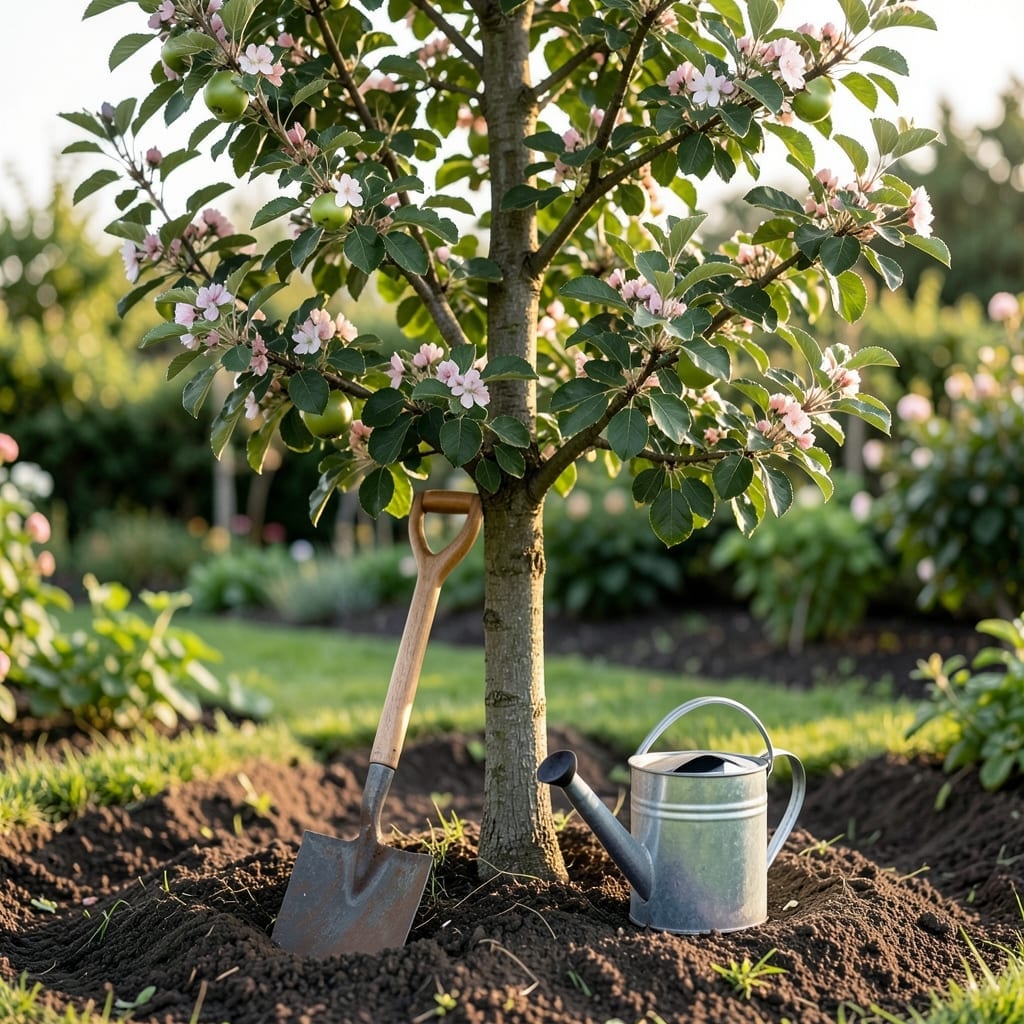
Planting Apple Trees in Maine is all about timing. Get it right, and you’ll enjoy crisp, homegrown fruit for years to come. But get it wrong, and harsh winters might claim your trees before they even get started.
Maine’s USDA zones 3b-5b demand precision. Too early, and frost could damage young roots. Too late, and your 🍎 Apple Tree won’t establish before winter hits.
I’ve seen firsthand how the right planting window makes all the difference. Spring offers the best chance for success, but there are nuances to consider.
Let me walk you through the ideal timing and key factors that will set your trees up for thriving in Maine’s unique climate.
Timing is everything when planting apple trees in Maine. The state’s USDA zones 3b-5b experience cold winters and short growing seasons, so precision matters. I always recommend spring planting as the safest bet for success.
April and May are your ideal months to plant. This window allows roots to establish before summer heat and winter cold. The last frost date in most of Maine is around May 15, so aim to plant after this point.
| Planting Factor | Maine Recommendation |
|---|---|
| Best Months | April – May |
| Soil Temperature | Above 40°F |
| Frost Consideration | After last frost date |
| Zone Range | 3b – 5b |
Fall planting is possible but riskier in Maine. If you choose this route, plant at least 6 weeks before the first frost (around October 1). This gives roots time to settle before winter dormancy begins.
Soil conditions are crucial. Apple trees need well-draining soil that’s workable. If the ground is still frozen or waterlogged from snowmelt, wait until it’s dry enough to dig. I’ve learned the hard way that planting in soggy soil leads to root rot.
For dwarf varieties, the timing remains the same, but they may establish slightly faster. Standard trees need the full growing season to get their extensive root systems established before winter.
Remember that northern Maine (zone 3b) has a shorter window than southern areas (zone 5b). In colder regions, I’d stick strictly to late April through May to be safe.
Pro tip: Check your local soil temperature with a simple thermometer. When it consistently reads above 40°F at 4-inch depth, you’re good to plant. This usually aligns with when daffodils start blooming.
Also consider your tree’s age. Bare-root trees should go in the ground as soon as they arrive in spring. Container-grown trees offer more flexibility but still benefit from early planting.
Finally, always mulch heavily after planting to protect roots from temperature swings. I use 3-4 inches of organic mulch, keeping it away from the trunk to prevent rot.
Maine’s cold-hardy apple trees thrive when matched to the right planting window. Varieties like Honeycrisp and McIntosh excel in zones 3b-5b, but timing is everything for winter survival.
I always recommend spring planting for most varieties, but some can handle early fall if the soil stays warm. Disease-resistant types like Liberty give you more flexibility.
| Variety | Best Planting Time | Cold Hardiness |
|---|---|---|
| Honeycrisp | April-May | Zone 3-6 |
| McIntosh | April-June | Zone 4-6 |
| Liberty | April or Sept | Zone 3-5 |
The Liberty apple is my top pick for Maine gardeners. Its disease resistance and zone 3 hardiness make it ideal for our unpredictable springs and frigid winters.
For McIntosh trees, I’ve found they establish best when planted in late April. Their roots need time to settle before the first frost in October.
If you’re planting in fall, aim for early September. This gives roots 6 weeks to grow before dormancy. Always check your local frost dates first.
Remember, dwarf varieties often need less time to establish. But even they benefit from spring planting in Maine’s climate.
Proper timing and variety selection will reward you with decades of harvests from your apple trees 🌳