
Beautiful Plants For Your Interior
Beautiful Plants For Your Interior
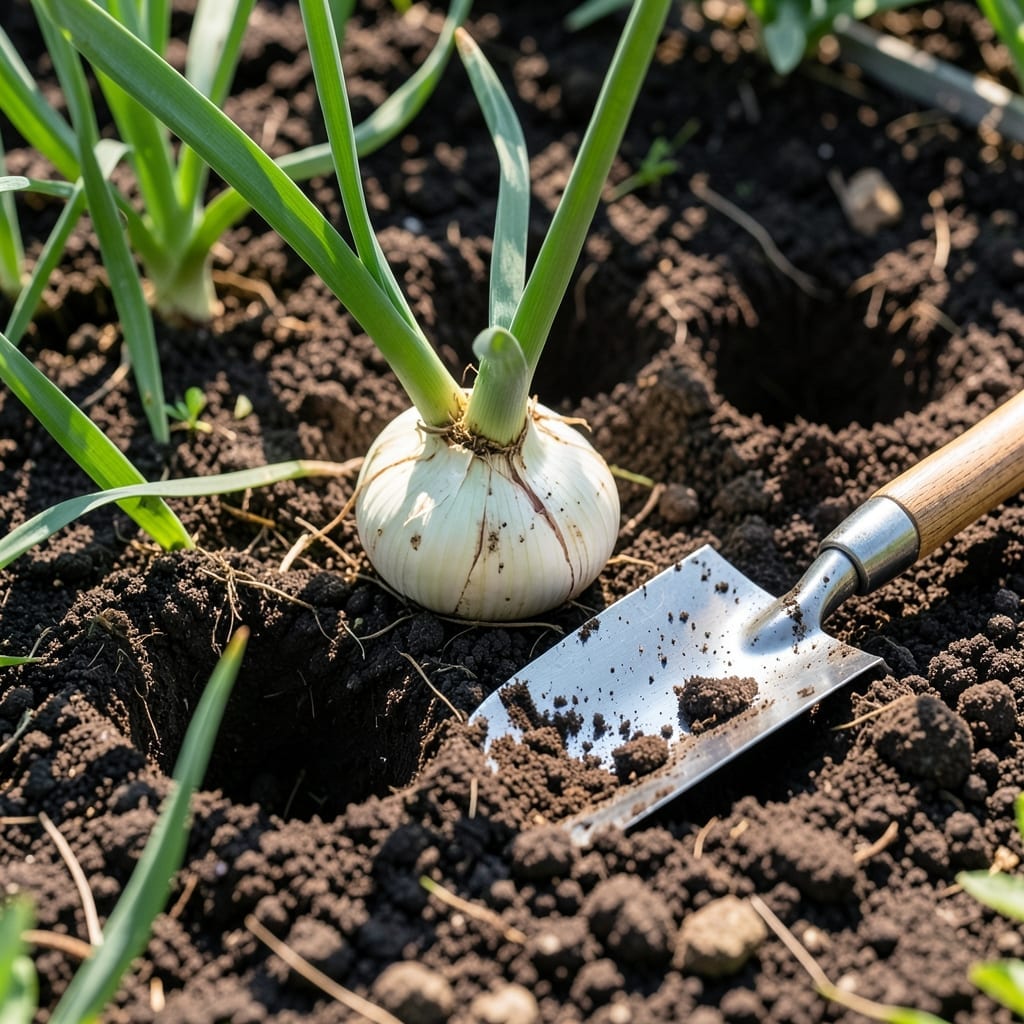
Timing is everything when planting Allium 🧄 bulbs—plant too early or too late, and you might miss their stunning spring blooms.
Discover the perfect fall window to ensure vibrant, healthy alliums. Whether you’re in zone 6 or elsewhere, timing your planting just right makes all the difference.
Let me show you exactly when to get those bulbs in the ground and what to consider for your climate. You’ll be rewarded with a spectacular display come spring.
Planting allium bulbs at the right time ensures vibrant spring blooms. The key is timing your planting 4-6 weeks before the first hard frost in your area.
In USDA zones 3-5, aim for late September to early October. For zones 6-7, mid-October to November works best, while zones 8-10 can plant in late November to December. ✂️
| Zone | Planting Time | Frost Consideration |
|---|---|---|
| 3-5 | Late Sept – Early Oct | 6 weeks before frost |
| 6-7 | Mid Oct – Nov | 4-6 weeks before frost |
| 8-10 | Late Nov – Dec | Before soil cools below 60°F |
The soil temperature should be below 60°F but not frozen. This gives bulbs time to establish roots before winter dormancy.
For northern gardeners, early planting is crucial. Zone 3-5 gardeners should finish by mid-October to avoid early frosts. Southern zones can wait until December. 🌱
In warmer climates (zones 8-10), pre-chill bulbs for 8-10 weeks in the fridge before planting. This mimics the cold treatment they need to bloom.
Check your first frost date and count backward. 4-6 weeks is the sweet spot for root development without risking early sprouting.
Soil preparation matters too. Ensure it’s well-draining to prevent rot. Sandy loam is ideal for alliums, but amending with compost helps in clay soils. ☀️
If you’re in a mild winter area, you might get away with December planting, but earlier is always better. Late plantings may result in smaller blooms the first year.
Remember, allium bulbs need this cold period to trigger spring growth. Skipping it means no flowers next season. Plan accordingly!
When in doubt, earlier is safer than later. A bulb planted too early can be mulched for protection, but late plantings often struggle to establish. 🌿
Planting allium bulbs in fall is straightforward if you follow the right steps. I always start by choosing a sunny spot with well-draining soil to prevent rot.
First, loosen the soil to about 12 inches deep and mix in compost for added nutrients. This helps the bulbs establish strong roots before winter. 🌱
After planting, water deeply to settle the soil and encourage root growth. Avoid overwatering, as soggy soil can cause bulbs to rot.
I like to add a 2-inch layer of mulch to insulate the soil and retain moisture. This also helps prevent weed growth around the bulbs.
If you’re planting in containers, ensure they have drainage holes. Use a high-quality potting mix and place the containers where they’ll get full sun. ☀️
Finally, label your planting area so you don’t accidentally dig up the bulbs in spring. With proper care, you’ll be rewarded with stunning blooms next year.
Remember, consistency in depth and spacing ensures uniform growth and a beautiful display. 🌿