
Beautiful Plants For Your Interior
Beautiful Plants For Your Interior
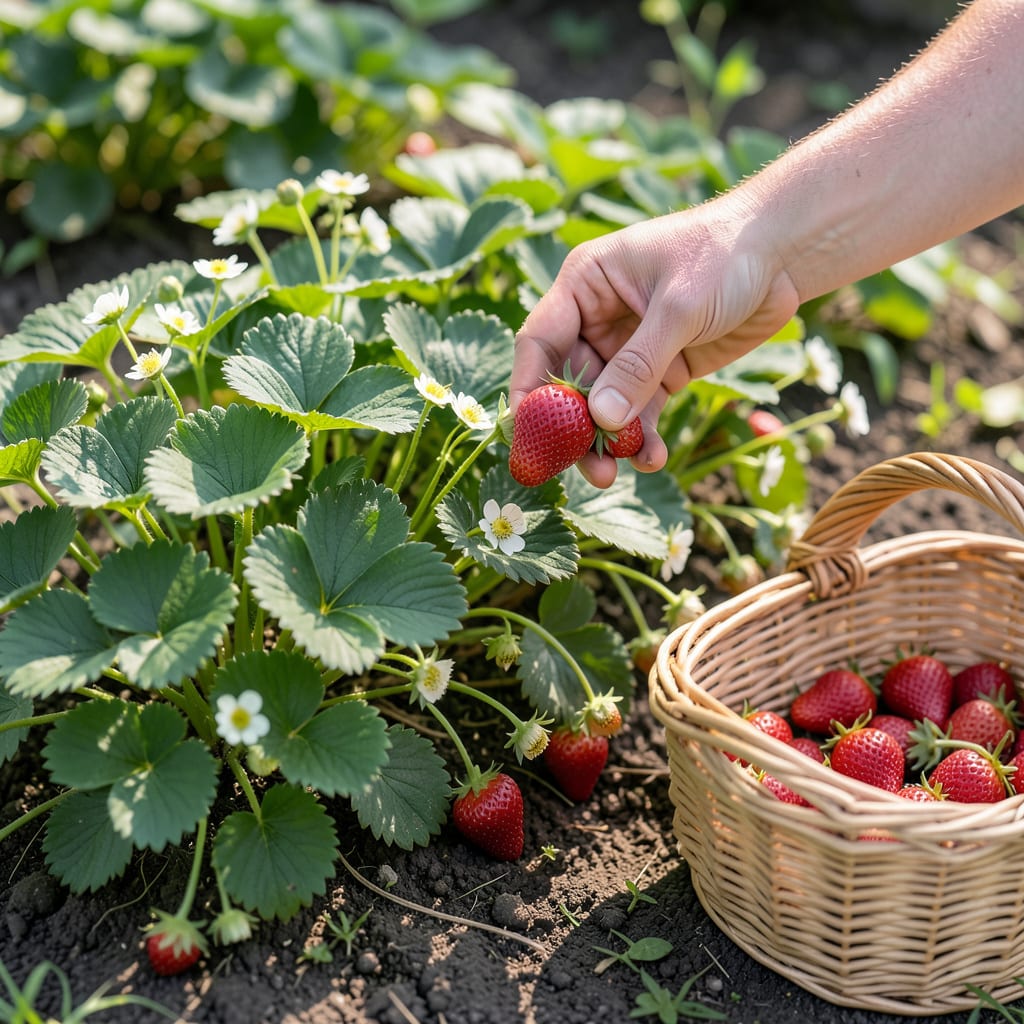
Nothing beats the taste of a perfectly ripe 🍓 Strawberry picked at its peak. That moment when the berry is just right makes all the difference between a bland bite and an explosion of flavor.
I’ll show you exactly how to spot the ideal time to harvest, whether you’re growing June-bearing or everbearing varieties. Let’s make every pick your best one yet.


Knowing when to pick strawberry plants is key to getting the best flavor. I always look for full red color first, as green or white patches mean they’re not ready yet.
The berry should feel slightly soft when gently pressed and have a sweet aroma. These are the sure signs of peak ripeness for any variety.
| Ripeness Sign | Description |
|---|---|
| Color | Uniform bright red |
| Texture | Slightly soft to touch |
| Smell | Strong sweet aroma |
| Attachment | Easily separates from stem |
For June-bearing strawberries, the harvest typically comes all at once in early summer. I’ve found they’re usually ready about 4-6 weeks after blooming.
Everbearing varieties produce multiple harvests. The first crop often ripens in spring, with subsequent harvests every 4-6 weeks until frost.
I always check berries daily during harvest season. A strawberry can go from perfect to overripe in just 24-48 hours in warm weather.
The time of day matters too. I recommend picking in the morning hours when temperatures are cooler. This helps preserve the berries’ firmness and flavor.
Don’t pull the berries – use scissors or pinch the stem just above the fruit. This prevents damage to both the berry and the strawberry plant.
Remember that size isn’t everything. Some smaller berries can be just as sweet and flavorful as the largest ones in your patch.
With these tips, you’ll always know when to pick strawberry plants for maximum sweetness and quality. Happy harvesting! 🌱
Timing your strawberry harvest depends heavily on your climate zone. I’ve seen early varieties ready in April in warm regions, while cooler areas might wait until July for peak ripeness.
June-bearing strawberries typically produce one large harvest in early summer, while everbearing types offer multiple flushes from spring to fall. Knowing your variety is half the battle.
Regional Harvest Windows
In my experience, coastal areas often have extended harvest seasons due to milder temperatures. The Pacific Northwest can see strawberries producing from May through October with proper care.
Mountain regions present unique challenges. Higher elevations mean later harvests – sometimes as late as August for the first pick. I always adjust my expectations based on altitude.
For container gardeners, microclimates matter. A south-facing balcony might produce berries 2-3 weeks earlier than a shady patio. Observe your plants closely.
Remember that weather fluctuations can shift harvest times. A late spring frost might delay ripening by 7-10 days, while a heatwave can accelerate the process.
With these regional insights, you’ll master when to pick strawberry plants in your specific growing conditions. 🌱
Even experienced gardeners make errors when harvesting strawberries. One of the most common is waiting too long, thinking they’ll get sweeter. In reality, they often become mushy or overripe.
Another frequent mistake is picking underripe berries with green or white patches. These won’t ripen further after being picked and will always taste sour or bland.
⚠️ Warning: Avoid These Harvest Errors
Picking in the heat of the day can lead to soft, bruised berries. Always harvest in the morning when it’s cool.
Pulling berries instead of cutting the stem can damage both the fruit and the strawberry plant.
I’ve seen many gardeners overlook the stem attachment. A ripe strawberry should come away with minimal effort – if you have to tug, it’s not ready yet.
Proper handling after picking is crucial. Never stack berries deeply in containers as this causes bruising and spoilage. Use shallow trays for best results.
Remember that size doesn’t indicate ripeness. Some of the smallest berries can be the sweetest, while large ones might still be underripe.
By avoiding these common pitfalls, you’ll ensure every strawberry harvest is as delicious as possible. 🌱
Check your plants daily during harvest season. Berries can go from perfect to overripe in just 24-48 hours in warm weather. Morning checks are ideal for catching them at peak freshness.
No, size doesn’t indicate ripeness. Some smaller berries can be sweeter than large ones. Focus on color, texture, and aroma instead of dimensions.
Pick in the morning hours when temperatures are cooler. This preserves the berries’ firmness and flavor better than harvesting in afternoon heat.
If berries have green or white patches, feel hard when pressed, or lack aroma, they’re not ready. These won’t ripen after picking and will taste sour.
