
Beautiful Plants For Your Interior
Beautiful Plants For Your Interior
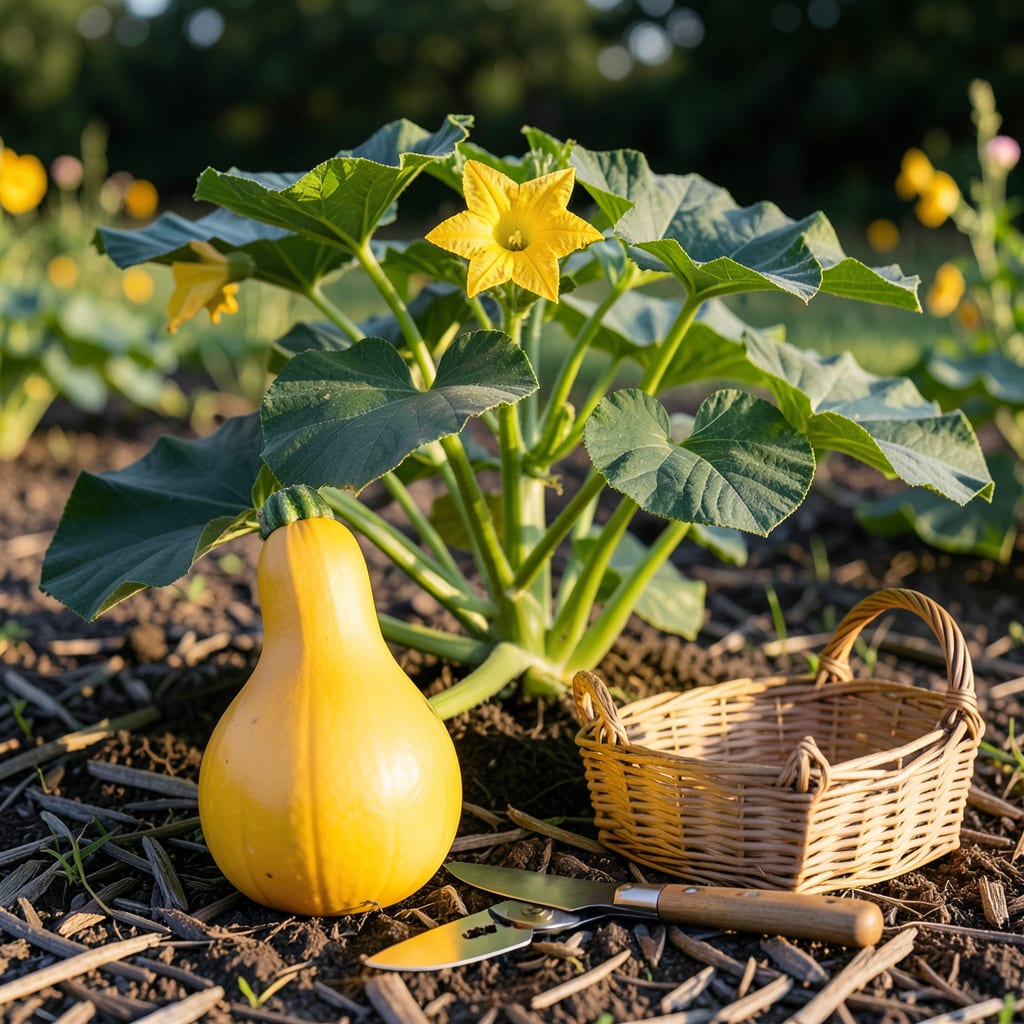
I remember the first time I left a 🥬 Straight Neck Squash on the vine too long – it went from perfect to overripe in what felt like 24 hours. Timing the harvest just right makes all the difference.
With this fast-growing summer favorite, you’ll want to watch for specific signs. I’ll show you exactly what to look for so you never miss that perfect picking window again.


I always check for visual cues when harvesting straight neck squash. The most reliable sign is size—aim for 6-8 inches long for peak flavor and texture.
The skin color should be bright yellow and glossy, not dull. A firm skin that resists thumbnail pressure is another key indicator of readiness.
| Sign | What to Look For |
|---|---|
| Size | 6-8 inches long |
| Color | Bright yellow skin |
| Firmness | Resists thumbnail pressure |
| Stem | Dry and woody |
The stem condition is often overlooked. A dry, woody stem means the squash is mature. If it’s still green and tender, the fruit needs more time on the vine.
I also look at the overall appearance. The squash should have a consistent color from top to bottom without any green streaks or soft spots. These are signs it’s not quite ready.
Another test I use is the weight check. A ripe straight neck squash should feel heavy for its size. Lighter squash may still be developing seeds and flesh.
Timing matters too. Most varieties reach maturity in 45-55 days after planting. I start checking daily once the first fruits appear to catch them at the perfect stage.
If the skin feels soft or spongy, it’s a sign of over-ripeness. At this point, the seeds become large and tough, and the flavor turns bitter.
I’ve found that harvesting in the early morning when temperatures are cooler helps preserve freshness. The squash are less likely to wilt and maintain their firm texture longer.
Finally, regular harvesting encourages the plant to produce more. I make it a habit to check my vines every 1-2 days during peak season to ensure I don’t miss any.
With these simple checks, I consistently pick straight neck squash at its peak, ensuring the best taste and quality from my garden. ✂️
I’ve learned the hard way that harvesting too early or too late can ruin your straight neck squash crop. Picking before the squash reaches 6-8 inches means you’ll miss out on full flavor.
Leaving squash on the vine too long leads to oversized, seedy fruit with tough skin. The texture becomes fibrous, and the taste turns bitter—definitely not what you want.
Picking with a dull tool can damage the vine and reduce future yields. Always use sharp pruners or a knife to make clean cuts.
Another mistake is twisting the squash off the vine. This can harm the plant and lead to premature death of the vine. Instead, use a clean, sharp tool to cut the stem.
I also see gardeners waiting for color changes that never come. Unlike some squash varieties, straight neck squash stays bright yellow when ripe—don’t wait for it to turn orange.
Harvesting during the hottest part of the day can cause the squash to wilt quickly. I always pick in the early morning when temperatures are cooler to preserve freshness.
Finally, ignoring the stem is a common oversight. A green, tender stem means the squash isn’t ready, while a dry, brown stem signals it’s time to pick.
By avoiding these mistakes, you’ll enjoy a consistent harvest of perfect straight neck squash all season long. ✂️
I always aim to pick my straight neck squash in the early morning when temperatures are coolest. This helps preserve the firm texture and prevents wilting.
The plants should be dry from dew to avoid spreading disease. I wait until the foliage is dry to touch before I start harvesting.
Using the right tools makes a difference. I always keep a pair of sharp pruners handy to make clean cuts without damaging the vine.
After harvesting, I move the squash to a shaded area right away. This prevents them from heating up in the sun, which can reduce their shelf life.
I’ve noticed that squash picked in the morning stays fresh 2-3 days longer than those harvested in the afternoon heat. The cooler start helps maintain their crisp quality.
By following these simple timing tips, I get the most out of my harvest every time. The difference in freshness and flavor is noticeable. ✂️
Pick when they reach 6-8 inches long. This size ensures peak flavor and tender texture before seeds become tough.
A soft or spongy skin means it’s overripe. Harvest immediately if possible, as flavor turns bitter and seeds enlarge.
Yes! A dry, brown stem signals readiness. If it’s still green and tender, leave it on the vine for a few more days.
Check every 1-2 days during peak season. These grow incredibly fast and can overshoot perfect ripeness in 24 hours.
