
Beautiful Plants For Your Interior
Beautiful Plants For Your Interior
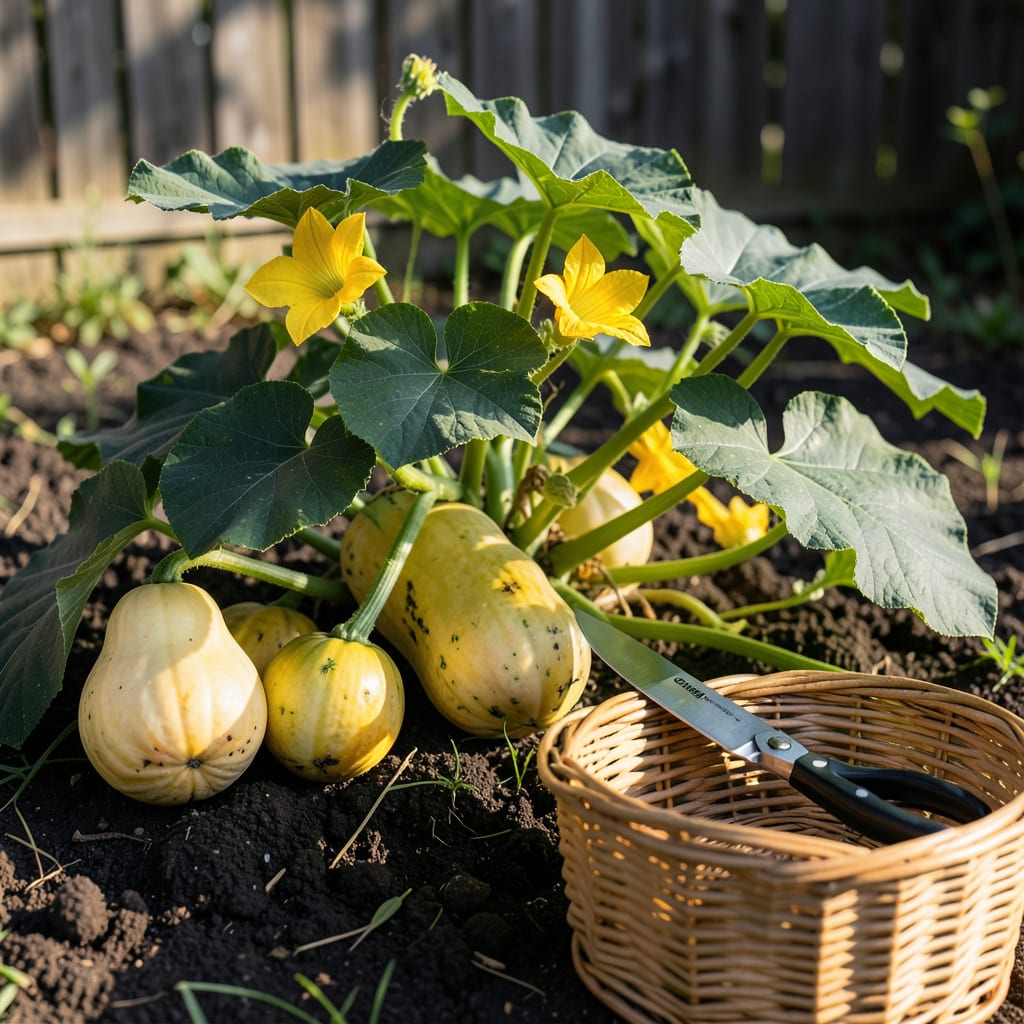
Nothing beats the satisfaction of growing your own 🎃 Squash, but picking it at the wrong time can turn that excitement into disappointment. Timing is everything when it comes to harvesting these fast-growing vegetables.
I’ll show you the visual cues and seasonal tips to ensure you get the perfect harvest every time. Let’s make sure your garden efforts pay off with the best flavor and texture.


Harvesting squash at the right time ensures the best flavor and texture. The first sign I look for is color change. Most varieties develop a deep, consistent hue when ripe.
For zucchini and yellow squash, the skin should be glossy and firm. If it’s dull or soft, it’s either not ready or overripe. A gentle press with your fingernail should leave a slight mark.
| Squash Type | Harvest Size | Stem Condition | Skin Hardness |
|---|---|---|---|
| Zucchini | 6-8 inches | Soft and green | Tender, puncturable |
| Butternut | 8-12 inches | Hard and brown | Very hard |
| Acorn | 4-6 inches diameter | Dry and woody | Hard and glossy |
| Yellow Squash | 4-6 inches | Soft and green | Tender, puncturable |
For winter squash like butternut or acorn, the stem hardens and turns brown as it matures. The rind becomes so tough that you can’t pierce it with your fingernail.
Another trick I use is the tap test. A ripe winter squash will sound hollow when tapped. This works especially well for butternut and pumpkins.✂️
Summer squash like zucchini and yellow squash are best picked young and tender. If you wait too long, they’ll grow oversized and seedy, losing their delicate flavor.
Check the vines daily during peak season. I’ve found zucchini can double in size in just 24 hours. Regular harvesting also encourages the plant to produce more fruit.
For acorn squash, look for a deep green or orange color with a hard rind. The stem should be dry and corky, not green or moist.
If you’re unsure, harvest one and test its texture. Underripe squash will feel spongy or soft, while overripe squash may have a thick, tough skin that’s hard to cut.
Remember, the earlier you pick summer squash, the more tender and flavorful it will be. For winter varieties, patience is key to allow the sugar content to develop fully.🌱
I always tell gardeners that summer squash like zucchini and yellow squash need daily checks during peak season. These varieties grow so fast they can double in size in just a day.
Winter squash like butternut or acorn can be checked weekly as they take longer to mature. The key is consistency—don’t let them sit too long after reaching peak ripeness.
✅ Harvesting Frequency Guide
1. Daily checks for summer squash in warm weather
2. Weekly checks for winter varieties
3. Use a sharp knife to cut stems cleanly
4. Avoid twisting fruit to prevent vine damage
For summer squash, I recommend checking in the early morning when plants are firm and easy to inspect. The skin should be shiny and tender enough to puncture with a fingernail.
Winter squash requires a different approach. Wait until the rind hardens and the stem turns brown and corky. This usually happens in late summer or fall, depending on your planting time.
Always handle your squash gently when picking. I’ve found that using pruning shears gives the cleanest cut and minimizes stress on the plant. This keeps your vine healthy for continued production.
Remember, the more you harvest, the more your plants will produce. Regular picking encourages new growth and extends your harvest season by weeks. ☀️
I see too many gardeners lose their squash harvest by making simple timing errors. The most common is waiting too long, which turns tender squash into tough, seedy disappointments.
Another frequent mistake is harvesting too early. Picking before the rind hardens means you’ll miss out on the full flavor and storage potential.
⚠️ Avoid These Harvesting Pitfalls
Ignoring weather impacts can ruin your timing. Heavy rain can cause squash to split, while drought may stunt growth.
Mishandling the vine during picking can damage the plant and reduce future yields.
Always use a sharp knife or pruners to cut the stem, rather than twisting the fruit. This prevents damage to the vine and keeps the plant productive.
Don’t forget to check your squash plants daily during peak season. Summer varieties like zucchini grow incredibly fast and can go from perfect to overripe in just a day or two.
Finally, remember that winter squash needs to fully mature on the vine. Picking it too early means it won’t store well or develop its full sweet flavor.
Look for 6-8 inch length with glossy, firm skin. A fingernail should leave a slight mark. If the skin feels dull or tough, it’s likely overripe.
Yes! Summer squash like zucchini are best picked young at 4-6 inches for the most tender texture. Smaller sizes mean better flavor and less seed development.
Overripe squash becomes tough, seedy, and loses flavor. Summer varieties turn fibrous, while winter types may split or rot on the vine. Check daily during peak season!
Always use a sharp knife or pruners to cut the stem. Twisting can damage the vine and reduce future production. Leave 1-2 inches of stem attached.
