
Beautiful Plants For Your Interior
Beautiful Plants For Your Interior
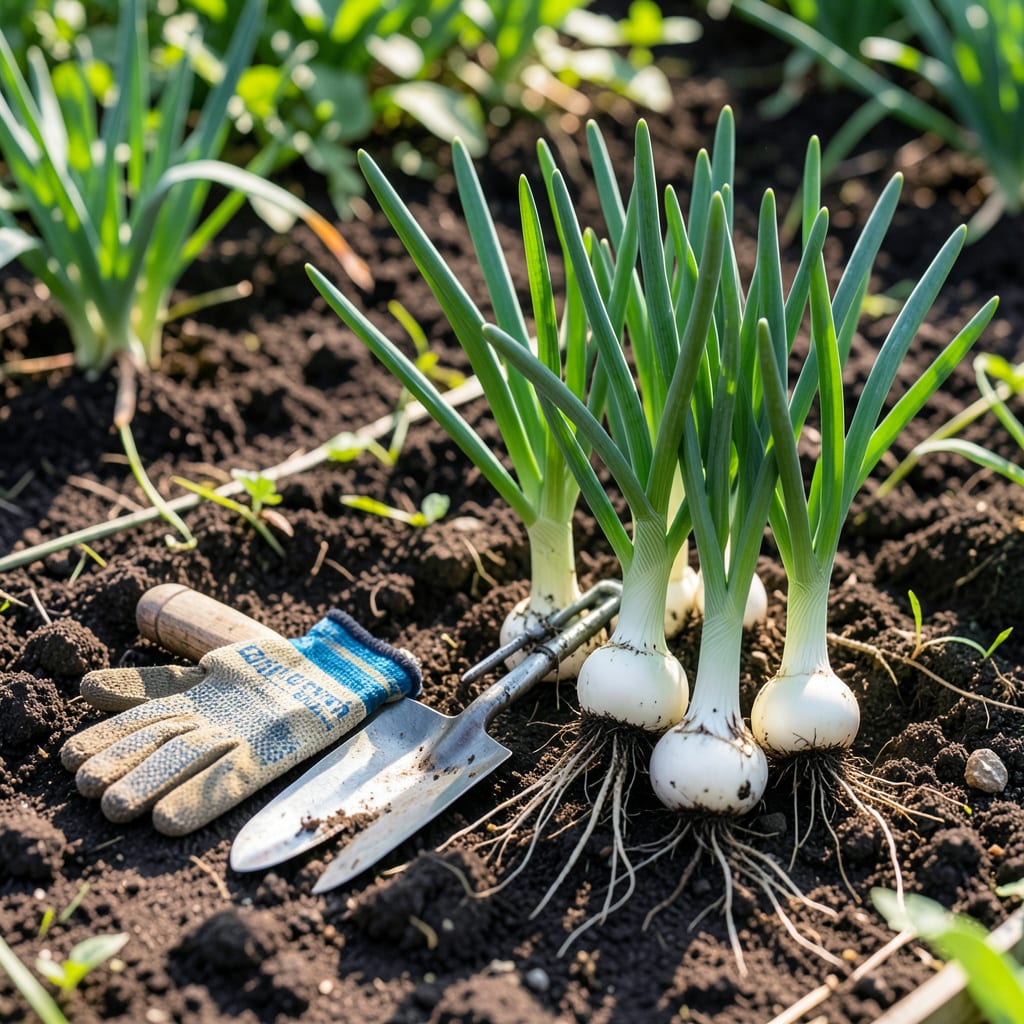
Timing is everything when it comes to harvesting Spring Onion 🧅. Picking at the right stage ensures you get the best flavor and texture for your dishes.
I’ll show you the key signs to look for and how to avoid common mistakes. With these tips, you’ll always know when your crop is ready.


I love watching spring onions grow because they give clear signals when they’re ready. The most reliable sign is when the tops reach 6-8 inches tall with firm, upright leaves.
Another key indicator is the base thickness. When the white part at the soil line measures about 1/2 inch wide, your onions are at peak harvest time.
🌱 Spring Onion Harvest Readiness
| Sign | Readiness |
|---|---|
| Tops 6-8 inches tall | ✅ Ready |
| Base 1/2 inch thick | ✅ Ready |
| Leaves green and firm | ✅ Ready |
| Tops thin and spindly | ❌ Not ready |
If the leaves turn yellow or flop over, you’ve waited too long. The ideal window is when the skin at the base is smooth and white.
For early harvest, you can pull onions when they’re smaller, about 1/4 inch thick, for a milder flavor. These are perfect for fresh eating.
Mature onions, left longer, develop a stronger taste and thicker bulbs. I recommend checking daily once they near readiness.
The growing conditions affect timing too. In full sun with consistent watering, onions reach harvest size in about 60 days from planting.
If you see flower stalks forming, harvest immediately. This means the plant is bolting, and the bulb quality will decline rapidly.
I always use a gentle tug test—if the onion comes up easily, it’s ready. If it resists, give it a few more days to mature.
Remember, spring onions are forgiving. Even if you miss the perfect moment, they’ll still be tasty as long as they’re not left too long.
For the best results, harvest in the cool morning hours when the plants are most hydrated and less stressed ☀️
Harvesting spring onions at the right time is only half the battle. I always use sharp garden shears or my hands to avoid bruising the tender stems. The key is gentle pressure and clean cuts.
For mature plants, I grasp the base firmly and pull straight up. The soil should be slightly moist to ease removal. This method prevents breaking the delicate roots and ensures a clean harvest.
I’ve found that morning harvesting works best. The plants are most hydrated then, making them easier to pull. Plus, it gives me time to process them before the heat of the day sets in.
To encourage regrowth, I leave about 1 inch of the base in the soil when cutting. This often produces a second harvest within a few weeks. It’s like getting bonus crops from the same plant.
After harvesting, I store my spring onions in the refrigerator. They’ll keep fresh for 7-10 days if wrapped in a damp paper towel. This preserves their crisp texture and vibrant color.
☀️I’ve seen many gardeners make simple errors that ruin a perfect spring onion harvest. The most common mistake is waiting too long to pick. When the tops yellow or flop over, the quality has already declined.
Another frequent issue is harvesting in wet conditions. Pulling onions from soggy soil can damage the roots and lead to rot. I always wait for dry weather to ensure clean, healthy harvests.
⚠️ Harvesting Warning
Avoid using dull tools when cutting spring onions. Ragged cuts can introduce disease and slow regrowth. Always use sharp shears for clean, precise harvesting.
Using dull tools is another mistake I see often. This can crush the delicate stems and make the plant more susceptible to disease. I always keep my garden shears sharp and clean for a smooth cut.
Some gardeners also harvest too early, missing out on the full flavor. If the base is less than 1/4 inch thick, the onion isn’t mature enough. Patience pays off with a better taste and texture.
Finally, pulling onions too aggressively can damage the roots and soil structure. A gentle tug is all it takes when they’re ready. If they resist, they need more time to mature 🌱
Wait until the tops reach 6-8 inches tall with firm, upright leaves. This is the most reliable sign they’re ready for picking.
Yes! Cut the greens about 1-2 inches above soil level to encourage regrowth. The base will often produce a second harvest within weeks.
The tops will yellow and flop over, and the bulb quality declines rapidly. Harvest immediately if you see flower stalks forming.
Morning is ideal when plants are most hydrated. This makes them easier to pull and preserves their crisp texture.
