
Beautiful Plants For Your Interior
Beautiful Plants For Your Interior
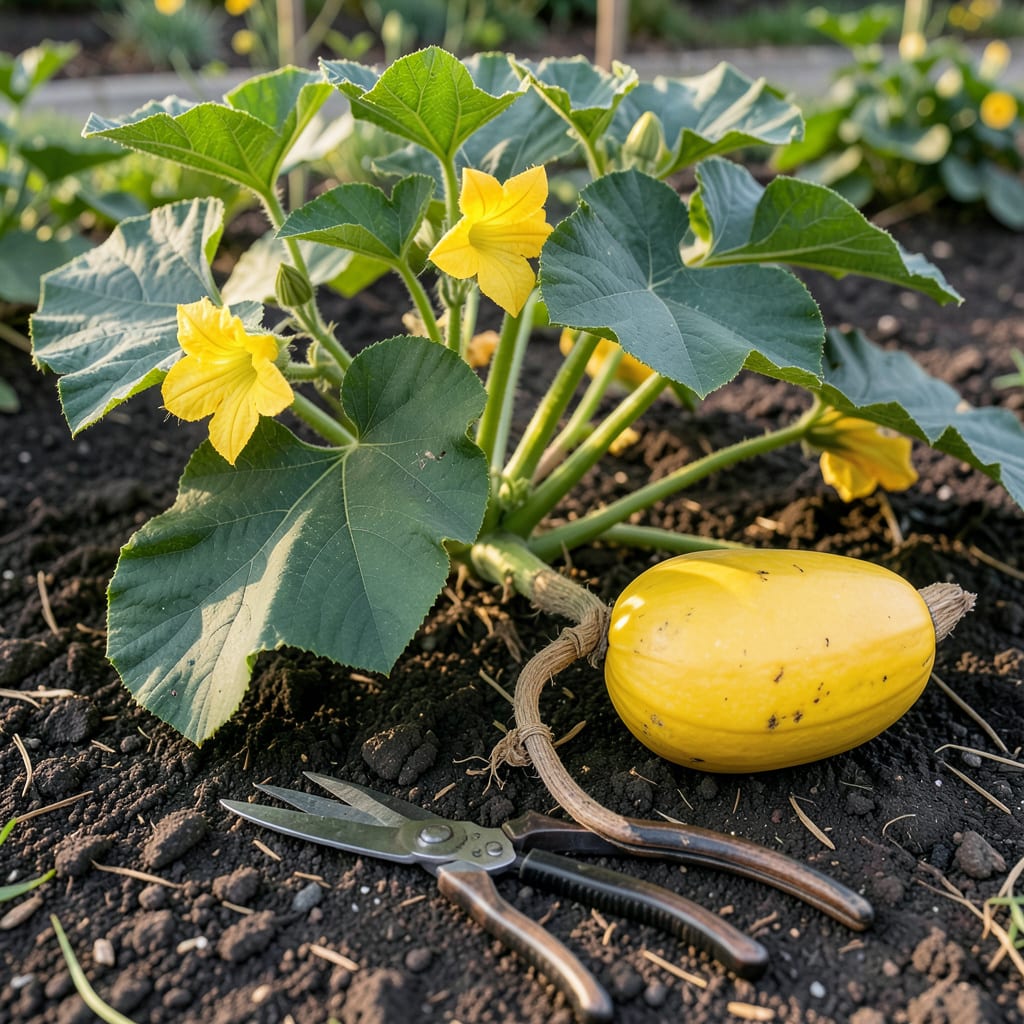
I remember staring at my first 🎃 Spaghetti Squash patch, wondering if those golden globes were ready. Timing is everything with this garden favorite.
Get it right and you’ll enjoy perfect strands every time. I’ll show you the easy tests to know when your squash is at its peak.


I’ve learned that spaghetti squash doesn’t give obvious signs like some fruits. You’ll need to check a few key things to be sure it’s ready for picking. The most reliable test is the hardness of the rind.
When the skin turns deep golden yellow and resists pressure from your fingernail, it’s a good sign. The stem should also look dry and woody, not green and fresh.
| Indicator | What to Look For |
|---|---|
| Skin Color | Deep golden yellow or orange |
| Rind Hardness | Resists fingernail pressure |
| Stem Condition | Dry and woody appearance |
| Weight | Feels heavy for size |
The color test is the first visual clue I check. A ripe spaghetti squash will have a uniform golden hue, not pale or greenish. If you see any green patches, give it more time on the vine.
Next, I press my fingernail into the skin. If it doesn’t puncture or leaves only a shallow mark, the squash is ready. Soft skin means it’s still maturing and needs a few more days in the garden.
The stem condition is another giveaway. A ripe squash will have a dry, brown stem that looks almost like wood. If the stem is still green and moist, the squash isn’t ready yet.
I also pay attention to the weight and size. A mature spaghetti squash should feel heavy for its size, typically weighing between 4 to 8 pounds. Smaller squash may not be fully developed.
Another sign I watch for is the vines dying back. When the plant’s leaves start to yellow and wither, it’s often a signal that the squash is nearing ripeness. However, this isn’t the only indicator, so I combine it with the other tests.
If you’re still unsure, try the scratch test. Gently scratch the surface with your fingernail. If the skin is hard and doesn’t scratch easily, it’s ready to pick. If it scratches off easily, it needs more time.
Remember that early picking leads to underdeveloped flavor and texture. But waiting too long can make the squash overly seedy. Finding that sweet spot is key to a perfect harvest. ☀️
I always start by checking the days to maturity for my spaghetti squash variety. Most types need 85 to 100 days from planting to harvest. This gives me a rough timeline to watch for ripeness signs.
I combine this with the visual tests we discussed earlier. Even if the calendar says it’s time, I won’t pick until the rind is hard and the stem is dry. Weather can speed up or slow down maturity.
85-100 days from planting is typical. Cool weather may extend this by 1-2 weeks. Always confirm with the hardness test.
If I planted in late May, I start checking for ripeness in late August. But I don’t rely on dates alone. A heatwave might mature squash faster, while cool spells delay it.
For late-season harvests, I watch the weather forecast. If frost is coming, I’ll pick mature squash early. Even slightly underripe squash can ripen off the vine if the rind is hardening.
I’ve found that smaller varieties may mature in 80 days, while larger ones can take 110 days. Always check your seed packet for specifics. The color and hardness tests remain the same.
Remember that overripe squash can become stringy. If most of your crop is ready but a few aren’t, pick the ripe ones first. The others can stay on the vine a bit longer, as long as there’s no frost risk. 🌱
I’ve made the mistake of picking spaghetti squash too early, and the underripe strands were a disappointment. They lacked flavor and had a watery texture that just didn’t cut it.
The rind was soft, and the stem was still green. These are clear signs it needed more time on the vine to develop its signature al dente texture.
| Scenario | Outcome |
|---|---|
| Picked Too Early | Stringy, flavorless strands |
| Picked Too Late | Thick, seedy strands |
On the other hand, leaving squash on the vine too long causes its own problems. The strands become thick and seedy, losing that perfect spaghetti-like quality.
The rind may crack or the squash can start to rot if left in damp conditions. I check daily once most fruits are ripe to avoid missing the perfect window.
For storage, fully ripe squash keeps well in a cool, dry place for 1-3 months. Underripe ones won’t store as long and may spoil faster. Overripe squash should be used quickly. 🌿
A fully ripe one will have a deep golden yellow or orange hue all over. Any green patches mean it needs more time on the vine.
Press your fingernail into the skin. If it resists pressure and doesn’t puncture, it’s ready. Soft rinds need more growing time.
Yes, a dry, woody stem is a key sign. If it’s still green and moist, the squash isn’t ripe yet. Picking too soon affects texture.
If the rind is hardening but not fully ripe, harvest early to avoid frost damage. It can continue ripening off the vine in a warm, dry place.
