
Beautiful Plants For Your Interior
Beautiful Plants For Your Interior
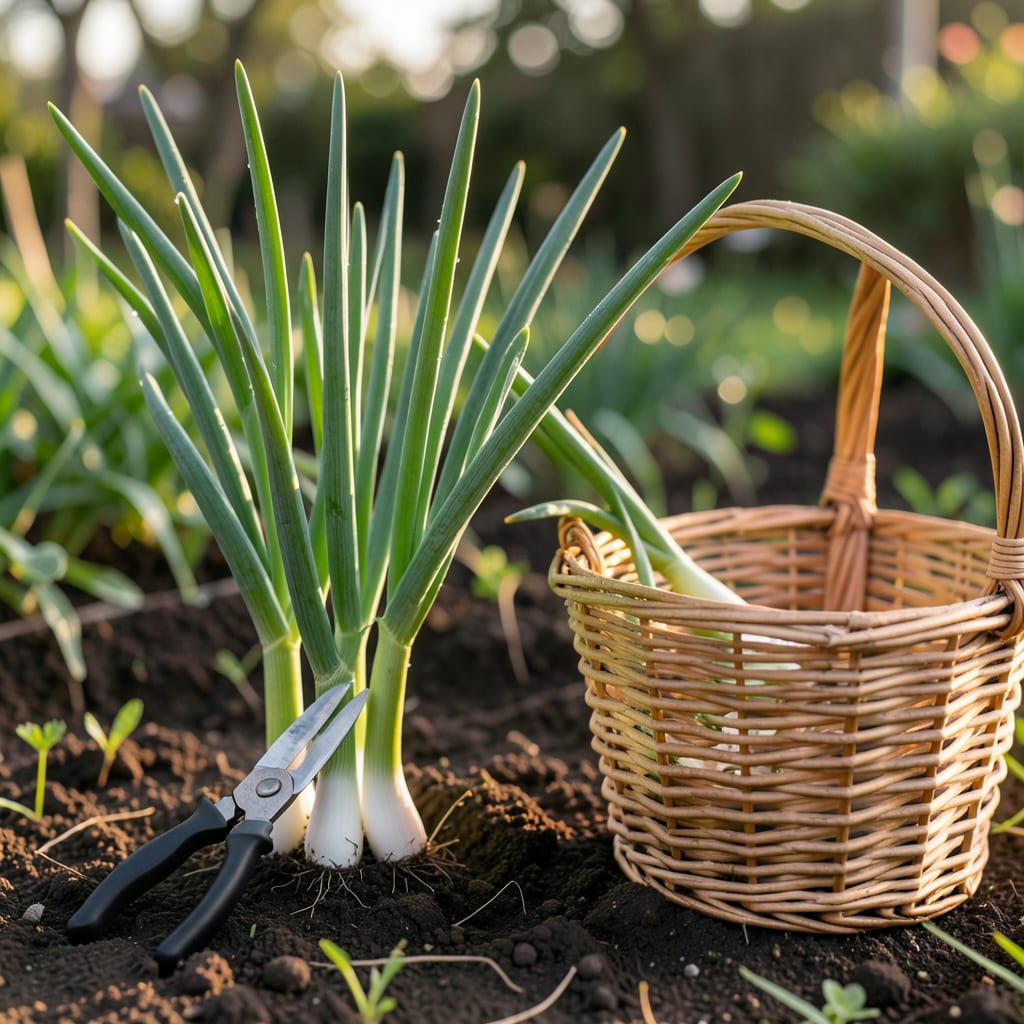
Knowing exactly when to pick 🧅 Scallion can mean the difference between a mild, flavorful harvest and a bitter, overgrown disappointment. These versatile alliums grow quickly, but timing your harvest is key.
I’ll show you how to spot the perfect moment when your Scallion is ready. With these simple tips, you’ll enjoy the best flavor and texture every time.


I always check my scallions for visual cues before picking. The most reliable sign is when they reach 6-8 inches tall with firm, upright green tops. This height ensures they’ve developed enough flavor without becoming tough.
The stem diameter should be about as thick as a pencil. Thin, wiry stems mean they need more time. I also look for a white base that’s 2-3 inches long, which indicates good development below the soil.
| Sign | Condition |
|---|---|
| Height | 6-8 inches |
| Stem Thickness | Pencil-thick |
| Base Length | 2-3 inches |
| Leaf Condition | Firm and upright |
I gently pull back the soil to check the white base without uprooting the plant. If it’s at least 2 inches long, it’s ready. The green tops should be vibrant and firm, not wilted or yellowing.
Another trick I use is the “squeeze test”. Gently press the stem between your fingers. A ready scallion will feel solid and crisp, not hollow or soft. This method works well for both store-bought regrown and garden-planted scallions.
I’ve found that scallions grown in full sun often mature faster than those in partial shade. If your plants are in shadier conditions, they might need an extra week or two to reach the ideal size.
Remember that younger scallions (around 6 inches) will have a milder flavor, while those left to grow taller develop a slightly stronger taste. Choose based on your preference.
For continuous harvests, I pick the outermost stems first, leaving the inner ones to mature. This way, the plant keeps producing new growth from the center.
If you see flower buds forming, it’s time to harvest immediately. Once scallions bolt, the stems become woody and bitter. I always check for these signs weekly during the growing season.
I keep a gardening journal to track my harvests. Noting when I planted and when I first harvested helps me predict future readiness. Most scallions are ready in 60-90 days from planting.
With these simple checks, you’ll never wonder about the perfect harvest time again. Happy picking! 🌱
I always use clean, sharp scissors or pruning shears for harvesting. This prevents disease transfer and ensures a clean cut that won’t damage the remaining plant.
The best method is to cut stems about 1-2 inches above the soil line. This allows the plant to regrow from the base for future harvests. Never pull the entire plant unless you’re ready to replant.
I’ve found that morning harvesting gives the best results. The plants are most hydrated then, making them crisp and flavorful. Avoid harvesting in the heat of the day when plants are stressed.
For regrowth, I leave at least 2-3 inner stems intact. These will continue growing and produce new shoots. With proper care, you can get 2-3 harvests from the same plant before it exhausts its energy.
One common mistake I see is cutting too low. This can damage the growing point and prevent regrowth. Always leave that 1-2 inch buffer above the soil for the best chance of continued production.
After harvesting, I give my scallions a light watering to help them recover. A little balanced fertilizer can also encourage new growth, but avoid over-feeding which can lead to weak stems. ☀️
I’ve learned that picking scallions too early results in thin, mild stems with underdeveloped flavor. These young plants haven’t had time to build their characteristic onion-like taste and can be disappointing in dishes.
The ideal window is when they’re 6-8 inches tall with pencil-thick stems. Harvesting before this stage means you’re missing out on the full potential of your crop.
Waiting too long has its problems too. Overgrown scallions develop woody, fibrous stems and a stronger, more pungent flavor that can overpower dishes. I’ve found they also become tougher to cut and prepare.
If you notice flower buds forming, it’s past time to harvest. At this stage, the plant is putting energy into reproduction rather than edible growth. The stems will quickly become bitter and inedible.
For slightly overgrown scallions, I focus on using the younger inner stems which are often still tender. The outer stems may be too tough, but the center can still be salvaged for cooking.
When the entire plant starts to yellow or flop over, it’s time to pull it completely. At this point, regrowth is unlikely, and the remaining stems won’t recover their quality. 🌱
Wait until they reach 6-8 inches tall with firm, upright green tops. This height ensures full flavor development without becoming tough or bitter.
Harvest immediately if you see flower buds forming. Once they bolt, stems turn woody and bitter. The plant focuses on reproduction instead of edible growth at this stage.
Yes! Cut the outermost stems first, leaving 1-2 inches above soil. This allows inner stems to keep growing for future harvests from the same plant.
Overgrown scallions develop thick, fibrous stems and a strong, pungent taste. Check for stems thicker than a pencil or yellowing leaves as signs it’s time to harvest completely.
