
Beautiful Plants For Your Interior
Beautiful Plants For Your Interior
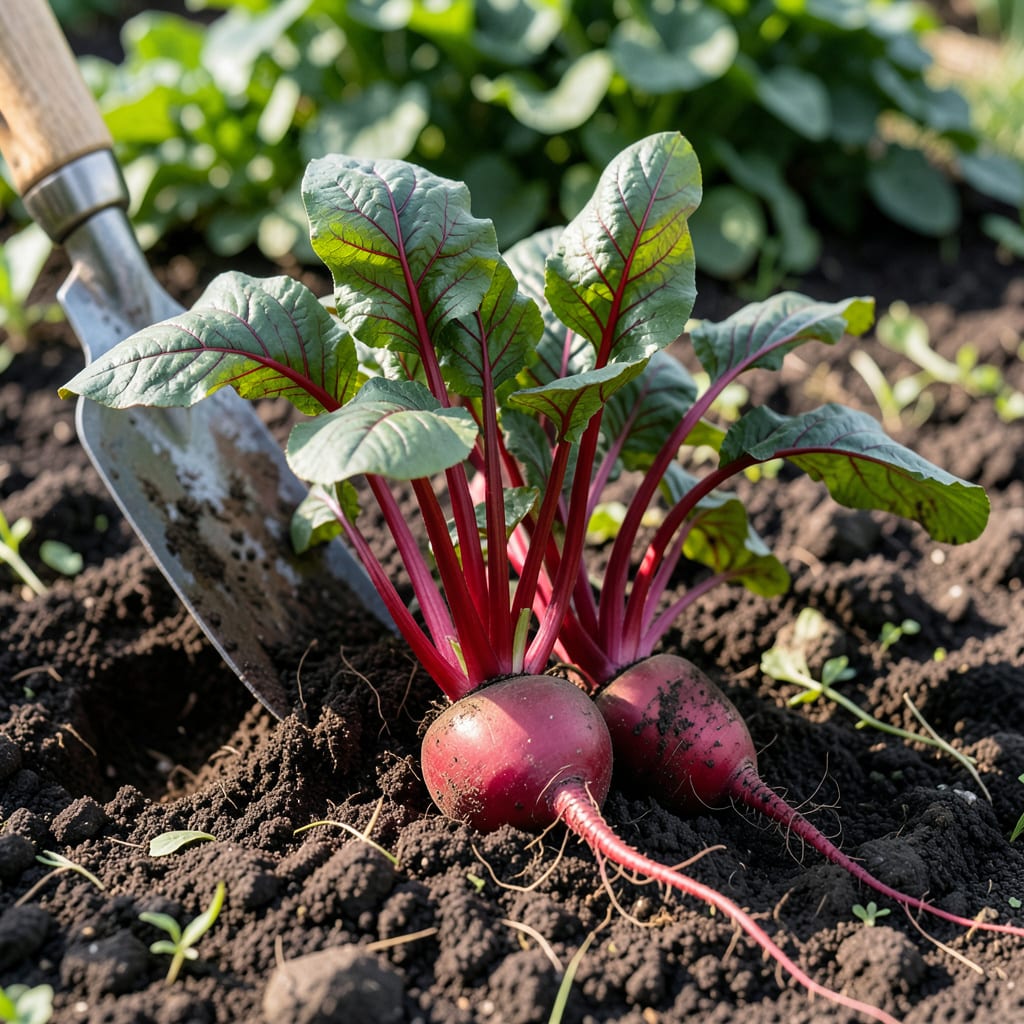
Knowing exactly when to harvest your 🥬 Beet can mean the difference between woody roots and sweet, tender perfection. Timing is everything with this crop.
I’ll show you the subtle shoulder and size cues that signal your beets are ready. With these tips, you’ll always pick them at their peak flavor and texture.


Timing your red beet harvest perfectly ensures the best flavor and texture. The most reliable sign is when the shoulders—the top of the root—begin to protrude above soil level. This indicates the beet has reached maturity.
Another key indicator is size. Red beets are typically ready when they measure 1 to 3 inches in diameter. Smaller beets tend to be tender and sweet, while larger ones may turn woody or bitter. I always carry a measuring tape to my garden for accuracy.
| Harvest Indicator | Details |
|---|---|
| Shoulder Protrusion | Top of root visible above soil |
| Size Range | 1-3 inches in diameter |
| Leaf Condition | Vibrant green and healthy |
| Root Texture | Firm and smooth to touch |
The leaves of your beets also provide clues. Healthy, vibrant green foliage suggests the roots are still growing well. If the leaves wilt or yellow, the beets may be overmature and past their prime for fresh eating.
I always check the soil line for the first signs of the beet shoulders pushing through. This is often the earliest visual cue. Gently brush away soil around the base of the plant to confirm the root’s size and firmness.
A firm texture is another giveaway. When gently squeezed, a ripe red beet should feel solid, not soft or spongy. Softness can indicate overripeness or disease, which affects both taste and storage life.
For early varieties, 50 to 60 days after planting is a good time to start checking. Maincrop beets may take up to 70 days. I mark my planting dates on a calendar to track progress accurately.
If you’re growing beets for greens and roots, you can start harvesting baby leaves at about 4 weeks. But for the roots, patience pays off. Waiting until they reach at least 1 inch ensures a worthwhile harvest.
Remember, consistent moisture is key during growth. Uneven watering can lead to cracked or tough beets. I water my beets deeply once a week, more in hot, dry spells, to keep the soil evenly moist.
Finally, don’t leave mature beets in the ground too long. Once they exceed 3 inches, they can become fibrous and less flavorful. Harvesting at the right time rewards you with the sweetest, most tender beets possible. ✂️
To be absolutely sure your red beets are ready, I use a few hands-on testing methods. The first is the soil brush technique. Gently sweep away the topsoil around the plant base to expose the root shoulders.
Next, I check the diameter with a ruler or caliper. Beets between 1 to 3 inches across are ideal. Anything smaller lacks full flavor, while larger roots risk becoming tough and fibrous. ✂️
The finger test is another reliable method. Press the exposed shoulder lightly—it should feel hard and solid. Soft or spongy texture means it’s either underripe or overripe.
I also look at the leaf stems. Thick, sturdy stems often indicate mature roots below. If stems are thin or floppy, the beets may need more time to develop properly.
For early varieties, start testing at 50 days. For main crops, wait until 60 to 70 days. I keep a garden journal to track planting dates and expected harvest windows accurately.
One common mistake is waiting too long. Beets left in the ground past 3 inches often develop a woody texture. If you see the shoulders and they’re the right size, it’s time to harvest for the best flavor and texture. 🌱
Harvesting red beets properly preserves both the plant health and the root quality. I always start by loosening the soil around the beets with a hand fork or trowel to prevent breaking the roots during pulling.
Use both hands to grasp the beet greens near the base and pull gently but firmly. If the soil is compacted or dry, water the area lightly the day before to ease removal and reduce stress on the plant.
💡 Pro Tip: Harvest in the early morning when the soil is moist and plants are well-hydrated. This minimizes shock to the plant and keeps roots crisp.
For larger beets or stubborn roots, I use a garden fork to lift the entire plant from below. This avoids snapping the taproot, which can damage the beet and reduce its storage life.
After pulling, shake off excess soil but avoid washing the beets immediately. Dirt left on helps preserve moisture during storage. I trim the greens to 2 inches to prevent them from drawing moisture from the roots.
Store your harvested beets in a cool, dark place like a root cellar or refrigerator. They’ll keep for 2 to 4 weeks if unwashed and properly stored. Always leave some foliage intact if you plan to replant for greens. ✂️
Harvest when roots reach 1-3 inches in diameter. Smaller beets are sweeter, while larger ones risk becoming woody. Use a ruler for accuracy.
Wilting leaves often mean overmaturity or stress. Check root size and firmness—if under 1 inch, improve watering. If over 3 inches, harvest immediately.
Yes! Snip outer leaves when they’re 4-6 inches tall, leaving the center to grow. This won’t harm root development and gives you an early crop.
Bitterness usually comes from leaving them too long in hot soil. Harvest at 1-3 inches and store in cool, dark places to preserve sweetness.
