
Beautiful Plants For Your Interior
Beautiful Plants For Your Interior
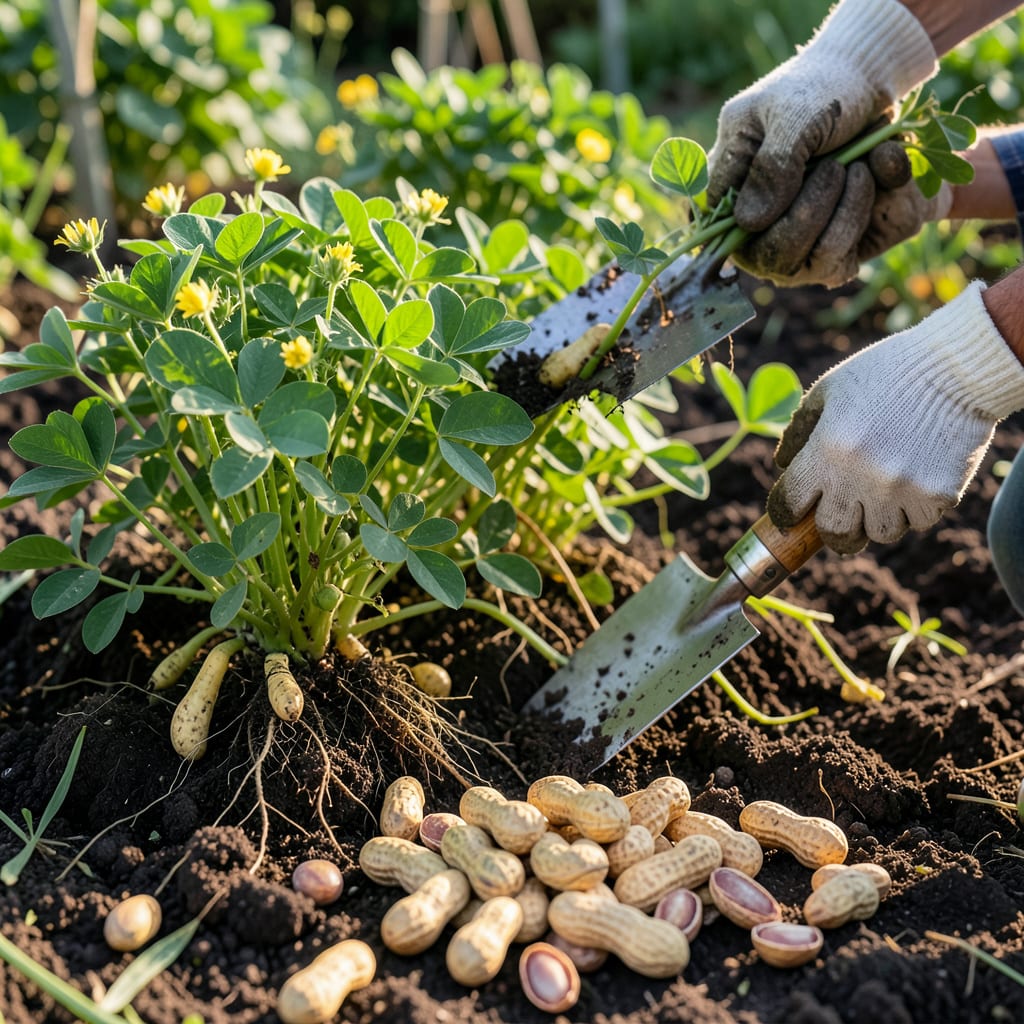
I remember the first time I grew 🥜 Peanut plants – I nearly missed the perfect harvest window. Timing is everything when it comes to picking these underground treasures.
You’ll want to watch for those subtle signs that your peanuts are ready. From yellowing leaves to visible pods inside the shell, I’ll show you exactly what to look for to get it right every time.


I’ve learned that peanut plants don’t announce their readiness like above-ground crops. Instead, you’ll need to look for subtle visual clues and feel for changes beneath the soil.
The most reliable sign is yellowing leaves, which indicates the plant is shifting energy from foliage to pod development. This typically starts around 90-120 days after planting.
| Description | |
|---|---|
| Yellowing Leaves | Plant redirects energy to pods |
| Visible Pods Inside Shell | Shells reveal mature kernels |
| Easy-to-Open Shells | Shells split with gentle pressure |
| White Inner Pod Walls | Indicates full seed maturity |
Another key indicator is the hull split method. When the inner pod walls turn white and the shells open easily, your peanuts are ready. This usually happens in late September to early October.
I always check a few test pods from different plants. If the kernels inside are plump and the seed coats are fully formed, it’s time to harvest the entire crop.
Don’t rely solely on calendar dates, as weather and variety affect maturity. Virginia peanuts may take 120 days, while Spanish types can mature in 90 days.
Watch for drying vines too. When the stems turn brown and the leaves begin to wither, the peanuts are nearing peak ripeness.
I’ve found that morning harvesting works best. The soil is cooler, and the pods are less likely to split during digging. Use a garden fork to gently lift the plants.
After digging, let the plants dry in a well-ventilated area for a few days. This helps the peanuts cure and makes removal from the vines easier.
Remember, immature peanuts will have green seed coats, while mature ones have pink or red interiors. This color change is your final confirmation.
☀️I never harvest peanuts without testing their maturity first. The shelling test is my go-to method: dig up a few pods and check the kernels inside for size and color development.
For the most accurate results, I use the hull split method. Gently press on the pod shell – if it opens easily and reveals plump kernels with a pinkish interior, they’re ready.
The kernel color assessment is crucial. Immature peanuts have white or green seed coats, while mature ones show pink, red, or purplish hues.
I also evaluate moisture content by cutting a kernel in half. If it’s too soft or milky, it needs more time. Firm kernels with dry interiors signal readiness.
Remember, these tests beat calendar dates every time. Soil temperature and rainfall can speed up or delay maturity by 1-2 weeks. Trust the physical signs over planting timelines.
For Virginia peanuts, I wait until most pods show these signs. Spanish peanuts mature faster, so start testing at 90 days after planting.
🌱I’ve made my share of peanut harvesting mistakes, and let me tell you, timing is everything. Picking too early means underdeveloped seeds with poor flavor and stunted growth.
Late harvesting brings its own problems: split pods, mold growth, and reduced storage life. The pods can even begin to germinate in soil if left too long.
Early picking: Green seed coats, small kernels, poor flavor development
Late picking: Pod splitting, increased disease risk, reduced shelf life
Recovery tip: If caught early, adjust your testing methods and timing
I once harvested a week too early and ended up with peanuts that shriveled during drying. The seed coats were still white instead of the pinkish hue of maturity.
Another time, I waited too long and found mold starting in some pods. The inner walls had turned dark brown instead of white, a sure sign of over-maturity.
For Virginia peanuts, I now start testing at 110 days and check every 3-4 days until ready. For Spanish varieties, I begin at 85 days and monitor closely.
🌱Look for yellowing leaves and brown stems as the first signs. Then dig a few pods and check for white inner walls and pink kernels inside.
Early harvesting results in small kernels with green seed coats and poor flavor. They may also shrivel during drying instead of plumping up properly.
It’s risky—waiting too long can cause pod splitting and mold growth. Start checking at 90 days for Spanish types, 110 days for Virginia varieties.
Yes! Spanish peanuts mature in about 90 days, while Virginia and runner types need 120-150 days. Always test pods rather than rely on calendar dates.
