
Beautiful Plants For Your Interior
Beautiful Plants For Your Interior
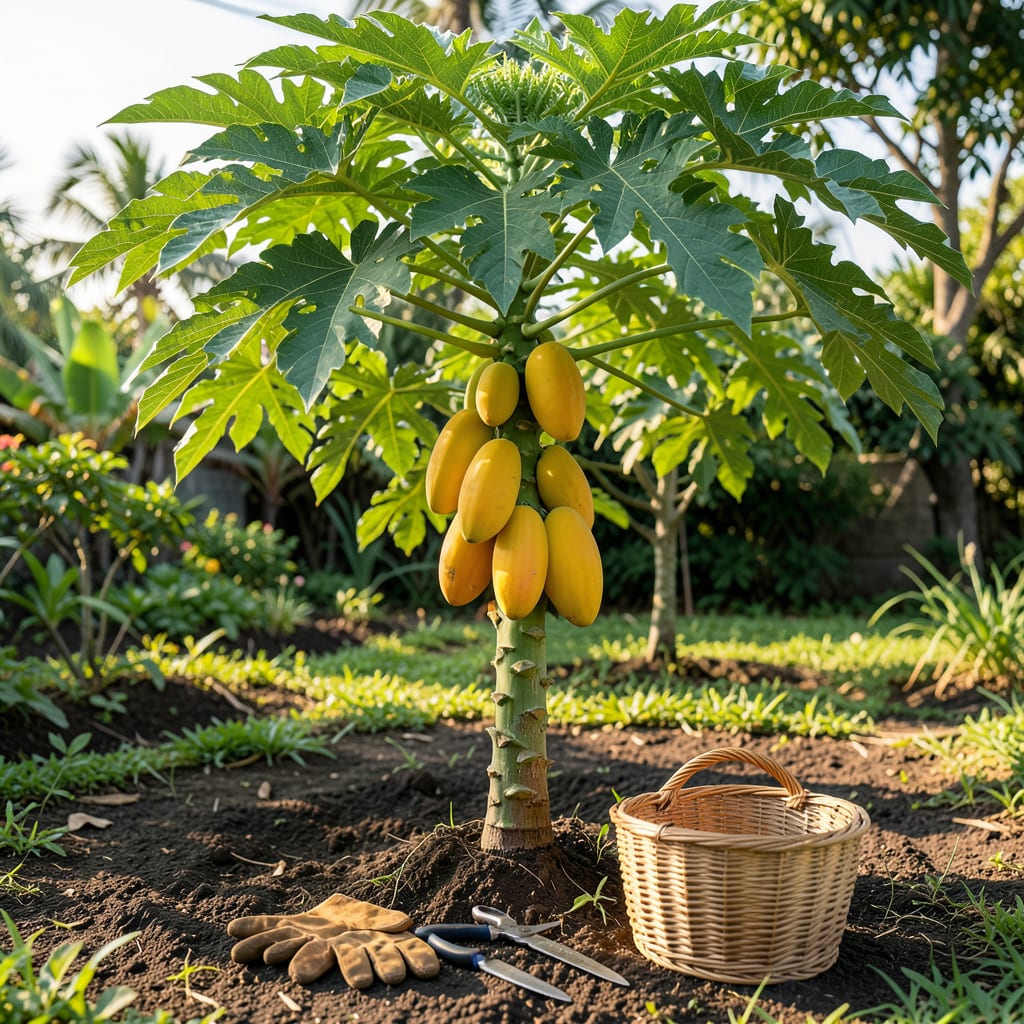
Nothing beats the taste of a perfectly ripe 🍈 Papaya straight from your tree. But pick too soon and it’s hard as a rock; wait too long and it turns to mush.
I’ll show you the foolproof signs to know exactly when your Papaya is ready. No more guessing games – just sweet, juicy fruit every time.


Timing your papaya harvest perfectly means the difference between tart disappointment and sweet perfection. I’ve learned that waiting for clear visual cues prevents premature picking.
Look for these five reliable indicators to ensure your fruit is at its peak. Each sign reveals something unique about the ripening process inside the fruit.
The skin shifts from deep green to yellow or orange, starting at the blossom end. This is your first visual confirmation of ripening.
A ripe papaya develops a slightly wrinkled skin near the stem. This texture change signals the fruit is softening inside.
The stem dries out and may pull away slightly from the fruit. A green, firm stem means it’s not ready yet.
A sweet, tropical scent at the stem end indicates ripeness. No aroma means the fruit needs more time on the tree.
Press lightly with your thumb. A ripe papaya yields slightly, like a ripe avocado, but doesn’t feel mushy.
The color change is often the most obvious sign, but I’ve found that relying on just one indicator can be misleading. A green papaya might still be firm even if it looks yellow in spots.
Combining the aroma test with the gentle squeeze gives me the most accurate results. If it smells sweet and gives slightly, it’s ready to come off the tree.
The stem condition is another reliable cue. When it starts to dry and separate from the fruit, that’s nature’s way of saying the harvest window is open.
For first-time growers, I recommend checking the fruit every 2-3 days once it starts changing color. Papayas can ripen quickly once they begin the process.
Remember, overripe papayas become mushy and fermented. If you notice the skin turning dark yellow with brown spots, harvest immediately to prevent waste.
Using these five signs together ensures you’ll never pick a papaya too early or too late again. 🌳
Testing papaya ripeness without picking is key to avoiding bruised or wasted fruit. I rely on gentle, non-invasive methods to check if my papaya is ready while it’s still on the tree. This way, I can monitor progress daily.
First, I use the gentle squeeze test—applying light pressure to see if the fruit gives slightly. If it’s still hard as a rock, it needs more time. Next, I observe the color transition from green to yellow.
⚠️ Avoid These Mistakes
Don’t twist or pull the fruit—this can damage the stem. Never use your fingernails for the scratch test as it can puncture the skin.
The scratch test involves lightly running a fingernail along the skin. If the scratch turns white, the papaya isn’t ripe yet. A ripe one will show yellow or orange beneath the scratch.
Another method is the sound check. Tap the fruit lightly—an unripe papaya will sound hollow, while a ripe one will produce a dull thud. This works best with larger fruits.
I also pay attention to the fruit’s position on the tree. Papayas that are hanging downward or slightly detached from the trunk are often closer to ripeness than those standing upright.
Finally, I check the stem area for softness and aroma. A ripe papaya will have a sweet scent near the stem, and the skin may begin to separate slightly from the flesh.
These tests help me pick at the perfect moment for the best flavor and texture 🌳
Even with careful monitoring, sometimes we pick a papaya a bit too soon. Don’t worry—there are effective ways to ripen it indoors and still enjoy sweet, flavorful fruit. I’ve successfully saved many early picks using simple household methods.
If your papaya is still green or firm, try placing it in a paper bag with a ripe banana or apple. The ethylene gas these fruits release speeds up ripening naturally. 🌱
Place the papaya in a brown paper bag with a banana or apple. Seal the bag and leave at room temperature for 1-2 days.
Bury the papaya in a container of uncooked rice or hay. This traps ethylene gas and accelerates the ripening process.
Store the papaya in a warm spot (around 80°F). Check daily for softness and color change.
I’ve found the paper bag method works best for most situations. It’s simple, and the ethylene exposure mimics natural ripening on the tree. Just avoid sealing it too tightly—some airflow is essential.
Remember, a partially ripe papaya will still need 2-3 days indoors to reach peak flavor. If it’s very green, it may take up to a week with these methods. 🌿
Once ripe, move it to the refrigerator to slow further ripening. This preserves the sweet flavor and texture for a few more days of enjoyment.
Check for a yellow or orange color change starting at the blossom end. Gently press the fruit—it should yield slightly like a ripe avocado. A sweet aroma at the stem is another clear sign.
An underripe papaya will stay hard and lack sweetness. It may ripen indoors with ethylene exposure, but the flavor and texture won’t match tree-ripened fruit. Always check for the gentle give test first.
Yes, overripe papayas become mushy and can ferment on the tree. Harvest immediately if the skin turns dark yellow with brown spots. Daily checks are best once ripening starts.
Yes, but it needs help. Place it in a paper bag with a banana at room temperature for 1-2 days. The ethylene gas will speed up the process naturally.
