
Beautiful Plants For Your Interior
Beautiful Plants For Your Interior
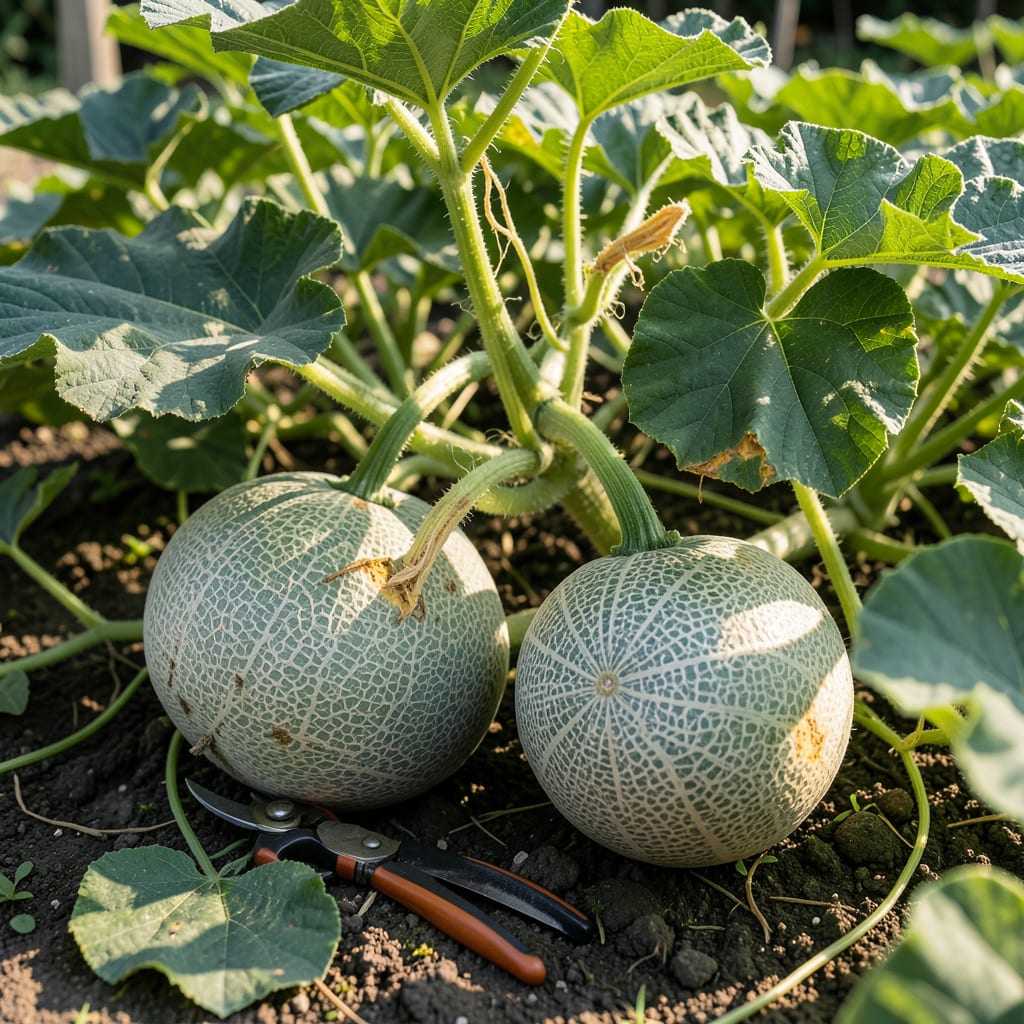
Picking a Muskmelon 🍈 at the perfect moment means the difference between bland disappointment and burst-of-sunset sweetness. The secret lies in knowing the exact right time.
I’ll show you the telltale signs—stem slip, scent, and color—that guarantee your Muskmelon is ready. These simple tests take the guesswork out of harvesting.


The stem slip test is my go-to method for perfect Muskmelon harvests. As the fruit ripens, the stem naturally detaches from the vine. This is nature’s way of saying, “I’m ready!”
You’ll know it’s time when the stem separates cleanly with just a gentle tug. This happens because the abscission layer forms between the stem and vine, cutting off the fruit’s nutrient supply.
| Sign | Meaning |
|---|---|
| Full slip | Perfectly ripe, ready to pick |
| Partial slip | Almost ready, check in 1-2 days |
| No slip | Not ripe, needs more time |
I always check for the full slip first thing in the morning when the vines are fresh. The stem should come away with just a light touch, leaving a clean break on the vine side.
A common mistake is pulling too hard, which can damage the vine or fruit. If you have to yank, it’s not ready! I’ve learned that patience pays off with sweeter melons.
The stem slip works because as the Muskmelon matures, it stops producing ethylene gas, which triggers the separation. This is why size alone isn’t a reliable indicator.
For the best results, I combine the stem test with other signs. A fully ripe melon will also have a sweet aroma at the blossom end and a slight softness there.
Remember that vine ripened melons develop maximum sweetness. Once picked, they won’t continue to ripen significantly, so timing is crucial.
In my experience, the stem slip test is most accurate when the rind color has changed from green to tan or yellow beneath the netting. This color change is another reliable indicator.
I recommend checking your melons daily once they reach mature size. The transition from no slip to full slip can happen quickly, sometimes overnight!
With practice, you’ll recognize the perfect moment by feel alone. Trust the process and your Muskmelon will reward you with perfect sweetness 🌿
I always tell gardeners that Muskmelon ripeness isn’t just about size. The sweet musky aroma at the blossom end is your first clue. A strong, pleasant smell means it’s nearly ready to pick.
Next, check the rind color. Most varieties change from green to tan or yellow as they ripen. The veins on the rind should also become smooth rather than raised.
The blossom end should give slightly when pressed with your thumb. This softening is a sure sign the fruit is maturing properly inside.
Remember, climate affects ripening. In hotter areas, melons may mature 5-7 days faster than in cooler zones. Always check the vine’s overall health too.
For variety-specific tips, note that honeydew types stay green but develop a creamy yellow tint. Caspian melons turn golden when ready.
I find the combination of tests works best. Use scent, color, and touch together for the most accurate harvest timing. This method rarely lets me down.
Patience pays off with perfectly ripe melons every time. 🌱
I’ve seen many gardeners make the same mistakes with Muskmelon harvesting. The most common is relying solely on fruit size. Bigger doesn’t always mean ripe!
Another frequent error is ignoring the stem. If you’re not checking for that telltale slip, you might miss the perfect window. The stem connection tells you more than any other indicator.
Avoid picking after rain—excess moisture can mask ripeness signs and lead to bland fruit.
Harvesting too early means underdeveloped sugars. The melon won’t reach its full sweetness potential. I’ve learned this the hard way with pale, tasteless harvests.
Waiting too long is just as bad. Overripe melons become mushy and lose their vibrant flavor. The window for perfect ripeness is often just 2-3 days wide.
Also, don’t harvest in the heat of day. The vines are stressed, and the fruit won’t store as well. Early morning is always best for both plant and harvester.
Remember, patience and observation are your best tools for perfect Muskmelon timing 🌿
Check daily once the rind turns tan or yellow. A gentle tug should separate it cleanly when ripe. If it resists, wait 1-2 days and test again
Not reliably. A small melon with stem slip is riper than a large one still attached. Always combine size with other signs like scent and color
Lack of aroma means it’s not ready. Wait for a strong, sweet musky scent at the blossom end. This develops in the final 2-3 days of ripening
Avoid harvesting then. Excess moisture can hide ripeness signs and lead to watery flavor. Wait for dry conditions to test properly
