
Beautiful Plants For Your Interior
Beautiful Plants For Your Interior
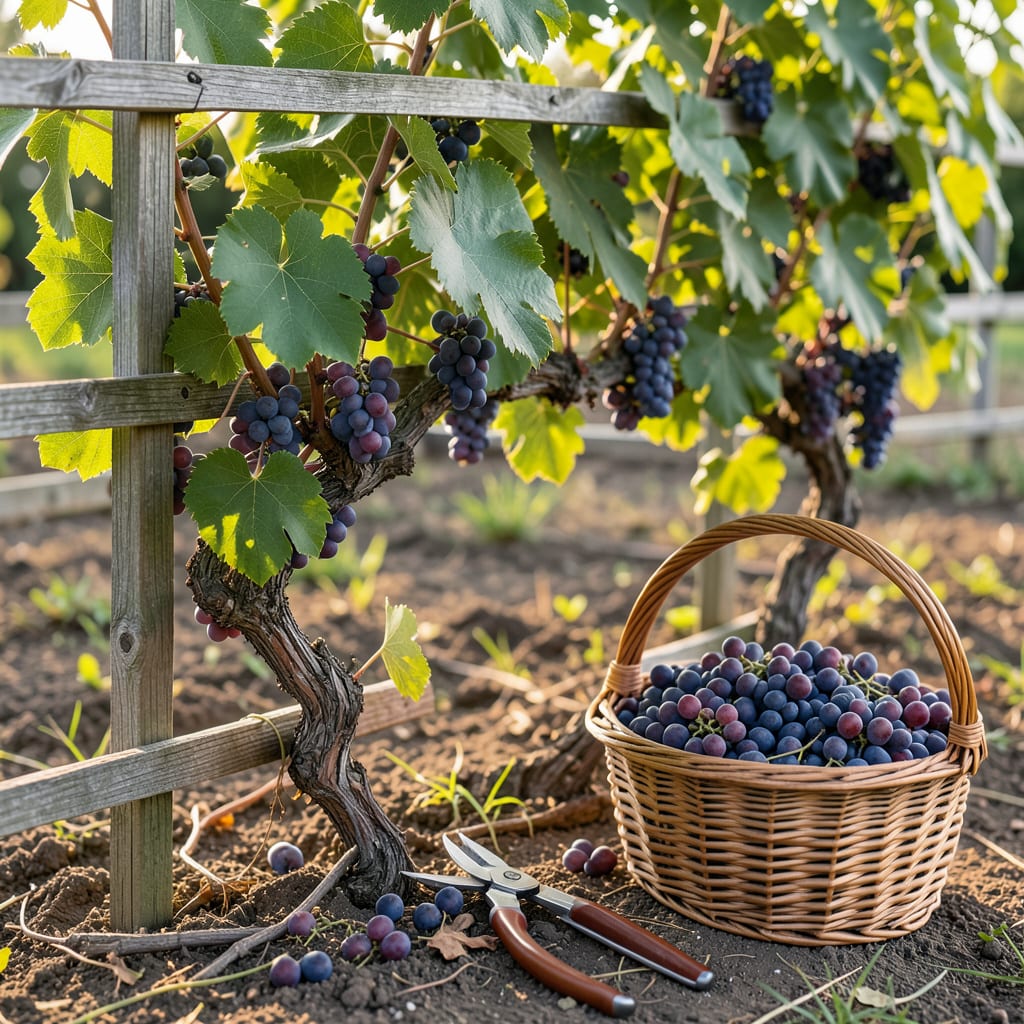
Nothing beats the taste of a perfectly ripe Muscadine 🍇, but picking too early means missing out on that sweet, juicy burst. Timing is everything when it comes to harvesting these Southern favorites.
I’ll show you the simple signs to watch for, from color changes to easy stem separation. With these tips, you’ll never wonder again about the best moment to pluck them from the vine.


Knowing the perfect moment to harvest muscadines ensures you get the sweetest, juiciest fruit. The key is watching for visual changes and physical cues on the vine.
I always check for a deep purple or bronze color, as green muscadines are still ripening. The skin should look slightly wrinkled and the fruit should feel plump when gently squeezed. 🌿
| Sign | Description |
|---|---|
| Color | Deep purple or bronze |
| Texture | Slightly soft to touch |
| Aroma | Sweet smell near stem |
| Stem | Dries and browns |
The easiest test is the taste test—ripe muscadines will be sweet with no tartness. If it’s still sour, leave it on the vine for a few more days.
Another reliable sign is when the fruits start dropping from the vine naturally. This happens when they’re at peak ripeness and the stem dries out completely.
I also look for wrinkling near the stem, which indicates the sugar content is high. The skin may develop a dull finish rather than a shiny one as it matures.
The time of year matters too—most muscadines ripen from late August through October, depending on the variety and your climate zone.
For bronze varieties, the color change is more subtle, so I rely on the stem drying and the slight give when pressed as my primary indicators.
Remember, muscadines don’t ripen after picking, so it’s crucial to let them fully mature on the vine. Picking too early means missed sweetness that can’t be recovered. 🌱
If you’re unsure, check a few fruits from different parts of the vine. Consistency in ripeness signs means it’s time for a full harvest. I like to pick in the morning when temperatures are cooler.
Timing your muscadine harvest for the best flavor means paying attention to both the season and the time of day. These grapes thrive in warm climates and typically ripen from late August to October. 🌿
The ideal time of day to pick is in the early morning when temperatures are cooler. This helps preserve the fruit’s freshness and sweetness during storage.
Key Takeaway: Harvest muscadines on a dry day in the morning after the dew has evaporated but before the heat peaks.
I avoid picking after rainfall because excess moisture can dilute the sugar content and make the fruit more prone to spoilage during storage. Always check the weather forecast before planning your harvest.
For bronze varieties, the seasonal window might start a bit earlier, around mid-August. The purple varieties usually follow a week or two later, depending on your USDA zone.
In hotter climates, muscadines may ripen faster, so I monitor them closely starting in late summer. In cooler areas, the harvest might extend into early November if frost hasn’t arrived yet. ☀️
Consistency is key—once you notice the first ripe clusters, check the vine daily. Muscadines don’t all ripen at once, so you’ll likely need multiple harvests over several weeks. I like to space my picking sessions 3-5 days apart.
Finally, always use sharp pruners or scissors to avoid damaging the vine. Gently twist the fruit if it doesn’t come off easily—it might need more time to ripen fully. 🪴
Even experienced gardeners sometimes pick muscadines too early or too late. The biggest mistake I see is harvesting based on color alone. Some varieties stay green even when ripe.
Another common error is ignoring the stem condition. If the stem is still green and flexible, the fruit isn’t ready. I always check that the stem has dried and turned brown before picking. 🌿
Warning: Picking muscadines before the stem dries can result in tart fruit that won’t sweeten further.
Many gardeners also overlook the texture test. Ripe muscadines should give slightly when pressed. If they’re rock hard, they need more time on the vine.
Timing your harvest after heavy rain is another mistake. The excess water can make the fruit less sweet and more prone to splitting. I always wait for dry weather to pick. ☀️
Finally, don’t pull the fruit forcefully. If it doesn’t come off with a gentle twist, it’s not ready. This simple test prevents premature harvesting and ensures maximum sweetness.
Look for a deep purple or bronze hue. Green or light colors mean they’re not ripe yet. Bronze varieties may show subtle changes, so check texture too.
This is a natural sign of ripeness! When the stem dries and the fruit reaches peak sweetness, it often detaches easily. It’s a great indicator for harvesting.
Avoid harvesting after rainfall. Excess moisture dilutes sugar content and can cause splitting. Always wait for dry weather to ensure the best flavor.
Once the first clusters show signs, check daily. Muscadines don’t all ripen at once, so plan for multiple harvests over several weeks.
