
Beautiful Plants For Your Interior
Beautiful Plants For Your Interior
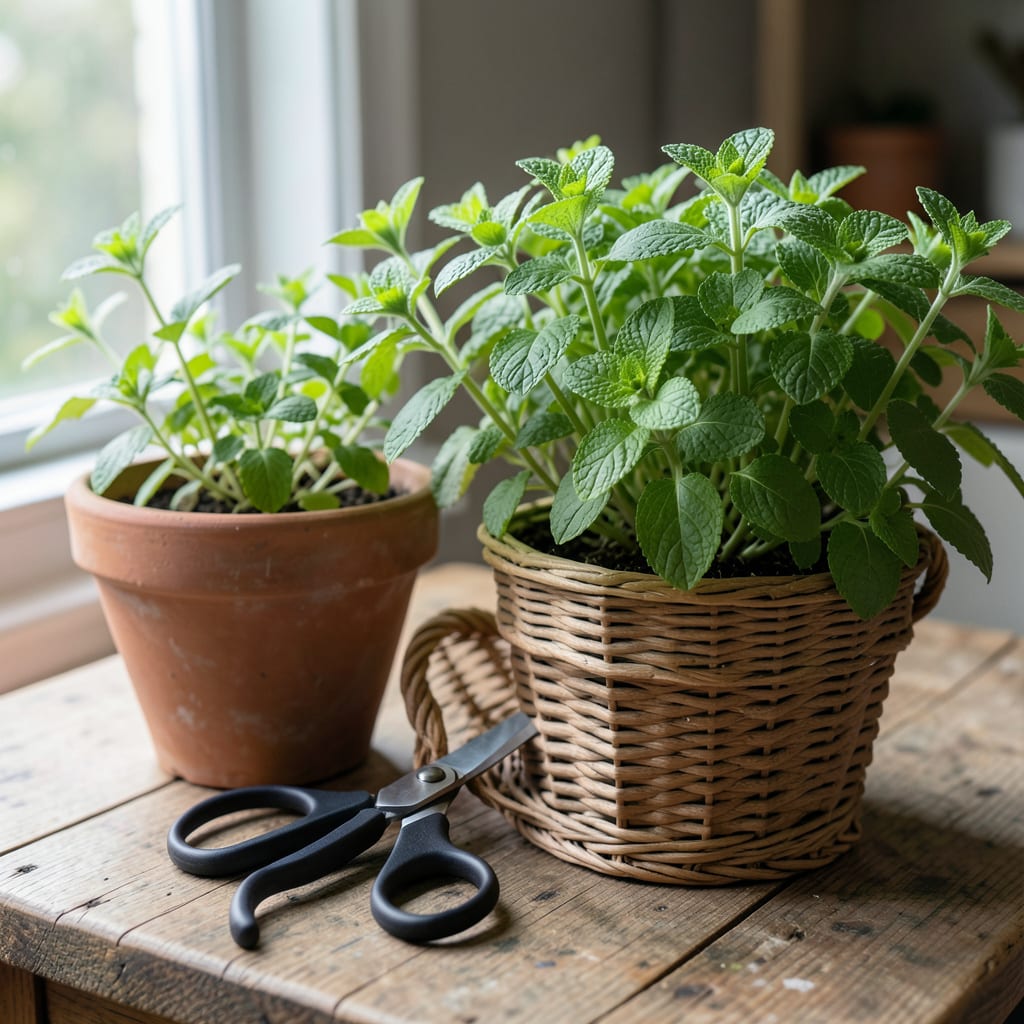
Harvesting Mint at the right time makes all the difference between bland and bold flavor. The 🌿 plant gives clear signals when it’s ready, if you know what to look for.
I’ll show you the easiest way to spot peak ripeness and avoid the most common picking mistakes that ruin your harvest.


Knowing when to pick mint starts with watching your plant’s growth. I look for 6-12 inch tall stems with plenty of leaves. This height signals the plant has enough foliage to spare.
Another clear sign is sturdy stems that don’t flop over. When I gently bend a stem and it snaps easily, I know it’s ready for harvesting mint. This test works better than any calendar date.
| Readiness Sign | What to Look For |
|---|---|
| Plant Height | 6-12 inches tall |
| Stem Condition | Sturdy, snaps easily |
| Leaf Quantity | Bushy with many leaves |
| Fragrance Test | Strong mint aroma when crushed |
The fragrance test is my favorite method. I rub a leaf between my fingers – if the minty scent is strong, it’s harvest time. Weak aroma means the plant needs more time to develop its oils.
I also check the leaf color. Ready mint has vibrant green leaves that look healthy and full. Yellowing or brown spots indicate problems, not ripeness.
For best results, I examine the entire plant rather than just one stem. Consistent growth across the whole plant means it’s ready. Patches of small leaves suggest uneven development.
I’ve found that morning harvesting after the dew dries gives the strongest flavor. The essential oils are most concentrated at this time, making your harvest more fragrant.
Remember that flower formation is optional. You can harvest before or after flowers appear, but I prefer to pick before flowering to encourage bushier growth.
If your mint feels sparse or weak, give it another week. Rushing the process results in smaller yields and less flavorful leaves. Patience always pays off with herbs.
Finally, trust your senses. The combination of height, stem strength, and aroma never lies. When all three factors align, your mint is at its peak and ready to pick. 🌿
Timing your mint harvest can dramatically improve flavor. I always pick in the early morning after the dew evaporates but before the heat sets in. This is when the essential oils are most concentrated.
The best seasons for harvesting are late spring through early fall. In my garden, this means June to September. The plant is most vigorous during these warmer months.
I avoid harvesting during the hottest part of the day. The sun’s intensity can cause the oils to evaporate, leaving you with less flavorful leaves. Early morning or late afternoon works best.
In my experience, overcast days are ideal for harvesting. The cooler temperatures help preserve the aromatic compounds in the leaves. Even a light cloud cover makes a noticeable difference.
I also watch the plant’s life cycle. Harvesting before flower buds form encourages more leaf production. Once flowers appear, the plant focuses energy on reproduction rather than leaf growth.
For the strongest flavor, I harvest regularly but never take more than one-third of the plant at once. This allows the mint to recover and continue producing fresh growth. 🌿
Even experienced gardeners make harvesting mistakes with mint that reduce quality. I’ve seen premature picking lead to weak plants and poor flavor. The most common error is harvesting too early when stems are still thin.
Another frequent issue is over-harvesting. Taking more than one-third of the plant at once stresses it. I always leave plenty of foliage for the mint to recover and continue growing.
⚠️ Warning: Never harvest mint when leaves are wet. This encourages fungal diseases and reduces shelf life.
Using dull tools is another mistake I avoid. Clean, sharp pruners or scissors make clean cuts that help the plant heal faster. Jagged cuts from dull blades invite disease and slow regrowth.
I also watch for ignoring plant health. Yellow leaves or wilting stems mean your mint isn’t ready for harvest. Address any watering issues or pests first, then wait for the plant to recover.
Harvesting at the wrong time of day affects flavor. I never pick during the hottest hours when essential oils are depleted. The cool morning after dew dries is always my preferred window.
Finally, I avoid harvesting flowering stems if I want more leaf production. Once mint starts flowering, it focuses energy on seeds rather than leaves, giving you a smaller leaf harvest. ✂️
Wait until stems reach 6-12 inches tall with bushy growth. This ensures enough foliage for a good harvest while leaving plenty for regrowth.
Yes! Pick in the early morning after dew dries. Essential oils are most concentrated then, giving you the strongest minty flavor.
You can, but it’s better to pick before flowering. Once flowers appear, the plant focuses on seeds rather than leaf growth, reducing your yield.
Never remove more than one-third of the plant at a time. This prevents stress and allows the mint to recover and keep producing.
