
Beautiful Plants For Your Interior
Beautiful Plants For Your Interior
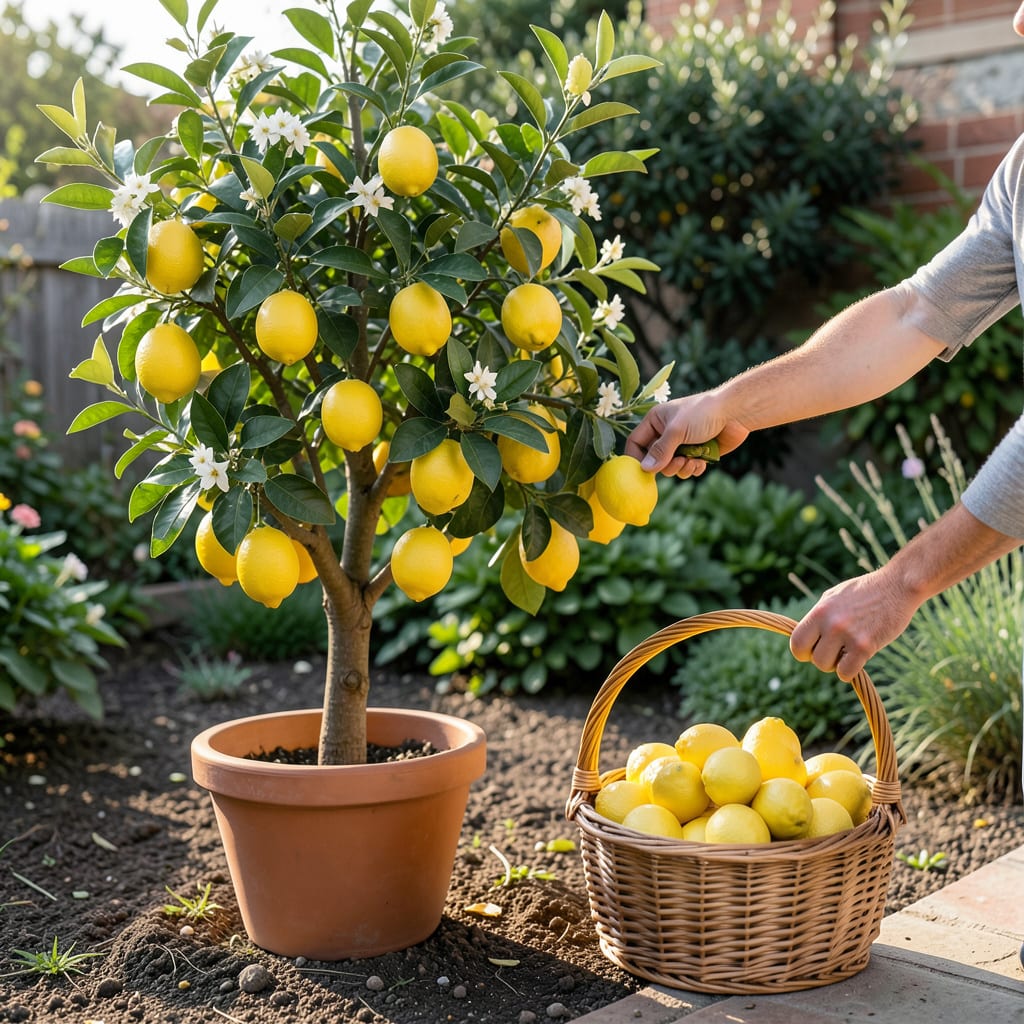
There’s nothing quite like plucking a Meyer Lemon 🍋 from your own potted tree at its peak ripeness. The timing makes all the difference between tart disappointment and bursting citrus sweetness.
I’ll show you the subtle signs to watch for and why your container-grown tree might have its own unique schedule. Discover how to nail the perfect harvest every time.


Timing your Meyer Lemon harvest is both an art and a science. Potted trees often ripen differently than their ground-planted cousins due to controlled light and temperature conditions. I’ve learned that the fruit won’t continue ripening once picked, so getting it right the first time is crucial.
The first sign I look for is color progression. Meyer lemons transition from deep green to a vibrant yellow-orange hue. Don’t be fooled by partial color changes—wait until the entire peel has shifted.
| Indicator | Ripe Sign | Not Ready Sign |
|---|---|---|
| Color | Deep yellow-orange | Green or pale yellow |
| Texture | Slightly soft to touch | Hard and firm |
| Aroma | Strong citrus scent | Little to no aroma |
| Stem | Fruit separates easily | Difficult to detach |
Next, I check the skin texture. A ripe Meyer lemon will feel slightly soft when gently squeezed, much like a ripe avocado. If it’s rock hard, it’s not ready. The peel should also appear smooth and glossy, not dull or wrinkled.
The aroma is another dead giveaway. As the fruit matures, it develops a strong, sweet citrus fragrance. If you can smell that signature Meyer lemon scent from a foot away, you’re in the harvest window. No aroma means it needs more time.
Size matters too. Meyer lemons typically reach 2-3 inches in diameter when mature. If your fruit is still small, even with good color, it’s likely not fully developed. Potted trees sometimes produce smaller fruit, so compare to the size of mature lemons you’ve seen before.
For potted trees, I pay extra attention to the growing conditions. If your tree is indoors, it might take longer to ripen due to less direct sunlight. Outdoor potted trees in warm climates may have a shorter ripening period but can produce fruit year-round.
I always do a gentle twist test. If the lemon comes off the stem with minimal effort, it’s ready. If you have to yank it, leave it for another week. This method prevents damaging the fruit or the tree.
Remember, Meyer lemons can take up to a year to ripen from flower to fruit. Patience is key, especially with potted trees that might have variable conditions. Trust the visual and tactile cues over a strict timeline.
Finally, taste is the ultimate test. If you’re unsure, pick one and sample it. A perfectly ripe Meyer lemon will be sweet with just a hint of tartness. If it’s still sour, give the rest more time.
☀️Harvesting Meyer lemons at the wrong time can ruin months of care. I’ve seen gardeners pick green fruit thinking it would ripen indoors, but citrus doesn’t ripen off the tree like bananas. Once picked, it stays exactly as is.
Another common error is waiting too long. Overripe lemons become dry and bitter, losing their signature sweetness. If the fruit starts to wrinkle or the peel turns dull, you’ve missed the window. Potted trees can be tricky because their controlled environment may delay or speed up ripening.
⚠️ Warning: Indoor lighting can distort color perception. Always check ripeness in natural daylight to avoid picking too early or late.
Misjudging color is a big issue with potted trees. If your tree is under grow lights or in a shaded spot, the lemons might appear ripper than they are. I always take my fruit outside to check its true color under sunlight before deciding.
Picking without the gentle twist test can damage both fruit and tree. If you have to pull hard, the lemon isn’t ready. Forcing it can strip the stem and leave the tree vulnerable to disease or pest infestations.
Ignoring size is another mistake. Even if the color looks right, a small lemon might not be mature. Meyer lemons should reach at least 2 inches in diameter. Potted trees might produce slightly smaller fruit, but don’t harvest until they’ve reached their full potential.
Finally, don’t assume all lemons on the tree ripen at once. Staggered ripening is normal, especially for potted trees. Check each fruit individually. I often find some ready while others need weeks more. Patience and regular checks ensure the best harvest. ☀️
Meyer lemons are unique because they can produce fruit year-round, but timing varies by climate and growing conditions. For potted trees, I’ve found the peak harvest window is typically late fall through winter. This is when the fruit reaches its sweetest flavor profile.
In warmer climates like USDA zones 9-11, your potted tree might yield two main flushes of fruit annually. The first often arrives in early winter, with a second potential harvest in late spring. Indoor trees may have a more extended season due to stable temperatures.
For potted trees, the growing environment plays a huge role. If your tree is indoors, it may take longer to ripen due to less direct sunlight. I recommend checking fruit monthly once it starts to show color.
Outdoor potted trees in full sun can ripen faster, sometimes in as little as 6-8 months from flowering. However, if temperatures drop below 50°F, ripening slows down significantly. In these cases, consider moving pots indoors to maintain progress.
Watch for the first flush of fruit, which often appears in late summer and ripens by winter. A second flush may develop in spring and be ready by early summer. Potted trees are more likely to have staggered ripening, so don’t expect all fruit to be ready at once.
☀️Look for a deep yellow-orange hue all over the peel. Partial color changes mean it needs more time. Always check in natural light to avoid indoor lighting distortion.
No, citrus doesn’t ripen off the tree like some fruits. Once picked, the flavor and sweetness won’t improve. Wait until fully ripe on the branch.
For potted trees, inspect fruit weekly once color starts changing. Indoor trees may need monthly checks due to slower ripening. Patience prevents early picking.
This is normal, especially with potted trees. Harvest ready fruit individually. Don’t wait for all to ripen at once or you may miss the perfect window.
