
Beautiful Plants For Your Interior
Beautiful Plants For Your Interior
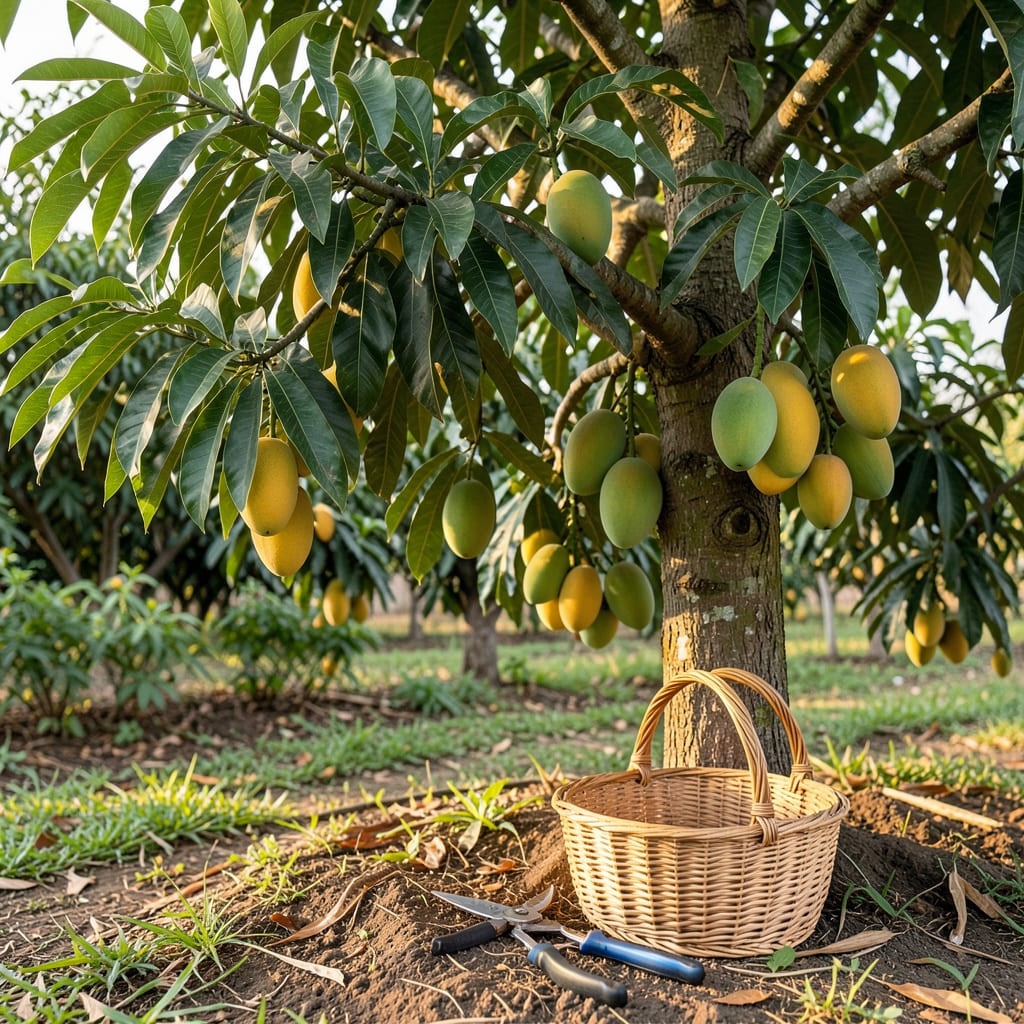
Knowing exactly when to pick mangos from your tree can mean the difference between a tart disappointment and a burst of tropical sweetness. Timing is everything for that perfect 🥭 Mango harvest.
I’ll show you the key signs to watch for, from color changes to aroma, so you never miss that ideal moment when your fruit is at peak ripeness.


Timing your mango harvest perfectly ensures the sweetest, juiciest fruit. I look for visual changes first, like color shifts from green to vibrant yellows, oranges, or reds depending on the variety.
Don’t rely on color alone though. The shoulders of the fruit should appear fuller and rounded as they approach ripeness. This is often the first noticeable change before other signs appear.
| Harvest Sign | What to Look For |
|---|---|
| Color Change | Fruit turns yellow, orange, or red |
| Texture | Slight give when gently squeezed |
| Aroma | Sweet mango scent at the stem |
| Shape | Fuller shoulders on the fruit |
| Days From Flowering | 120-150 days for most varieties |
Next, I check for tactile signs. Gently squeeze the fruit – it should have a slight give, similar to a ripe avocado. If it’s rock hard, it’s not ready yet.
The stem area is another telltale spot. A ripe mango will emit a sweet, fruity aroma here. If there’s no smell, your fruit likely needs more time on the tree.
Remember that harvest times vary by variety. For example, Haden mangos typically ripen in June-July, while Keitt mangos often ripen later in August-September.
In tropical climates like South Florida, you might see multiple harvest windows throughout the year. Subtropical areas usually have one main summer harvest season.
I always recommend checking a few fruits from different parts of the tree. Ripening can be uneven, especially with heavy fruit loads or varying sun exposure.
If you’re unsure, pick one fruit and let it ripen indoors. Mangos will continue to ripen off the tree, though they won’t be as sweet as tree-ripened ones. This can help you gauge when to harvest the rest.
Watch the weather conditions too. A heat wave can accelerate ripening, while cool temperatures might slow it down. Adjust your harvest timing accordingly.
With these signs in mind, you’ll be able to confidently determine the perfect harvest window for your mango tree. 🌳
Mango harvest seasons vary significantly by climate zone and region. In tropical areas like South Florida or Hawaii, your tree may produce multiple harvests throughout the year, with peak seasons often in spring and summer.
For subtropical regions such as parts of California or Texas, the main harvest typically occurs during the summer months, usually from May through September. This aligns with the 120-150 day maturation period after flowering.
In desert climates like Arizona, the intense heat can accelerate ripening, so you might start harvesting as early as June. The dry air helps concentrate sugars, but watch for sunburn on exposed fruit.
For cooler subtropical edges, such as parts of North Florida, the season is shorter. You’ll likely harvest from July through August, when temperatures are consistently warm enough to ripen the fruit properly.
I always recommend checking your local extension office for variety-specific advice. Some late-season varieties like Keitt may ripen as late as October in warmer microclimates.
Remember that microclimates matter too. A tree on the south side of your property or near a heat-absorbing wall may ripen 1-2 weeks earlier than others. 🌳
Picking mangos too early results in starchy, sour fruit that lacks sweetness. The texture will be hard and fibrous, making it unpleasant to eat fresh. These fruits may never fully ripen properly off the tree.
On the other hand, overripe mangos become mushy and fermented. They develop an off-putting odor and may fall from the tree before you can harvest them. The shelf life also shortens significantly.
If you accidentally pick underripe mangos, you can try ripening them indoors in a paper bag with a banana. While they won’t be as sweet as tree-ripened fruit, this can improve their flavor and texture.
For overripe fruits, immediate processing is your best option. Use them in smoothies or purees where texture is less critical. Avoid storing them as they’ll spoil quickly.
The ideal harvest window is when fruits show multiple ripeness signs simultaneously. This ensures the best balance of sweetness, texture, and aroma. 🌳
Check for a color shift from green to yellow, orange, or red, depending on the variety. The fruit should also have a slight give when gently pressed and emit a sweet aroma at the stem.
Yes, but they won’t be as sweet. Place them in a paper bag with a banana to speed up ripening. The flavor and texture improve, but tree-ripened fruit is always best.
Overripe mangos become mushy and fermented, with a short shelf life. They may also fall from the tree and spoil quickly. Use overripe fruit in smoothies instead.
In tropical areas like Florida, you may get multiple harvests per year. Subtropical regions typically see a May-September window. Desert climates ripen earlier due to heat.
