
Beautiful Plants For Your Interior
Beautiful Plants For Your Interior
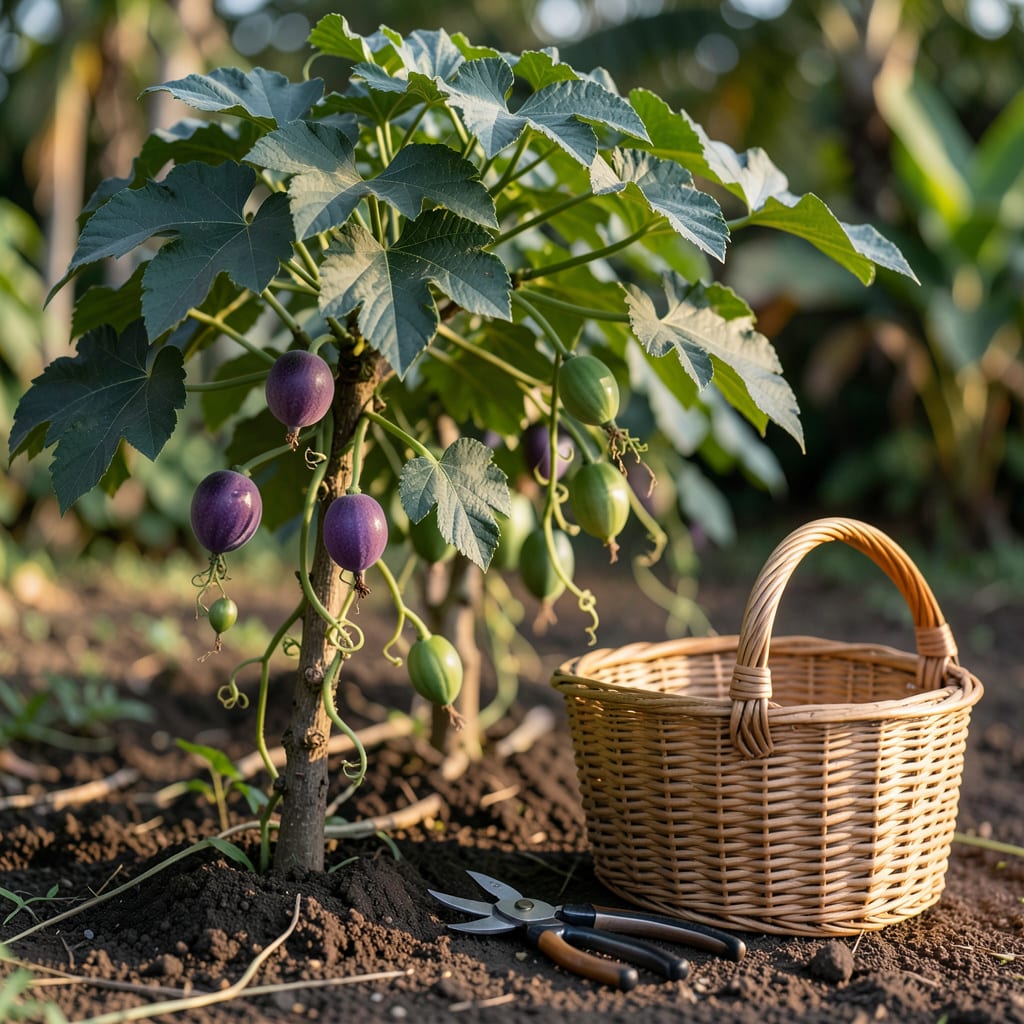
Nothing beats the taste of perfectly ripe 🧡 Passionfruit falling naturally from the vine. I learned the hard way that picking too early means missing that sweet, tropical burst we all crave.
Let me share how to spot the telltale signs your lilikoi is ready. From subtle color shifts to that characteristic wrinkle, you’ll never guess again when it’s harvest time.


I’ve found that lilikoi reveals its readiness through subtle visual cues and tactile changes. The first sign I always look for is a color transformation from bright green to deep purple or golden yellow.
Another clear indicator is when the fruit begins to wrinkle slightly, which signals the sugar content is peaking inside. I also check if the fruit feels heavy for its size, a sure sign of juicy ripeness.
I pay close attention to the stem condition too. When the stem dries and turns brown, it’s often a final confirmation that the lilikoi is ripe. This happens as the fruit detaches easily from the vine.
If I’m still unsure, I give the fruit a gentle shake. A ripe lilikoi will produce a dull thud rather than a hollow sound. This simple test helps me avoid picking unripe fruit.
The aroma is another giveaway. Ripe lilikoi emits a sweet, tropical fragrance that’s hard to miss. I find this scent intensifies as the fruit reaches its peak.
I also watch for natural fruit drop. When lilikoi falls to the ground, it’s often at its ripest. However, I pick it up quickly to prevent bruising or pest damage.
For gardeners in cooler climates, the ripening process may take longer. I recommend checking the fruit daily as it nears maturity to catch the perfect moment.
Remember, picking too early results in tart, underdeveloped flavor. Waiting for these 5 key signs ensures the best taste and texture from your lilikoi harvest. ☀️
I’ve learned that patience pays off with lilikoi. The wait for that perfectly ripe fruit is always worth it when you taste the rich, aromatic pulp inside. 🌿
Timing your lilikoi harvest depends on flowering date and climate conditions. In my experience, 70-90 days after blooming is the sweet spot for most varieties in USDA zones 9-11.
I’ve noticed warmer climates speed up ripening, while cooler areas may extend the process. The typical harvest window runs from July through November for most gardeners.
| Stage | Timeframe | Key Action |
|---|---|---|
| Flowering | March-April | Monitor pollination |
| Early Fruit | May-June | Watch for color change |
| Peak Harvest | July-November | Pick when wrinkled |
I track my lilikoi vines closely during summer months, as this is when most fruits reach maturity. The first fruits of the season often ripen faster than later ones.
For gardeners in tropical zones, you might see year-round production with proper care. I recommend marking your flowering dates to predict harvest times more accurately.
I’ve found that morning harvests work best, as the cool temperatures help preserve the fruit’s freshness. Always use clean pruners or twist gently to avoid damaging the vine.
Remember that vines in containers may ripen slightly slower than those in ground. I check my potted lilikoi plants daily during the peak season to catch them at just the right moment. 🌱
I’ve seen many gardeners rush the harvest and end up with underripe lilikoi. The most common mistake is picking too early when the fruit is still green or firm to the touch.
Another error I notice is waiting too long after the fruit has fallen. While natural drop indicates ripeness, leaving it on the ground too long can lead to overripening or pest damage.
⚠️ Warning: Avoid picking lilikoi when the skin is still smooth or the stem is green. This results in sour, unripe fruit.
I also caution against pulling the fruit from the vine. This can damage both the fruit and the plant. Instead, I gently twist or use clean pruners for a clean separation.
Some gardeners make the mistake of harvesting in rain or high humidity. I always wait for dry conditions to prevent mold growth on the fruit and maintain its quality.
Finally, I recommend checking fruit daily during peak season. Missing the perfect window by just a day or two can affect both flavor and texture. Patience and attention to detail are key! 🌿
Look for a shift from bright green to deep purple or golden yellow. This color change is the first visual sign that your fruit is nearing peak ripeness.
Typically 70-90 days from bloom to harvest in zones 9-11. Warmer climates may ripen faster, while cooler areas can extend this window.
No, wait for natural drop or slight wrinkling. Picking too early results in tart flavor, while fallen fruit is often at its sweetest peak.
Place nearly ripe fruit in a paper bag at room temperature. This concentrates ethylene gas to accelerate ripening, but don’t pick until color changes.
