
Beautiful Plants For Your Interior
Beautiful Plants For Your Interior
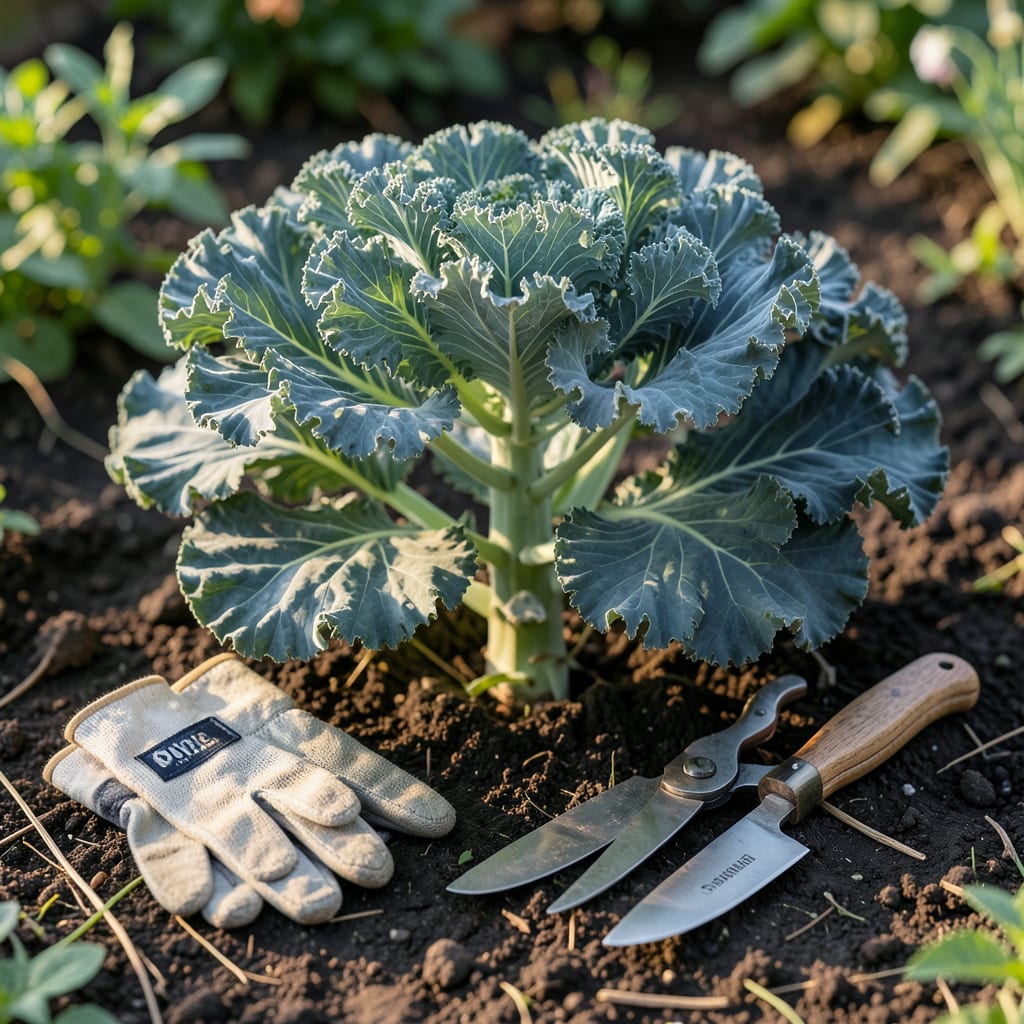
I remember the first time I picked kale too early – those tiny, bitter leaves were a far cry from the sweet, tender greens I was expecting. Timing your harvest is the key to unlocking the full potential of your 🥬 plants.
When you wait for those leaves to reach 8-12 inches, you’ll notice a world of difference in both flavor and texture. Let me show you exactly what to look for.


I always watch for leaf size as the first sign my kale is ready. The sweet spot is when leaves reach 8-12 inches long, which typically happens 60-75 days after planting. At this stage, the leaves are tender yet packed with flavor.
Another key indicator is plant maturity. Your kale should have 8-10 mature leaves before you start harvesting. The leaves will be deep green or purple, depending on the variety, and feel firm and crisp to the touch. ☀️
🌱 Kale Harvest Readiness Signs
| Sign | Detail |
|---|---|
| Leaf Size | 8-12 inches long |
| Color | Deep green or vibrant purple |
| Texture | Firm and crisp |
| Plant Maturity | 8-10 mature leaves |
I’ve found that spring kale often matures faster than fall kale due to the warming temperatures. For spring crops, start checking for readiness around late May, while fall crops are typically ready by late October.
Don’t overlook the stem condition. A sturdy, thick stem indicates the plant is strong enough to support continuous harvesting. If the stem feels weak or thin, give your kale a bit more time to develop.
The snap test is another great method. Gently bend a leaf at its base—if it snaps off cleanly, it’s ready to pick. If it bends without breaking, the leaf isn’t quite mature enough for the best texture.
For continuous harvests, I always pick the outer leaves first, leaving the center leaves to keep growing. This method encourages the plant to produce new growth, giving you a steady supply of fresh kale.
Watch out for leaves that are small or pale, as these are signs your kale isn’t ready. Similarly, wilting or yellowing leaves may indicate stress or over-maturity, which can affect flavor and texture.
If you’re growing Lacinato kale, the leaves might be ready a bit earlier, around 50-60 days. This variety tends to have a more tender texture even at slightly smaller sizes, so keep an eye on it as it grows. 🌿
Remember, frost can improve flavor. Kale is cold-hardy, and a light frost can make the leaves sweeter by reducing bitterness. If a frost is in the forecast, consider waiting a day or two after to harvest for the best taste.
Finally, always harvest in the morning when the leaves are at their crispest. This is when they’ll have the highest water content, making them perfect for fresh use or storage. ✂️
I always start harvesting my kale by focusing on the outer leaves first. This approach lets the center leaves continue growing, ensuring a continuous supply throughout the season. It’s a simple but effective technique.
For the cleanest cuts, I use sharp garden shears or scissors. This prevents tearing the leaves, which can stress the plant and invite disease. Always cut about 1-2 inches above the base of the leaf stem. 🌿
🌱 Kale Harvesting Steps
Never pull leaves off by hand, as this can damage the plant and reduce future yields. The central stem is particularly vulnerable, so avoid disturbing it during harvest. This keeps your kale healthy and productive.
For continuous harvests, I pick kale every 7-10 days during peak growing season. This schedule allows the plant to recover while providing a steady supply of fresh leaves for my gardening needs.
If you notice yellowing leaves, remove them immediately, as they may indicate disease or stress. Regularly harvesting the outer leaves also improves airflow around the plant, reducing the risk of fungal issues.
Finally, always harvest in the early morning when leaves are most hydrated. This ensures the best texture and flavor, and it helps the plant recover more quickly from the stress of harvesting. ✂️
I’ve noticed that kale varieties mature at different rates, which affects when to harvest. Lacinato kale (also called dinosaur kale) is often ready 50-60 days after planting. Its dark, bumpy leaves are tender even at smaller sizes.
Curly kale typically needs 60-75 days to reach peak flavor. The tightly curled leaves are sweetest when they’re 8-12 inches long. This variety handles frost well, often tasting better after a light chill.
🌱 Kale Variety Harvest Comparison
| Variety | Days to Harvest | Leaf Size |
|---|---|---|
| Lacinato | 50-60 days | 8-10 inches |
| Curly | 60-75 days | 8-12 inches |
| Red Russian | 55-70 days | 10-12 inches |
Red Russian kale falls in the middle, usually ready in 55-70 days. Its flat, purple-veined leaves are most flavorful at 10-12 inches. This type is often sweeter and more tender than curly kale.
I always check for true maturity signs regardless of variety. Look for firm stems and vibrant colors—these indicate the leaves will have the best texture and taste. Each variety has its own charm in the garden. 🌿
For all types, remember that younger leaves tend to be more tender. If you prefer a milder flavor, harvest when leaves are on the smaller side of their ideal range. Older leaves can turn bitter, especially in warmer weather.
Look for leaves that are 8-12 inches long and deep green or purple with a firm texture. They should snap easily from the stem when gently bent.
A light frost actually improves flavor by reducing bitterness. Kale is cold-hardy, so you can harvest until temperatures drop below 20°F.
Harvest every 7-10 days during peak season, always taking outer leaves first. This encourages new growth for a continuous supply.
Pick in the early morning when leaves are most hydrated. This ensures peak crispness and flavor for fresh use or storage.
