
Beautiful Plants For Your Interior
Beautiful Plants For Your Interior
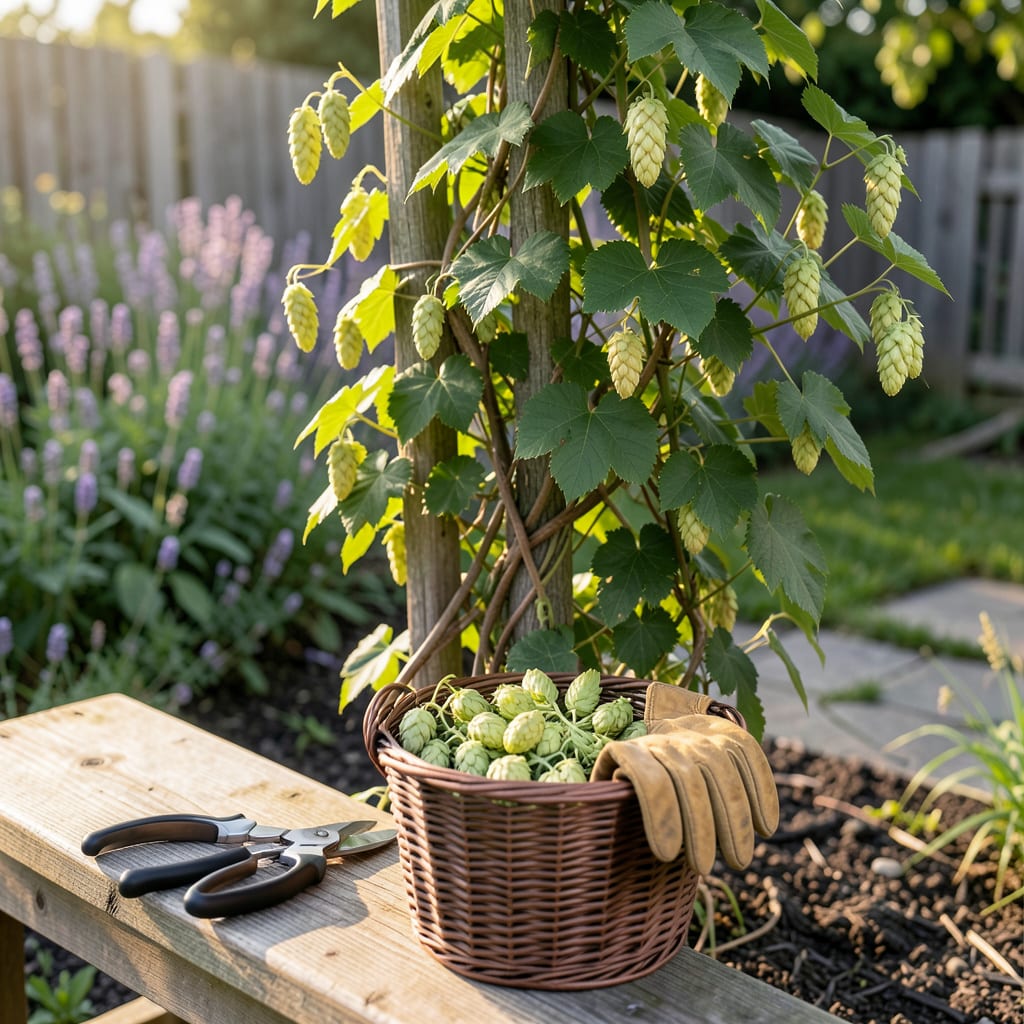
That moment when your 🌿 hops cones finally reach peak ripeness? It’s the difference between a mediocre brew and something truly spectacular. Too early, and you’ll miss out on bold flavors; too late, and bitterness takes over.
I’ve learned the hard way that timing is everything. Whether you’re a first-time grower or a seasoned brewer, knowing exactly when to harvest ensures your hops deliver that perfect aroma and taste. Let’s break down the signs so you never guess again.


When I first started growing hops, I made the mistake of harvesting based on calendar dates alone. Big error! The real secret lies in watching your plants—not your schedule. Hops cones develop their peak flavor and aroma compounds at a very specific moment.
You’ll know they’re ready when the cones feel light and dry to the touch, with a papery texture that springs back slightly when squeezed. The most telling sign? That sticky yellow lupulin inside—it should be abundant and fragrant, almost like a citrusy pine resin.
| Harvest Sign | What to Look For | Not Ready Yet |
|---|---|---|
| Cone Texture | Dry and papery ✅ | Soft and moist 🟢 |
| Lupulin Color | Bright yellow 🟡 | Pale or green 🟢 |
| Aroma | Strong, sweet, hoppy 🔊 | Faint or grassy 🔇 |
| Stem Color | Brown and dry ✅ | Green and flexible 📏 |
Test cones daily once they near maturity—flavor changes fast!
If you wait too long, those precious lupulin glands start to degrade. The cones become overly dry and lose their aromatic oils, leaving you with a harsh, bitter flavor instead of that crisp, floral note brewers love.
Here’s my foolproof test: Take a cone and roll it between your palms. If it leaves a sticky yellow residue and smells like heaven, you’re good to go. No residue? Give it another day or two. Too much residue? You’ve waited too long.
Different varieties mature at slightly different times. Cascade hops often ripen earlier than Centennial, while Fuggle cones might hang on a bit longer. I keep a harvest journal to track which varieties peak when in my garden.
Pro tip: Harvest on a dry, sunny morning after the dew has evaporated. Wet cones are harder to dry properly, and excess moisture can lead to mold. Trust me—I’ve ruined a batch by picking after a rainstorm.
Don’t forget to check the cone size too. Most varieties are ready when they’re 1.5 to 3 inches long, though some (like Galena) can grow larger. Size alone isn’t enough—always combine it with the texture and aroma tests.
If you’re still unsure, try the paper bag test: Place a few cones in a brown paper bag for 24 hours. If they’re ready, the bag will smell intensely hoppy. No smell? They need more time.
Remember, hops don’t ripen all at once. You’ll likely need to harvest in stages, picking the ready cones and leaving the rest for a few more days. It’s extra work, but your future beer (or tea!) will thank you.
Once you’ve nailed the timing, handle those cones with care. Bruised hops lose flavor fast. I use sharp pruners to snip the cones off the bine, leaving a short stem attached for easier drying. Now you’re ready for the next step: drying and storing to preserve that perfect flavor! 🌿
If you’ve ever wondered why your Cascade hops are ready before your Fuggle, it’s not just luck—it’s variety-specific timing. Each hop cultivar has its own maturity window, and knowing these differences can make or break your harvest success.
Most hops reach peak ripeness between late August and early September, but climate and variety play huge roles. In my garden, Centennial cones often ripen a full week before Willamette. That’s why I created this variety-specific guide to help you plan.
| Variety | Typical Harvest Window | Climate Adjustments | Special Notes |
|---|---|---|---|
| Cascade | Mid-August | 1-2 weeks earlier in hot climates | Floral, citrusy aroma peaks fast |
| Centennial | Late August | Delay 1 week in cool zones | High alpha acids – watch closely |
| Fuggle | Early September | Stable timing across climates | Earthy, woody notes develop late |
| Chinook | Late August | Needs heat to mature fully | Piney aroma intensifies last |
First-year plants may mature 1-2 weeks later than established bines
For first-year plants, I always add 7-10 days to these estimates. The bines need time to establish before producing mature cones. In my experience, second-year plants hit their stride and follow the typical windows more reliably.
The paper bag test works wonders for timing. I start testing cones 2 weeks before the expected harvest date. Just place a few cones in a paper bag overnight—if the bag smells strongly of hops in the morning, you’re in the harvest window.
Cooler climates (like my Zone 5 garden) often see delayed maturity by 7-14 days. Hot, dry regions might accelerate ripening by a week. I keep a garden journal with yearly notes—it’s the best way to track how your microclimate affects timing.
Remember that cone location matters too. The top third of the bine usually matures first, while lower cones may need an extra week. I harvest in three passes: top, middle, then bottom sections, each about 5 days apart.
If you’re growing multiple varieties, label your bines clearly. I use colored twine to mark each type—it prevents mix-ups when harvest time comes. And always harvest on dry mornings for best quality and easiest drying.
After years of growing hops, I’ve learned that even perfect timing can be undone by simple post-harvest mistakes. The most common? Over-drying your cones. When I first started, I left them in my dehydrator too long, turning them into crispy, flavorless husks instead of aromatic gems.
Another flavor-killer is harvesting wet cones. That morning dew might look pretty, but it leads to mold during drying. I always wait until after 10 AM to pick, giving the sun time to dry the plants naturally. Trust me—your future brews will taste cleaner.
Over-drying cones destroys volatile oils. Aim for 10-12% moisture—they should spring back when squeezed, not crumble.
Harvesting after rain traps moisture. Wet cones develop mold during storage—always check the forecast before picking.
Using plastic bags for storage causes condensation. I switched to paper bags in a cool, dark closet—flavor lasts months longer.
I also used to pack cones too tightly when storing. This traps heat and moisture, creating a musty off-flavor. Now I spread them in single layers on screens during drying, then store in breathable cotton bags with a desiccant pack.
Here’s a mistake I see beginners make: ignoring cone handling. Rough treatment bruises the lupulin glands. I use sharp scissors to cut stems cleanly and handle cones like delicate flowers. Even small bruises accelerate flavor loss.
Finally, don’t skip the cool-down period after drying. I let my hops rest for 24 hours at room temperature before sealing. This evens out moisture and prevents that “green” grassy taste in your final product. A little patience here makes all the difference.
Remember, perfect hops start with perfect handling. From bine to brew kettle, every step affects flavor. When in doubt, err on the side of gentler treatment and cooler storage—your taste buds will thank you! 🌿
Harvesting premature cones means missing out on the lupulin development that creates flavor and aroma. Early-picked hops often taste grassy or vegetal instead of the desired citrusy, piney notes. They’ll also have lower alpha acids, which affects bitterness in brewing.
Overripe cones become brown and brittle, with lupulin that turns orange or dark yellow. The aroma shifts from bright and hoppy to musty or cheesy. When squeezed, they’ll crumble instead of springing back. This stage means you’ve lost most of the desirable brewing qualities.
It’s best to wait 24-48 hours after rain before picking. Wet cones are harder to dry properly and more prone to mold development during storage. If you must harvest wet hops, spread them immediately on screens in a well-ventilated area to prevent spoilage.
Once cones start forming, check them every 2-3 days. The window between underripe and overripe can be as short as 3-5 days in warm weather. I recommend doing the paper bag test weekly once cones reach 1 inch in length, then daily as harvest nears.
