
Beautiful Plants For Your Interior
Beautiful Plants For Your Interior
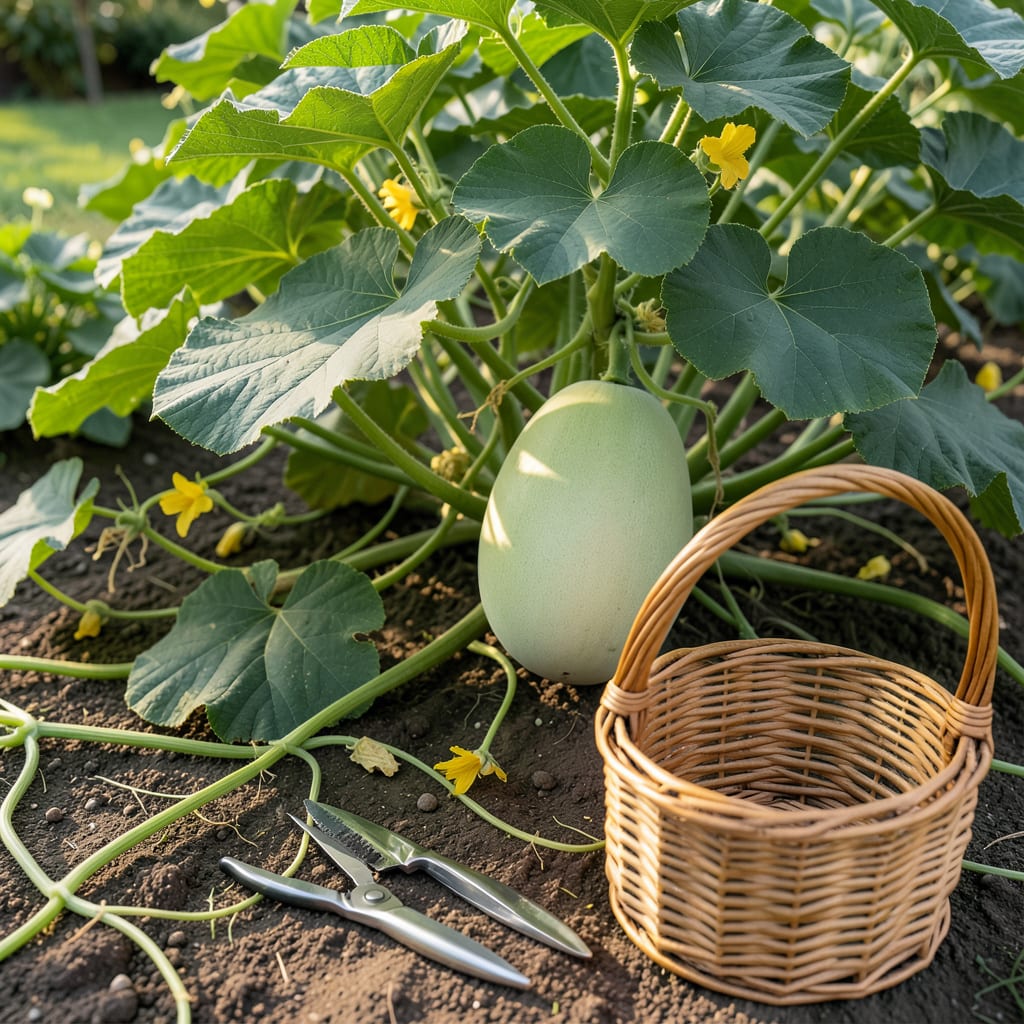
Knowing exactly when to pick 🍈 Honeydew can mean the difference between a bland, underripe melon and a sweet, juicy delight. Timing is everything with this finicky fruit.
I’ll show you the key visual and tactile signs to watch for, so you can harvest at peak ripeness. Let’s make sure your next Honeydew is perfectly ready to enjoy.


I always watch for color changes first when checking my honeydew melons. A ripe one shifts from bright green to a creamy yellow or off-white hue on the rind. This transformation signals the sugars are developing inside.
The stem end is another giveaway. When the stem cracks slightly near the melon, it’s entering the slip stage, a classic sign of ripeness. This happens as the fruit naturally separates from the vine.
| Ripeness Sign | What to Look For |
| Color Change | Rind turns creamy yellow |
| Stem Separation | Stem cracks near melon |
| Blossom End | Softens slightly when pressed |
| Aroma | Sweet smell at stem end |
The blossom end (opposite the stem) should give slightly when pressed with your thumb. If it’s hard as a rock, the melon isn’t ready. A little springiness means it’s perfect for picking.
Don’t overlook the aroma. A ripe honeydew emits a sweet, musky scent at the stem end. If you don’t smell anything, it likely needs more time on the vine.
I’ve found that morning harvests work best. The melons are cooler and firmer, making them easier to handle without bruising. Plus, the sugar content is highest after a cool night.
The rind texture also changes as it ripens. A mature honeydew develops a slightly rough or netted appearance on the surface, though this varies by variety. Smooth rinds often indicate immaturity.
Watch the tendrils near the stem. When they turn brown and dry, the melon is usually ready. This is a secondary sign, but it’s a good backup to the other indicators.
If you’re growing multiple melons, check them individually. Even on the same vine, ripening times can vary by a few days. I like to tag each one with its planting date to track progress.
Finally, remember that weather conditions affect ripening. Hot, dry spells can speed up the process, while cool, wet weather may delay it. Adjust your checks accordingly.
With these signs, you’ll never pick an underripe honeydew again 🌱
I rely on the tap test as my first method. A ripe honeydew produces a deep, hollow sound when tapped. If it sounds dull or solid, it needs more time on the vine.
The smell test works well too. Hold the melon near your nose and inhale deeply. A sweet, floral aroma at the stem end means it’s ready. No smell means it’s not ripe yet.
For the press test, apply gentle pressure to the blossom end with your thumb. It should yield slightly like a ripe avocado. If it’s rock hard, it’s not ready.
I avoid pressing too hard, as this can bruise the fruit. Just a light touch is all you need. Also, don’t use your fingertips—stick to the pad of your thumb for best results.
Another trick is checking the stem attachment. If the stem separates easily from the vine with a gentle tug, the melon is at its slip stage and ready to pick. This is a surefire sign.
Finally, observe the tendrils near the stem. When they turn brown and brittle, the melon is usually ripe. This works best when combined with other tests for confirmation.
With these methods, you’ll always harvest at the perfect time ☀️
Picking honeydew too early results in a hard, tasteless melon that lacks sweetness. The sugar content hasn’t fully developed, and the texture remains firm and bland.
If left on the vine too long, the melon may become mushy or overripe. The flesh can turn grainy, and the flavor may turn fermented or sour. Timing truly affects both taste and texture.
⚠️ Warning: Harvesting outside the optimal window can ruin your honeydew crop. Underripe melons won’t ripen further off the vine, and overripe ones spoil quickly.
An underripe honeydew may still be salvaged by letting it sit at room temperature for a few days. While it won’t ripen like some fruits, it may soften slightly and develop a bit more sweetness.
For overripe melons, I recommend using them quickly in smoothies or chilled soups where texture is less critical. Their intense sweetness can still be enjoyable in the right preparation.
To avoid these issues, check your melons daily as they approach ripeness. The window for perfect harvest is often just a few days. I mark my calendar for the expected harvest time based on planting date.
With careful timing, you’ll enjoy perfectly ripe honeydew every time 🌱
Watch for a creamy yellow rind color replacing the bright green. The stem should crack slightly near the melon, and the blossom end may soften. These visual cues signal peak ripeness.
A ripe honeydew emits a sweet, musky aroma at the stem end. If there’s no smell, it’s not ready. This test works best when combined with color and texture checks.
Pick in the early morning when melons are cool and firm. This preserves texture and maximizes sugar content after the cool night.
No, honeydew won’t ripen further off the vine. It may soften slightly at room temperature, but the sweetness won’t improve. Harvest when fully ripe for best flavor.
