
Beautiful Plants For Your Interior
Beautiful Plants For Your Interior
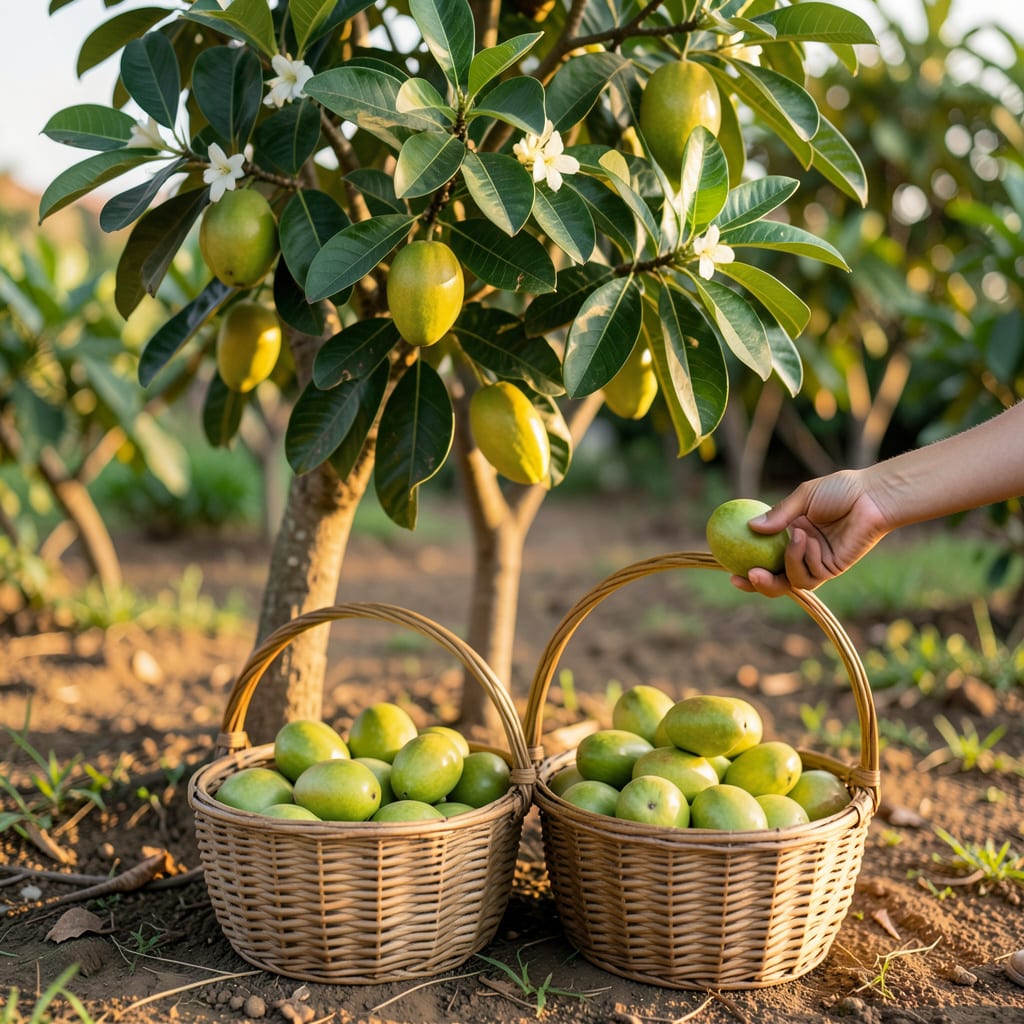
Knowing exactly when to pick guava fruit can mean the difference between a tart, underripe disappointment and a sweet, aromatic delight. Timing is everything for this tropical favorite, the 🍈 Guava.
I’ll show you the key signs to look for and how climate affects the perfect harvest moment. Let’s make sure your Guava is perfectly ripe every time.


I always tell gardeners that the perfect guava reveals itself through color changes. Watch for the skin to shift from deep green to a yellowish-green hue, especially near the stem. This is your first visual clue that the fruit is nearing ripeness.
The texture is another giveaway. A ripe guava will yield slightly to gentle pressure when squeezed, much like a soft avocado. If it feels rock-hard, it’s not ready yet.
| Sign | Description |
|---|---|
| Color Change | Green to yellow/green skin |
| Texture | Slightly soft to touch |
| Aroma | Strong sweet fragrance |
| Seed Color | Brown or black seeds |
Don’t overlook the aroma test. A ripe guava emits a strong sweet fragrance near the stem. If you can smell it from a foot away, it’s likely ready. This scent intensifies as the fruit matures.
For some varieties, check the internal color. Cut open a test fruit—the flesh should be pink or red for many types, though some remain white when ripe. The seeds should be dark brown or black, not white.
I’ve found that early morning is the best time to check for ripeness. The cooler temperatures make it easier to detect the subtle aromatic changes that signal a fruit is ready to pick.
Remember that size isn’t everything. While guavas typically reach 2-4 inches in diameter when mature, some smaller fruits can be ripe. Focus more on the color and texture than the size alone.
The stem area often ripens first. Look for a slight color change at the blossom end of the fruit. This is often the most accurate indicator for many guava varieties.
If you’re growing multiple trees, note that different varieties have slightly different ripening cues. Some tropical guavas turn completely yellow, while others maintain a greenish tint even when fully ripe.
Finally, trust your sense of touch. With experience, you’ll develop a feel for the perfect give that indicates ripeness. Practice makes perfect when it comes to harvesting guavas at their peak. 🌱
I’ve learned that guava harvest timing varies by climate zone. In tropical regions, you can expect fruit year-round, with peak seasons in late summer and early fall. Cooler areas may see a shorter window.
For subtropical climates, the main harvest typically runs from August to November. The temperature swings here can accelerate ripening, so check fruits frequently as they near maturity.
Watch how rainfall patterns affect your tree. Too much rain can dilute flavors and delay ripening, while drought stress might cause premature dropping. Aim for consistent moisture levels during fruit development.
If you’re in a marginal climate (Zone 9), consider container growing. This lets you move the plant to sheltered spots during cooler months, extending your harvest window by several weeks.
Microclimates matter too. A south-facing wall or urban heat island can create pockets of warmth where guavas ripen earlier. Observe your specific conditions and adjust picking times accordingly.
Finally, remember that variety selection plays a role. Some cultivars like ‘Ruby Supreme’ are bred for cooler tolerance, while tropical types may struggle outside Zone 10. Choose wisely for your area. 🌿
I see many gardeners harvest too early, lured by the first color change. Remember, a green guava turning slightly yellow isn’t always ripe. Always check the aroma and texture before picking.
Picking too late is another common error. Overripe guavas become mushy and mealy, losing their sweet flavor. The window between underripe and overripe can be just 2-3 days in warm weather.
Don’t ignore variety-specific cues. Some guavas stay green when ripe, while others turn bright yellow. Research your specific cultivar to avoid confusion.
Mishandling fruit leads to bruising. I recommend using two hands when picking—one to support the fruit, the other to gently detach it. This prevents unsightly bruises that shorten storage life.
Finally, watch for pest damage or disease signs before harvesting. A blemished guava may ripen unevenly. Check the stem area and skin for any abnormal spots or textures. 🌱
A ripe guava yields slightly to gentle pressure, like a soft avocado. If it feels rock-hard, it needs more time on the tree.
Some varieties stay green when ripe. Always check the aroma and texture rather than color alone. The stem area often ripens first.
Yes, but it will need to ripen off the tree. Pick when it starts changing color and finish ripening indoors at room temperature.
Overripe guavas become mushy and lose sweetness. In warm weather, the window between ripe and overripe can be just 2-3 days.
