
Beautiful Plants For Your Interior
Beautiful Plants For Your Interior
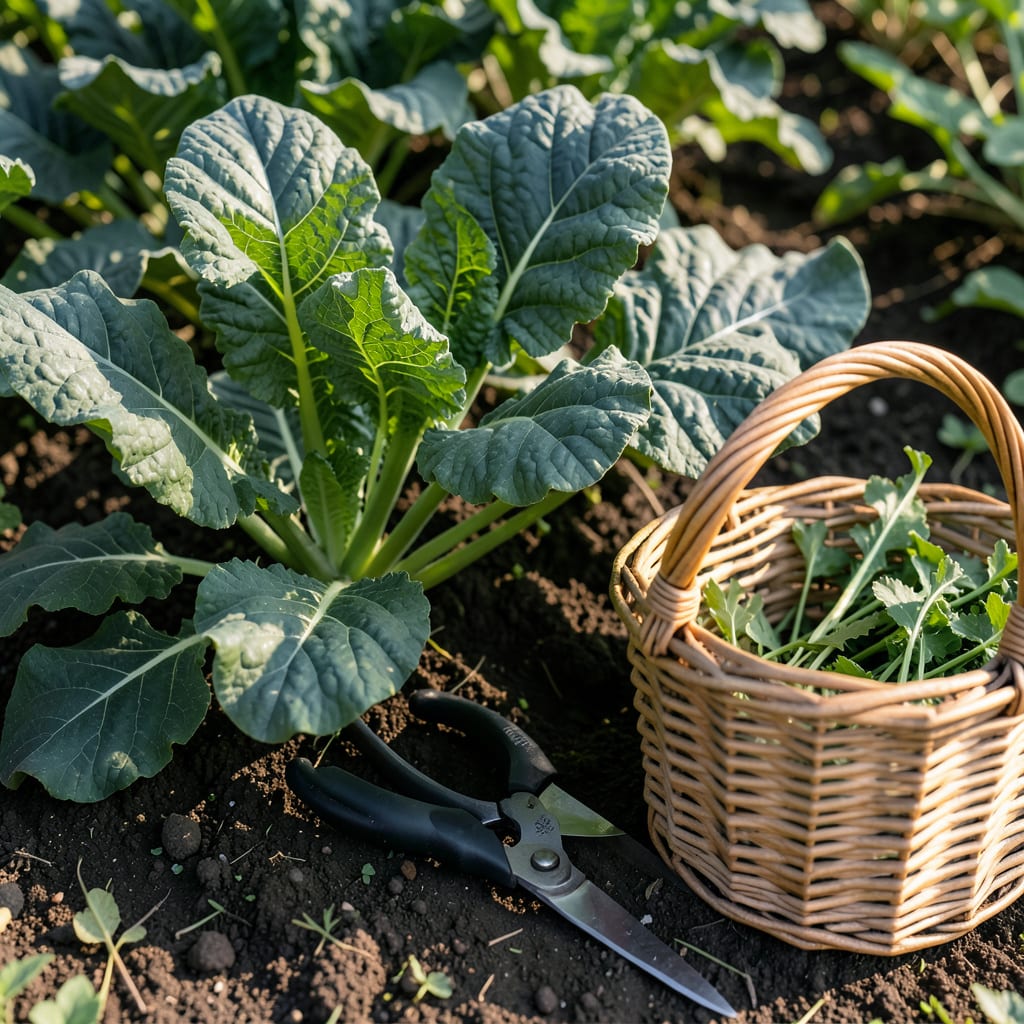
That moment when your 🥬 Greens are perfectly ready to pick is pure garden magic. But miss the window, and you could end up with bitter or tough leaves.
I’ll show you the key signs and seasons to harvest at just the right time, so every bite is fresh and flavorful. Let’s get started.


I always watch my leafy greens closely as they grow, because the right moment to harvest makes all the difference. Lettuce, kale, and spinach each show distinct signs when they’re ready for picking. 🌱
The most obvious indicator is leaf size. For most varieties, leaves should reach 4-6 inches in length before harvesting. But size isn’t the only factor – you’ll also want to check for firm texture and rich color. ☀️
| Variety | Leaf Size | Texture |
|---|---|---|
| Lettuce | 4-6 inches | Crisp, firm |
| Kale | 8-12 inches | Slightly leathery |
| Spinach | 3-5 inches | Tender, smooth |
*Harvest outer leaves first for continuous growth
For butterhead lettuce, I look for a tight head formation before picking. With romaine, the leaves should be upright and firm. I always check the color intensity – mature leaves have deeper, richer hues. 🌿
Another test I use is the stem snap test. Gently bend a stem near the base – if it snaps cleanly, the plant is ready. If it bends without breaking, it needs more time. This works especially well for collard greens and Swiss chard. ✂️
Don’t overlook the plant’s overall appearance. Healthy, ready-to-harvest greens should have vibrant color throughout, with no yellowing or wilting. The leaves should feel substantial when you gently squeeze them.
For baby greens, you can start harvesting when leaves are just 2-3 inches tall. These tender leaves are perfect for salad mixes and will regrow quickly if you only take a few leaves from each plant.
I’ve found that morning harvesting gives the best results. The leaves are most crisp and hydrated after a cool night. Avoid picking in the heat of the day when plants may be stressed.
Remember that regular harvesting encourages more growth. When you pick the outer leaves first, the plant can continue producing from the center. This method works particularly well with loose-leaf lettuce and spinach.
Finally, trust your sense of touch. Ready greens should feel firm and springy, not soft or mushy. If the leaves feel thick and leathery, you may have waited too long, especially with mature kale or collards. 🌻
I’ve found that timing your harvest can make a huge difference in both flavor and freshness. The best time of day to pick greens is in the early morning, just after the dew has dried. 🌿
This is when the leaves are most hydrated and crisp. Picking in the morning ensures your greens are at peak turgor pressure, meaning they’ll stay fresh longer after harvesting.
For maximum sweetness, pick your greens after a cool night but before the heat of the day sets in. This keeps leaves tender and flavorful.
Seasonally, spring greens like spinach and lettuce are best harvested in April through June. These plants thrive in cooler temperatures and can bolt in summer heat. ☀️
For fall harvests, I start picking in September and continue through November. Cool autumn weather often enhances flavor, especially for kale and collards, which can become sweeter after a light frost.
Always avoid harvesting during the hottest part of the day. Heat can cause leaves to wilt quickly and may stress the plants. If you must pick later, wait until evening when temperatures drop.
In my experience, greens picked in cool, overcast weather tend to last longer in storage. If a heatwave is coming, I’ll harvest a day early to protect the quality of my crop. 🌱
I see many gardeners unknowingly reduce their harvest quality by making simple mistakes. One of the most common is picking too early or too late. Both can lead to bitter leaves or tough textures. 🌱
Another frequent error is using dull harvesting tools. Clean, sharp scissors or pruners prevent plant damage and ensure clean cuts that heal quickly. Always sterilize tools between plants to prevent disease spread.
Never harvest when leaves are wet to prevent rot and disease. Always pick in dry conditions for best results.
Many gardeners also over-harvest from a single plant. Taking more than 30% of leaves at once can stress the plant and reduce regrowth. Instead, pick outer leaves first to encourage continuous production. ☀️
Improper handling after harvest is another issue. Avoid crushing leaves in your basket. I use a wide, shallow container to keep greens from getting bruised. Store them unwashed in the fridge for maximum freshness.
Finally, don’t ignore plant stress signs. If leaves look wilted or yellow, hold off on harvesting until the plant recovers. This is especially important during heatwaves or drought conditions. ✂️
Baby greens are ready when leaves reach 2-3 inches tall. They should look vibrant and feel tender to touch.
Morning harvested greens are most hydrated and crisp after cool nights. This maximizes freshness and shelf life.
Avoid picking in heat. Wait for evening or a cool day to prevent wilting and stress. Heat reduces quality.
Never remove more than 30% of leaves at once. Always pick outer leaves first to encourage regrowth.
