
Beautiful Plants For Your Interior
Beautiful Plants For Your Interior
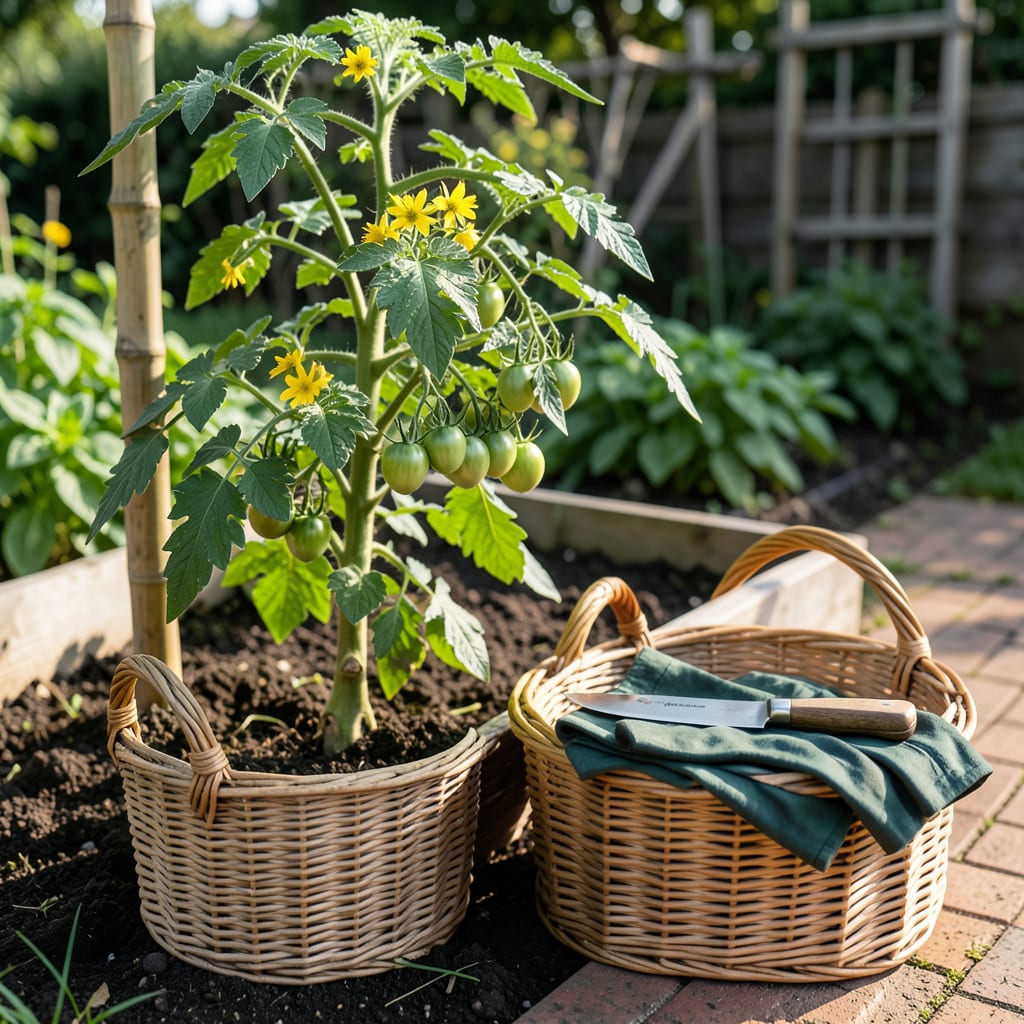
That first bite of crispy fried green tomatoes can make or break your dish—and it all starts in the garden. Picking them too early means a bitter, mushy mess, but wait too long and you lose that signature tangy crunch. I’ve learned the hard way that timing is everything when it comes to harvesting these perfect green gems.
After years of testing (and a few failed batches), I’ve nailed down the exact signs to look for—size, firmness, and even the subtle color shifts that separate a frying superstar from a flop. Whether you’re racing against frost or planning an early harvest, I’ll show you how to spot the ideal window for that restaurant-quality result every time.


Timing your harvest is the secret to fried green tomatoes that stay crispy outside and tangy inside. The key? Picking them at their mature green stage—not too young, not starting to ripen. I look for tomatoes that have reached their full size but still feel rock-hard when squeezed gently.
A deep emerald green color (not pale or yellow-tinged) signals they’ve developed enough pectin for that perfect texture. If the skin resists your thumbnail when pressed, you’ve hit the sweet spot. This stage usually arrives 60-75 days after planting, depending on your variety.
| Sign | Ideal for Frying | Avoid |
|---|---|---|
| Size | 4-5 inches long, full-grown | Under 3 inches (immature) |
| Firmness | Hard, resists thumb pressure | Soft or spongy |
| Color | Deep green, no yellow | Pale green or blotchy |
| Stem | Snaps cleanly when bent | Bends without breaking |
| Texture | Smooth, glossy skin | Dull or wrinkled |
*Test firmness daily once tomatoes reach full size—ripening accelerates in heat!
For varieties like ‘Evergreen’ or ‘Aunt Ruby’s German Green’, I check the shoulders (the area near the stem) first. If they’re still firm and uniformly green, you’re good. A slight white cast is normal, but any pink or orange means they’re past prime frying stage.
Here’s a pro trick: Gently twist the tomato—if it separates easily from the vine with the stem intact, it’s ready. If you have to tug hard, give it another day. Morning harvests work best because the fruit is firmest after cool nights, reducing bruising during picking.
Watch the weather forecast too. If a heatwave is coming, pick a day early—high temps can soften tomatoes overnight. Conversely, if frost threatens, harvest all mature greens immediately, even if they’re slightly underripe. They’ll still fry up better than frost-damaged fruit.
For end-of-season harvests, I prioritize larger tomatoes first, as they’ll ripen fastest off the vine. Smaller ones can be left longer or ripened indoors for other uses. Remember: Size matters more than shade—a slightly lighter green tomato is fine if it’s full-sized and firm.
If you’re growing heirloom varieties, note that some (like ‘Green Zebra’) stay green even when ripe. For these, rely on firmness and size rather than color. When in doubt, slice one open—the seeds should be gelatinous but not fully developed.
Post-harvest, store your green tomatoes in a cool, dark place (like a basement) if you’re not frying them immediately. Avoid refrigeration—it turns their flesh mealy. They’ll keep for 1-2 weeks this way, giving you flexibility for your frying plans.
Finally, if you’re saving seeds, pick the firmest, healthiest-looking tomatoes. Their seeds will produce plants with the same great frying qualities next season. Now that you’ve got the perfect harvest, your fried green tomatoes are destined for greatness! 🌱
Not all green tomatoes are created equal when it comes to frying. The difference between a perfectly crisp batch and a mushy one often comes down to recognizing the three key stages of green ripeness. I’ve ruined enough batches to know that color alone isn’t enough—you need to assess size, texture, and stem attachment together.
Underripe tomatoes (what I call the “too-early” stage) are small, pale, and feel almost rubbery. They lack the pectin development needed for that ideal crunch. On the flip side, overmature greens (starting to show yellow or pink) will turn soggy when fried. The goldilocks zone is that mature green stage—full-sized but still firm as an apple.
| Stage | Appearance | Texture | Frying Result | Action |
|---|---|---|---|---|
| Underripe | Pale green, small (<3") | Very hard, no give | Bitter, stays tough | Leave on vine 1-2 weeks |
| Ideal | Deep green, full size | Firm with slight give | Crispy, tangy perfection | Harvest immediately |
| Overripe | Green with yellow/pink | Soft, spongy | Mushy, falls apart | Use for relish instead |
*Check daily once tomatoes reach 3″ diameter—ripening accelerates in heat!
The “shoulder test” is my secret weapon. Run your thumb over the area near the stem—if it’s smooth and uniformly green, you’re in business. Any wrinkling or color change there means the tomato is past its frying prime. For heirlooms like ‘Green Zebra’, ignore the stripes and focus on firmness instead.
Here’s a mistake I see often: gardeners waiting for that “just before red” stage thinking it’ll be sweeter. Wrong! Those tomatoes have already started converting acids to sugars, which makes them too soft for frying. The ideal window is actually 5-7 days before they’d normally start ripening.
Weather plays a huge role too. After a heatwave, tomatoes can soften overnight—harvest immediately if temps exceed 90°F. Before a cold snap, pick all mature greens even if slightly underripe; they’ll still fry better than frost-bitten fruit. I keep a garden journal to track which varieties hold firmness best in my climate.
If you’re saving seeds, avoid the overripe greens—their seeds may produce soft-fruited plants. Instead, select the firmest, most uniform tomatoes from your harvest. And remember: when in doubt, pick earlier rather than later. You can always ripen green tomatoes indoors, but you can’t un-soften an overmature one! 🌱
After years of trial and error, I’ve learned that timing your harvest like a pro makes all the difference. The best fried green tomatoes start with a morning harvest—that’s when they’re firmest after cool nights. I always bring a sharp pair of pruners to avoid tearing the delicate skin.
Weather plays a huge role in your picking strategy. If temperatures are climbing above 90°F, I harvest my green tomatoes a day early—they soften quickly in heat. Before a frost warning, I pick all mature greens immediately, even if slightly underripe. They’ll still fry better than frost-damaged fruit.
Pick between 6-9 AM when tomatoes are most firm. The cooler temps overnight keep cell walls rigid, preventing bruising during handling.
Gently twist until the stem snaps—don’t pull! This preserves the calyx (stem cap) which helps prevent moisture loss during storage.
Separate tomatoes by size—larger ones (4-5″) fry best, while smaller ones (2-3″) are better for pickling or ripening indoors.
For heirloom varieties like ‘Aunt Ruby’s German Green’, I check the shoulder area daily once they reach full size. The moment that spot loses its deep green hue, it’s time to harvest. With cherry tomato varieties, I wait until they’re marble-sized but still firm—they make amazing fried bite-sized treats!
If you’re dealing with a heavy crop, harvest in stages. Pick the largest, firmest tomatoes first, leaving smaller ones to size up. This prevents overloading your kitchen and ensures you’re always working with the best-quality fruit. I keep a harvest log to track which plants produce the firmest tomatoes for future seasons.
Remember that storage conditions matter too. Keep your harvested green tomatoes in a single layer in a cool (55-60°F), dark place. Never stack them—the weight causes bruising. With these pro tips, you’ll be harvesting like a seasoned chef in no time! 🪴
Look for tomatoes that are full-sized (4-5 inches) with deep green color and firm texture. The skin should resist gentle thumb pressure, and the stem should snap cleanly when bent. Avoid pale green or soft tomatoes—they won’t fry well.
Pick in the early morning (6-9 AM) when tomatoes are firmest after cool nights. Evening harvests can yield softer fruit due to daytime heat. Always use clean pruners to avoid damaging the delicate skin.
Harvest immediately! Any yellowing means the tomato is overmature for frying and will turn mushy. These are better for relishes or salsas. For crispy results, stick to uniformly green, firm tomatoes.
Keep them in a single layer in a cool (55-60°F), dark place like a basement. Never refrigerate—it makes them mealy! They’ll stay firm for 1-2 weeks this way. Avoid stacking to prevent bruising.
Yes! Harvest all mature green tomatoes (full-sized and firm) before frost hits. Even slightly underripe ones will fry better than frost-damaged fruit. Smaller tomatoes can be ripened indoors for other uses.
