
Beautiful Plants For Your Interior
Beautiful Plants For Your Interior
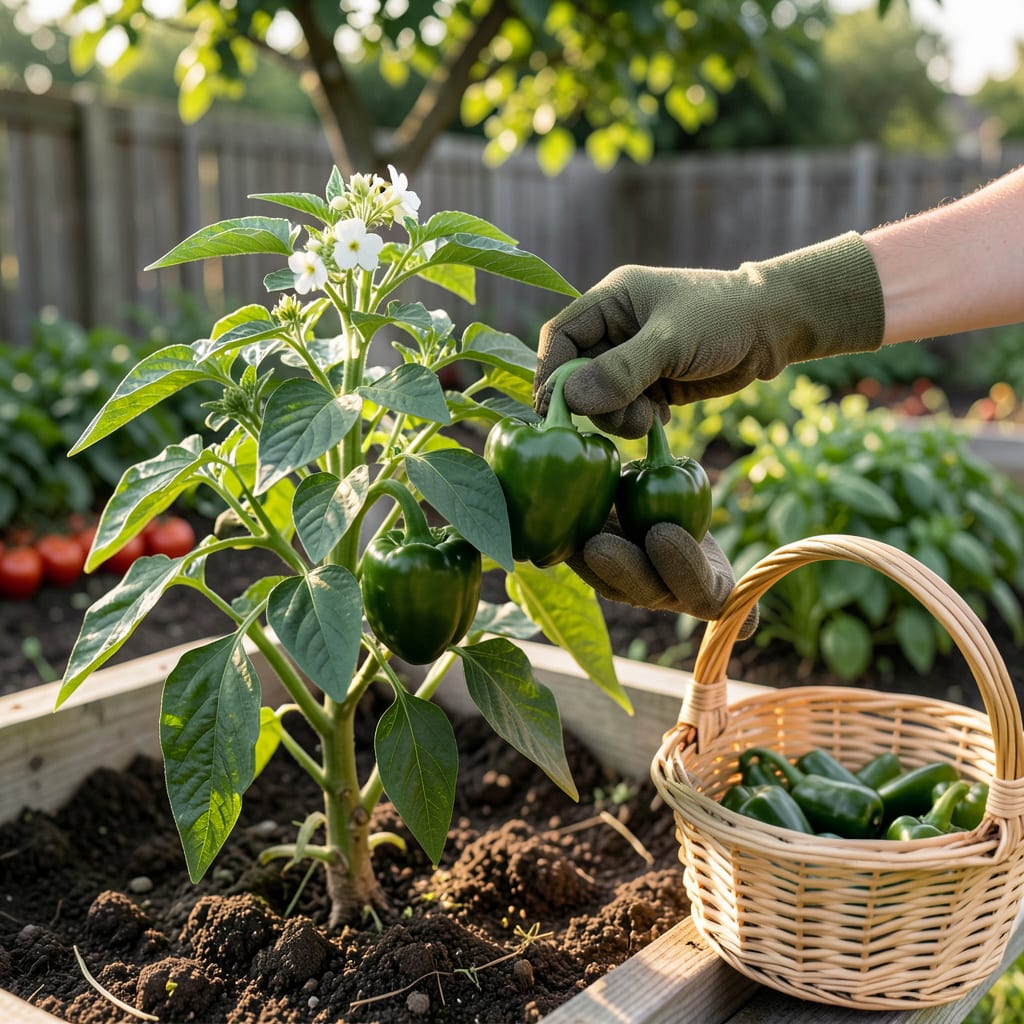
That moment when your 🫑 Green Bell Peppers finally look ready—but are they really? Picking too soon means missed flavor, while waiting too long risks tough, bitter peppers. The difference between a perfect harvest and a disappointing one comes down to three simple signs most gardeners overlook.
I’ve spent seasons testing the ideal timing, and what I learned will save you guesswork. Whether you’re growing in Zone 6a or a sunnier climate, we’ll cover the exact visual cues and timing tricks to guarantee crisp, sweet peppers every time. No more second-guessing—just perfect picks.


If you’ve ever stood in your garden wondering when to pick green bell peppers, you’re not alone. The perfect harvest window is a balance between size, color, and firmness. I always remind gardeners that peppers don’t ripen like tomatoes—they need to be picked at the right stage for that crisp, sweet flavor.
Green bell peppers typically reach maturity 60-90 days after planting, but don’t rely on the calendar alone. Instead, look for visual and tactile cues. A fully grown pepper should feel heavy in your hand and have a glossy sheen. If it’s still lightweight or dull, give it a few more days.
| Sign | Ready to Pick | Needs More Time |
|---|---|---|
| Size | 3-4 inches long ✅ | Smaller than 3 inches 🟢 |
| Color | Bright, uniform green 👍 | Pale or streaky green 🔍 |
| Firmness | Firm, resists thumb pressure 🔔 | Soft or spongy 📏 |
| Stem | Snaps cleanly when bent | Bends without snapping |
*Tip: Harvest in the early morning for best crispness and flavor.
The stem test is my favorite trick. Gently bend the pepper upward—if the stem snaps cleanly, it’s ready! If it bends without breaking, leave it for another 2-3 days. This simple test prevents premature picking, which can lead to bitter or underdeveloped peppers.
Don’t wait for peppers to turn red or yellow unless you planted those varieties. Green bell peppers are actually unripe versions of colored peppers, and they’ll stay green if harvested at the right time. If left too long, they may develop a bitter taste or attract pests.
Check your peppers every 2-3 days once they near maturity. Hot weather can speed up ripening, while cooler temps may slow it down. I’ve found that peppers in full sun (6+ hours daily) often mature faster than those in partial shade, so adjust your timeline accordingly.
Use clean, sharp pruners to cut peppers from the plant, leaving a ½-inch stem attached. Avoid twisting or pulling, which can damage the plant and reduce future yields. If you notice small cracks or wrinkles, harvest immediately—these are signs of overripeness.
For a continuous harvest, pick peppers as soon as they’re ready. This encourages the plant to produce more fruit. In my garden, I’ve seen plants yield 2-3 times more peppers when harvested promptly versus letting them linger on the vine.
If you’re growing other varieties like red or yellow bells, note that they’ll take longer to mature—often 2-3 weeks more than green peppers. These varieties are simply green peppers allowed to fully ripen, so their harvest signs (size, firmness) are similar, but the color changes.
Finally, store freshly picked peppers in the fridge for up to 10 days, or freeze them for longer storage. Avoid washing them until ready to use, as moisture can speed up spoilage. With these tips, you’ll enjoy crisp, flavorful peppers all season long! 🌱
When you pick your green bell peppers can dramatically change their taste and how many more your plant produces. I’ve found that peppers harvested too early often taste bitter or grassy, while those left too long may turn soft. The sweet spot is when they’re firm, glossy, and full-sized—usually 60-70 days after planting.
Timing also impacts your plant’s productivity. If you harvest peppers while they’re still small, the plant may focus on producing more fruit to compensate. But wait too long, and the plant shifts energy to seed production instead of new peppers. I aim for a balanced approach: pick mature peppers regularly to encourage steady growth.
If you’re growing peppers for maximum sweetness, wait until they reach full size but are still bright green. I’ve noticed that peppers picked in the early morning tend to stay crisper longer. This is because they’re fully hydrated from overnight moisture, which helps preserve their texture after picking.
For those who love experimenting, try letting a few peppers stay on the plant longer. They’ll eventually turn red, yellow, or orange, developing a sweeter, fruitier flavor. However, this does signal the plant to slow down production. I recommend leaving only 1-2 peppers per plant to mature fully while harvesting the rest green.
Climate plays a role too. In hotter regions, peppers may mature faster but can become pithy if left too long. In cooler areas, they might need the full 90 days to reach ideal size. I always check my peppers’ firmness and glossiness as the best indicators, regardless of the calendar.
Finally, don’t forget that how you harvest matters as much as when. Use clean, sharp pruning shears to avoid damaging the stem, which can invite disease. A gentle twist-and-pull method works too if the pepper releases easily. This way, your plant stays healthy and keeps producing all season long. 🌱
Even experienced gardeners sometimes mess up the harvest. The most common mistake I see? Picking peppers too early because they look “big enough.” But size alone doesn’t guarantee readiness—you need that glossy skin and firm texture too. 🌱
Another frequent error is using dull tools or yanking peppers off by hand. This damages both the fruit and plant, inviting pests and reducing future yields. Always use clean pruners and make a precise cut just above the pepper’s cap.
Pro Tip: Mark your calendar 60 days after planting—this is when daily checks should begin.
The third mistake is overhandling peppers during inspection. Each squeeze or poke creates micro-damage that speeds up spoilage. Instead, visually assess color and size first, then gently test firmness with one finger.
I’ve also noticed gardeners forget that weather impacts harvest timing. During heatwaves, peppers may mature 5-7 days faster, while cool spells can delay ripening. Adjust your checks accordingly—when temps rise above 85°F, inspect peppers daily.
Finally, don’t overlook post-harvest care. Peppers left in direct sun after picking lose crispness quickly. I immediately place mine in a shaded basket and move them indoors within 30 minutes. This simple step preserves texture and extends shelf life by 3-5 days. ✂️
Most varieties reach maturity in 60-90 days after planting. In warmer climates, they may be ready closer to 60 days, while cooler regions might need the full 90 days. Always check visual cues rather than relying solely on the calendar.
You can, but they won’t have developed their full flavor. Peppers under 3 inches tend to taste milder and less sweet. If you must harvest early, use them in cooked dishes where their flavor will blend with other ingredients.
Early morning is ideal, when temperatures are cool and plants are fully hydrated. Peppers picked during midday heat may wilt faster. I always bring a basket and harvest before 10 AM for the best results.
All bell peppers start green and will eventually turn red, yellow, or orange if left on the plant. Green peppers are simply the unripe stage. If you want colored peppers, leave them on the plant 2-3 weeks longer than you would for green harvest.
Watch for wrinkled skin, soft spots, or a stem that cracks easily. Overripe peppers may develop bitter flavors and attract pests. If you notice these signs, harvest immediately—even if you plan to use them within 24 hours.
