
Beautiful Plants For Your Interior
Beautiful Plants For Your Interior
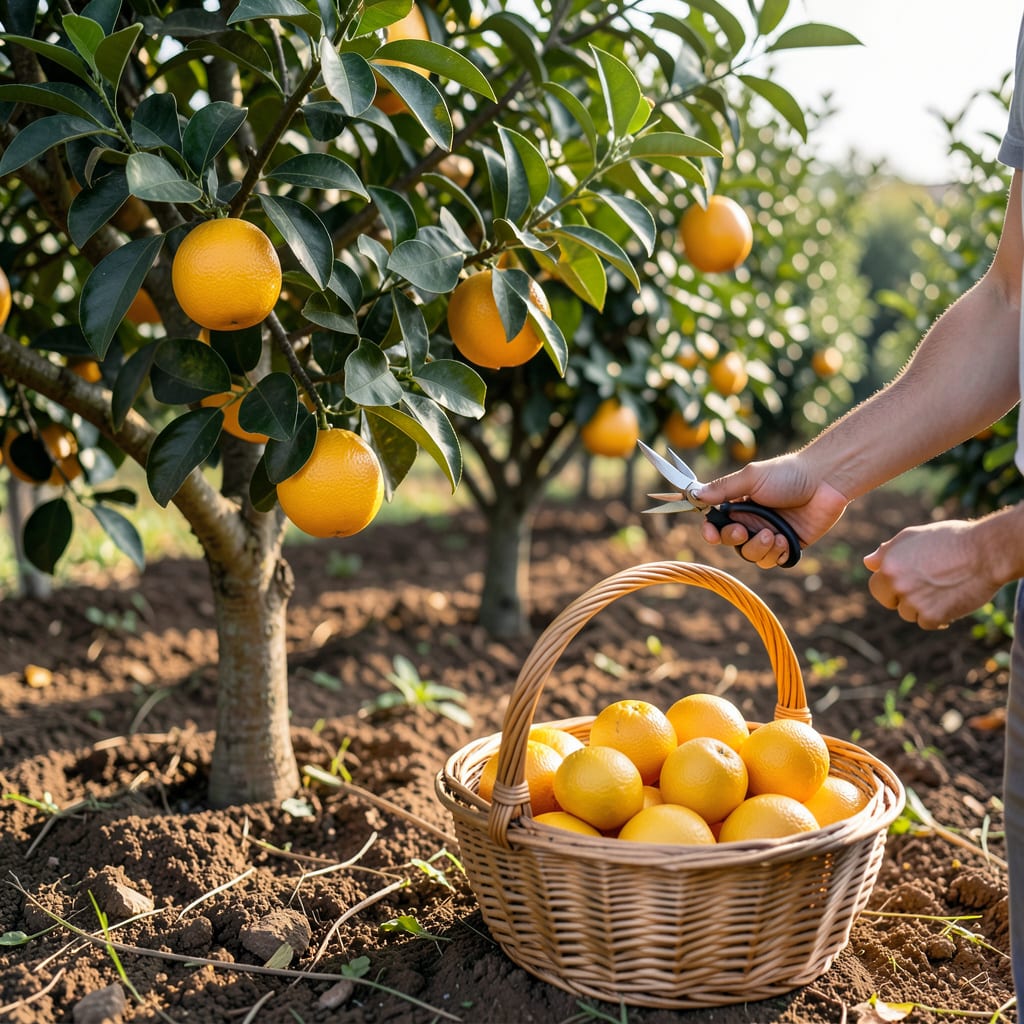
Nothing beats the taste of a perfectly ripe 🍊 Grapefruit picked at its peak. But how do you know when it’s ready?
I’ll show you the exact signs to look for—color shifts, weight, and texture—that guarantee sweet, juicy fruit every time. Let’s make your harvest the best yet.


Timing your grapefruit harvest perfectly means watching for color changes first. Most varieties transition from green to yellow, but pink and red types develop deeper hues as they ripen.
I always check the skin tone in full sunlight for the truest indication. A fully colored fruit signals it’s nearing peak sweetness, though some varieties retain green patches even when ripe.
| Variety | Color When Ripe | Texture Clues |
|---|---|---|
| White | Pale to golden yellow | Slightly soft, heavy |
| Pink | Blush pink to red | Firm with slight give |
| Red | Deep red or ruby | Very heavy, aromatic |
The weight test is my go-to method. A ripe grapefruit feels surprisingly heavy for its size, indicating high juice content. Compare similar-sized fruits to spot the heaviest ones.
Don’t ignore the aroma factor. Ripe grapefruit emits a strong citrus scent even before you cut it open. If it smells fresh and vibrant, it’s likely ready for picking.
For tactile confirmation, gently squeeze the fruit. A ripe grapefruit will have a slight give when pressed, but it shouldn’t feel mushy or too soft.
Remember that size matters too. Most varieties reach 4-6 inches in diameter when mature. Anything smaller likely needs more time on the tree.
I’ve found that morning harvesting yields the juiciest results. The fruit is most hydrated after a cool night, which enhances both flavor and texture.
If you’re still unsure, try the taste test on one fruit. Cut it open and check the segment development. They should be plump and juicy, not dry or underdeveloped.
Lastly, consider the seasonal timing. In most regions, grapefruit ripens between October and June, but this can vary based on your specific climate zone.
With these visual and tactile cues, you’ll never pick an underripe grapefruit again. Trust your senses, and your harvest will reward you with perfect sweetness every time 🌿
Knowing your climate zone is key to timing your grapefruit harvest. In Florida, the season typically runs from October to June, with peak sweetness in winter months.
Texas and Arizona follow a similar window but may start slightly later due to cooler nights. California’s mild climate allows for an extended season, often beginning in early fall and lasting through spring.
| Region | Peak Harvest | Climate Notes |
|---|---|---|
| Florida | Nov–May | Warm, humid winters |
| Texas | Dec–Apr | Cooler nights delay ripening |
| California | Oct–June | Mild, extended season |
Local weather patterns can shift these windows. A late frost might delay ripening, while heatwaves can accelerate it. Always cross-check with visual cues like color and weight.
Commercial groves often harvest earlier than home gardens because they prioritize shelf life over peak ripeness. As a home grower, you can wait for full maturity for the best flavor.
In USDA Zones 9-11, grapefruit trees thrive year-round, but fruit quality peaks during cooler months. If you’re in a borderline zone, protect trees from frost to ensure a full harvest.
I’ve noticed that coastal areas with marine influence tend to have a longer harvest window. The moderate temperatures allow fruit to ripen slowly, enhancing sweetness over time 🌿
Picking grapefruit too early is the most common mistake I see. Underripe fruit tastes bitter and dry, with undeveloped segments. Always wait for the full color change before harvesting.
On the other hand, leaving fruit on the tree too long can lead to a pithy texture and reduced juice. Check for the slight give when pressed to avoid over-ripening.
Picking green fruit means bitter taste. Waiting too long causes dryness. Always check weight and aroma before harvesting.
Ignoring the Brix levels is another pitfall. For home growers, this means testing sweetness with a refractometer if available, but the weight and color tests work nearly as well.
Many gardeners forget that morning harvesting yields the best flavor. The fruit is most hydrated after a cool night, so avoid picking in the heat of the day for peak taste.
Finally, don’t assume all fruit on the tree ripens at the same time. Check each grapefruit individually for color, weight, and aroma before picking. This ensures every piece is at its sweetest 🌿
Look for a full, rich color—yellow, pink, or red depending on variety. It should feel heavy for its size and have a slight give when gently squeezed. A strong citrus aroma is another great sign.
Yes! Pick in the morning when the fruit is most hydrated after a cool night. This ensures the best flavor and juice content. Avoid harvesting during the hottest part of the day.
No, green skin usually means it’s not ripe. Underripe grapefruit tastes bitter and dry. Wait for the full color change to yellow, pink, or red, depending on the variety.
This could happen if it was picked too early or left on the tree too long. Overripe fruit develops a pithy texture. Always check for weight, color, and aroma before picking.
