
Beautiful Plants For Your Interior
Beautiful Plants For Your Interior
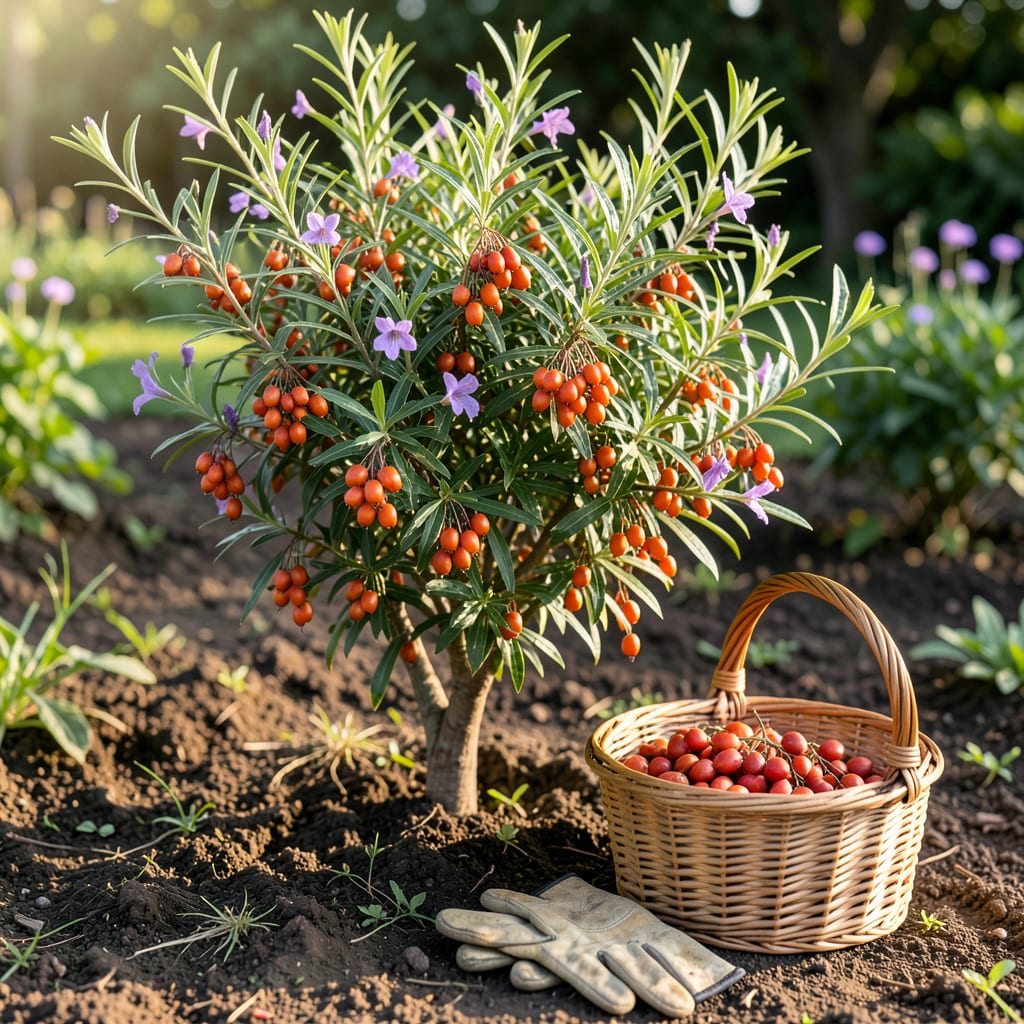
Timing your goji berry harvest can be the difference between a lackluster yield and a sweet, vibrant crop. The 🍇 Goji Berry reveals its readiness through subtle, unmistakable signs.
I’ll show you how to spot these cues and confirm your shrub is ready for picking. With these insights, you’ll never question when to harvest again.


Harvesting goji berries at the perfect moment ensures the sweetest flavor and highest nutritional value. The most obvious sign is the color change from green to a vibrant orange-red hue. This transformation typically occurs in late summer to early fall, depending on your climate.
I always check for uniform ripening across the cluster. If most berries in a group have turned that deep red, it’s a good indicator they’re ready. The texture should be slightly soft to the touch, not hard or mushy. ✂️
🌱 Goji Berry Ripeness Indicators
| Sign | Description |
|---|---|
| Color | Bright orange-red |
| Texture | Slightly soft to touch |
| Ease of Picking | Comes off easily |
| Aroma | Sweet scent |
Another reliable test is the gentle squeeze. Ripe goji berries yield slightly under light pressure, much like a ripe grape. If they’re still firm and green, they need more time on the vine. I recommend checking a few berries daily as the season progresses.
Pay attention to how the berries detach from the vine. Ready goji berries should pull away easily with a light tug. If you have to yank or they resist, they’re not quite there yet. This is one of the most reliable signs of true ripeness.
The sweet aroma is another giveaway. As goji berries ripen, they emit a light, fruity fragrance that’s hard to miss when you’re close to the shrub. If you catch a whiff of that sweetness, it’s harvest time. 🌿
I’ve found that wildlife interest can be a good indicator too. Birds and squirrels often start eyeing the berries just as they reach peak ripeness. If you notice animals lurking near your goji shrub, it’s a sign to start picking before they beat you to it.
Avoid the mistake of waiting for all berries to ripen at once. Goji berries often mature at different rates, even on the same plant. I harvest the ripe ones first and return every 2-3 days to check for new candidates. This staggered approach ensures you don’t miss any.
Finally, remember that early morning is the best time to pick. The berries are at their freshest after the cool night air, and the sugars are most concentrated. Plus, the plants are less stressed, making the whole process easier on both you and the shrub. ☀️
By combining these visual, tactile, and olfactory cues, you’ll never have to guess when to pick goji berries again. The key is consistent observation and a little patience. Your taste buds will thank you for the effort.
Timing your goji berry harvest depends heavily on your climate zone. In warm regions like the Southwest, berries may ripen as early as July, while cooler areas often see harvests in late August to September. ☀️
For temperate zones (USDA 5-7), the peak window is typically mid-August through early October. I’ve noticed that unseasonal warmth can accelerate ripening, so keep a close eye during heat waves. 🌡️
🌱 Regional Harvest Windows
In cooler climates (USDA 8-9), late-season varieties often produce until the first frost. I recommend harvesting before temperatures drop below 32°F to prevent damage. Frost-hardy goji can tolerate light chills, but berries won’t ripen further once cold sets in. 🌿
Local weather patterns can shift timelines dramatically. A wet spring may delay flowering, pushing harvests later. Conversely, drought conditions can speed up ripening but may reduce berry size. I always adjust my harvest schedule based on the season’s quirks.
For container-grown goji, expect a slightly earlier harvest since pots warm up faster. I’ve found that potted plants in full sun often ripen 1-2 weeks sooner than in-ground shrubs. Just ensure they’re getting consistent water to avoid stress.
No matter your region, the best practice is to start checking for ripeness in late summer and monitor closely. The combination of color, texture, and ease of detachment will confirm when it’s time to pick. ✂️
The taste test is my go-to method for confirming goji berry ripeness. Simply sample a few berries from different clusters. A sweet flavor with no tartness means they’re ready. If they’re still sour or bitter, wait a few more days. 🌱
I also use the gentle squeeze test. Ripe goji berries give slightly under light pressure, similar to a ripe tomato. If they feel hard as a marble, they need more time to mature on the vine.
🌱 Pro Tip: The Wildlife Test
If birds or squirrels start eyeing your goji berries, they’re likely ripe. Harvest promptly to beat them to the prize!
Another reliable check is the aroma test. Ripe goji berries release a sweet, fruity scent when gently rubbed between your fingers. If there’s no fragrance, they’re not quite ready for picking. I often do this test in the early morning for the strongest results. ☀️
For the most accurate assessment, I combine all three tests. The taste, touch, and smell together give me confidence that my berries are at their peak. This method works better than relying on color alone, especially for first-time growers.
Remember that goji berries ripen at different rates, even on the same plant. I check my shrub every 2-3 days during harvest season. This way, I never miss the perfect window for each cluster. ✂️
Overripe berries turn deep purple-red and feel mushy. They may also wrinkle or drop from the vine on their own. Harvest before this stage for best flavor.
Yes, harvesting before heavy rain prevents splitting and diluting the sweetness. Aim for early morning after dew dries for optimal results.
No, they won’t ripen properly off the vine. Only harvest when they’re bright red and slightly soft to ensure full sweetness and nutrition.
Inspect every 2-3 days as berries ripen at different rates. This prevents missing the perfect window for each cluster.
